

A vessel fire reported near Kumzar has turned Hormuz from a reduced-transit chokepoint into a live casualty and routing-control problem.
LNG movement through the Strait is now visibly stalled while energy cargo waits inside the Gulf.
1. Kumzar Fire Becomes Today’s Fresh Hormuz Signal
• UKMTO received a report that a vessel was on fire 8 nautical miles northwest of Kumzar, Oman.
• The cause of the fire has not been verified, and no vessel name, flag, cargo, casualty or pollution status has been confirmed at publication time.
• Vessels in the area have been advised to transit with caution and report suspicious activity while authorities investigate.
• Operators should treat the incident as an active security-adjacent casualty until the source of fire, vessel condition and navigational impact are confirmed.
2. Hormuz Crossings Collapse as LNG Passage Stops
• LSEG data showed only four vessels crossed the Strait of Hormuz on Sunday, down from eight on Saturday.
• The visible crossing count covers container ships, bulkers, vehicle carriers and tankers carrying oil, gas and chemicals.
• No LNG tanker has been visible passing through the Strait since Thursday, although some vessels may be operating with AIS transmissions reduced or switched off.
• S&P Global vessel-tracking data showed the 10-day moving average of laden LNG transits had fallen to 0.2 cargoes per day by July 15, down from roughly 0.8 cargoes per day in late June.
• Seven laden Qatari LNG carriers were estimated to be holding about 0.57 million metric tons of LNG inside the Gulf by mid-July.
3. Commercial / Market / Insurance Impact
• Brent crude moved above USD 90 per barrel on Monday as U.S.-Iran hostilities continued to restrict energy shipments through Hormuz.
• Tanker, LNG and cargo desks should treat visible transit data as incomplete because AIS suppression, naval routing and port-call uncertainty now distort the operating picture.
• Charterers should review war-risk clauses, deviation authority, unsafe-port language, off-hire exposure, force majeure wording and laycan risk before issuing Gulf-linked voyage instructions.
• Owners and managers should require written voyage authority before entering the Strait, especially where cargo, ownership, insurance, flag or destination could trigger coastal-state challenge or naval intervention.
4. Black Sea Energy Route Hit: CPC Loadings Suspended After Tanker Attacks
• The Caspian Pipeline Consortium suspended oil loadings at its Black Sea terminal after two tankers were attacked during loading operations.
• CPC identified the vessels as ASIA and NISSOS IOS.
• ASIA caught fire, but the fire was extinguished; CPC reported no casualties, no oil spill and both vessels remaining afloat.
• The strike adds a second energy-route disruption to the day’s operating picture, with Hormuz restricting Gulf flows while the Black Sea incident affects a major Kazakh crude export outlet through Novorossiysk.
Strategic Summary & Actions Required
• Masters approaching Hormuz should verify latest UKMTO advisories, confirm company transit authority, maintain enhanced lookout, preserve VHF/AIS/ECDIS records and avoid treating the Kumzar fire as a confirmed attack until verification improves.
• Ship managers should require written approval for Gulf entry, crew-risk acceptance, security posture, emergency response, fire-control readiness, AIS policy and post-incident reporting before committing vessels to the Strait.
• Charterers and operators should price Hormuz delay, LNG floating storage, AIS uncertainty and possible deviation into voyage economics before accepting firm laycan, delivery-window or performance commitments.
• Insurance, legal and compliance teams should align war-risk cover, sanctions screening, unsafe-port arguments, force majeure notices and documentation control before issuing or accepting Gulf-linked orders.
• Tanker desks should watch the CPC suspension separately from Hormuz because the Black Sea attack creates a second energy-export pressure point with different routing, terminal and charterparty consequences.
Operational Status
CRITICAL RED — Hormuz Vessel Fire / LNG Transit Halt / Reduced Strait Crossings / Black Sea Energy-Route Attack / Voyage, Insurance and Charterparty Control Required
Latest DeepDraft Analysis
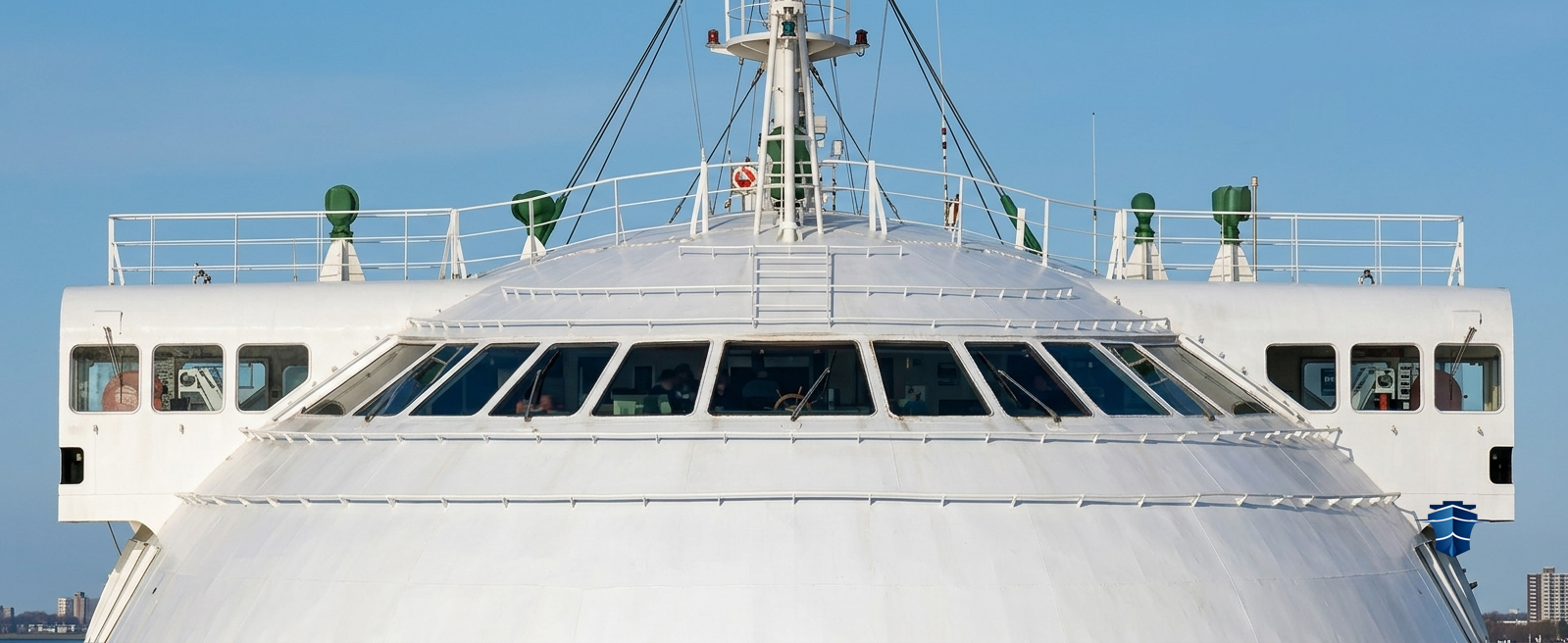
When Bridge Windows Look the Wrong Way
City of Rotterdam’s off-axis bridge-window case shows how visual reference can be corrupted by design, turning bridge geometry into pilotage, VTS and SMS risk.
Related DeepDraft Articles & Analysis
Sources
Reuters, UKMTO, Associated Press, Caspian Pipeline Consortium, The DeepDraft
This update is part of the DeepDraft SITREP series covering developing maritime operational situations.


Leave a Reply