

Hormuz is open, but no longer routine.
The day’s operating change is controlled passage under drone, mine, sanctions and route-authority pressure.
1. Hormuz Threat Raised to SUBSTANTIAL
• JMIC / UKMTO raised the Strait of Hormuz maritime security threat level to SUBSTANTIAL after attacks on commercial vessels near the Strait.
• The advisory warned mariners of mine danger in the area and said naval forces are expected to operate as mine-clearance activity continues.
• The operating picture is now controlled transit, not normal passage: vessels may still cross, but route selection, VHF coordination, company approval and evidence preservation now carry direct command significance.
• Masters should treat Strait orders, naval instructions, coastal-state communications and any deviation from planned routing as records requiring immediate shore-side escalation.
2. Drone Escalation Turns Route Choice Into a Security Trigger
• M/V EVER LOVELY remains the reference incident, but the fresh operational change is the wider drone and threat-level escalation now attached to Hormuz routing.
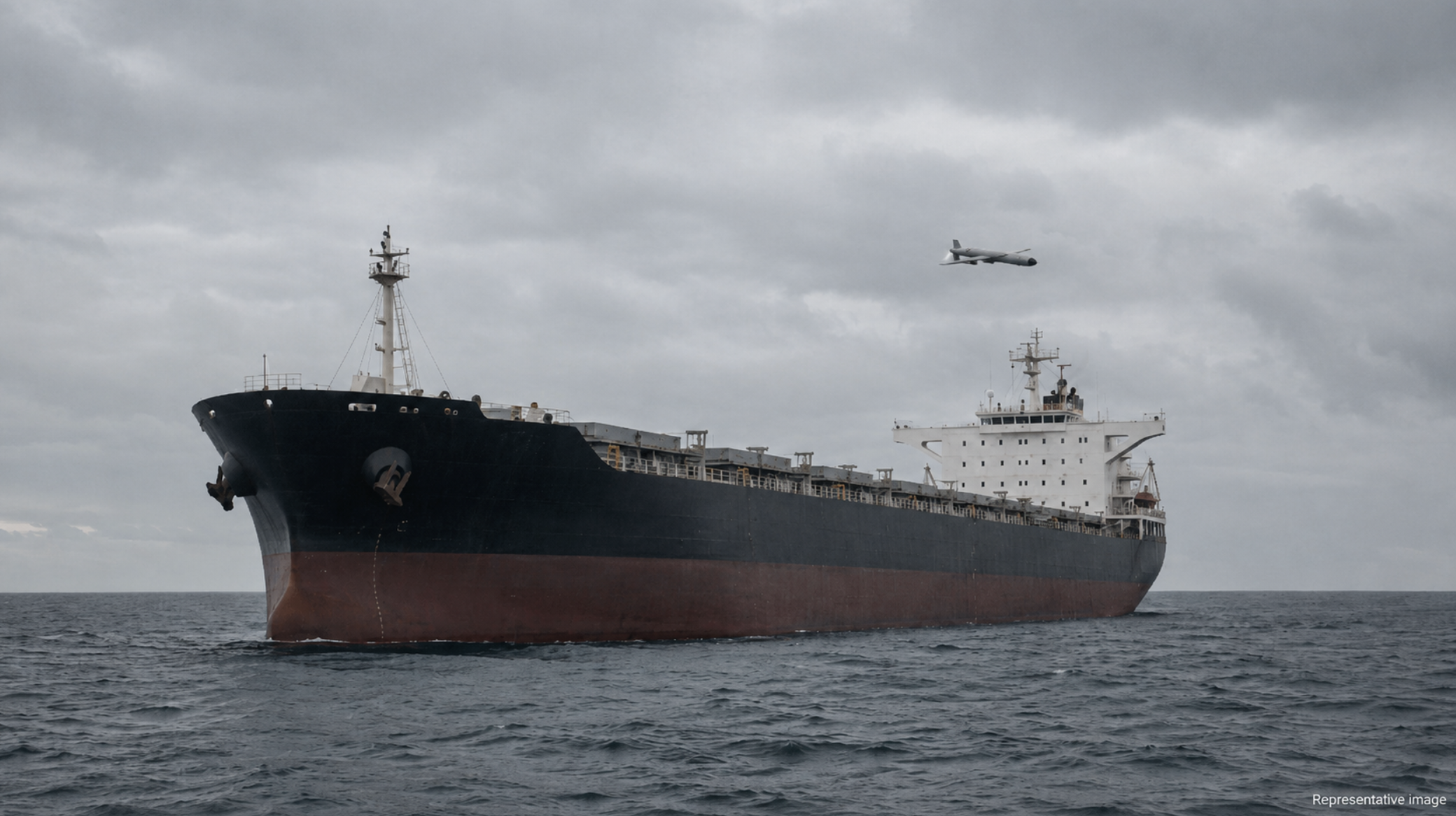
• President Trump said Iran fired at least four one-way attack drones at ships transiting Hormuz, with U.S. forces knocking down three before one struck EVER LOVELY.
• CENTCOM separately confirmed the EVER LOVELY strike and a later one-way drone attack on M/T KIKU, followed by U.S. strikes on Iranian drone, radar, surveillance, communications, air-defence and minelayer capabilities.
• Iran-linked route warnings, U.S.-facilitated passage and Omani-corridor use now create a direct compliance problem for Masters: the safest physical route may not be treated as the safest political or enforcement route by all parties.
Reading this as a maritime insider, seafarer, or enthusiast?
Subscribe to The DeepDraft for maritime analysis, daily SITREP updates, weekly briefings, and operational signals worth watching.
3. Iran General License X Creates a 60-Day Oil and Payment Window
• OFAC issued Iran General License X authorizing the production, delivery and sale of Iranian-origin crude oil, petrochemical products and petroleum products through August 21, 2026.
• Reuters reports the temporary authorization also covers associated services including banking, insurance and transportation, with payment permitted in U.S. dollar-denominated funds.
• The license creates a short commercial window for Iranian crude and product movements, but it does not remove voyage-level screening, sanctions-clause review, counterparty checks, P&I scrutiny or Master-level documentation exposure.
• Charterers and operators should not treat the license as blanket clearance; cargo origin, receiver, banking chain, vessel history, flag validity, AIS record and insurance position still need transaction-specific review.
4. Container-Loss Reporting Adds a Live Compliance Layer
• Mandatory reporting of containers lost at sea or observed drifting is now part of the 2026 SOLAS compliance environment.
• The World Shipping Council’s 2026 container-loss report estimates 1,478 containers lost at sea in 2025 out of about 280 million transported, equal to about 0.0005% of global container movements.
• The low percentage does not reduce reporting exposure: Masters must notify nearby coastal states, flag states and other required parties without delay when boxes are lost or sighted adrift.
• Extreme rerouting, heavy-weather passages and Cape diversion pressure make container-securing records, lashing checks, deck inspections and post-heavy-weather reports part of defensible compliance.
Strategic Summary & Actions Required
• Masters transiting Hormuz should obtain written company authority before passage, preserve VHF, AIS, ECDIS, VDR and route-order records, and escalate any coastal-state or naval instruction immediately.
• Ship managers and DPA/CSO teams should treat Hormuz as a controlled-transit risk zone requiring route approval, mine-risk review, war-risk confirmation, emergency communications testing and documented bridge guidance.
• Charterers and operators using Iran General License X should verify cargo eligibility, banking chain, insurance cover, sanctions clauses, counterparty exposure and load / discharge documentation before fixing or issuing voyage orders.
• Insurers, legal teams and compliance desks should separate lawful commercial authorization from navigational safety: a licensed cargo does not remove drone, mine, route-authority or Master-record exposure.
• Container operators should refresh SOLAS lost-container reporting procedures, ensure Masters know coastal-state notification triggers, and preserve lashing, stowage and weather evidence after heavy-weather or diverted passages.
Operational Status
CRITICAL RED — Hormuz SUBSTANTIAL Threat / Drone and Mine Risk / Controlled Transit / Iran Oil License and Master-Level Compliance Exposure
Latest DeepDraft Analysis
The Shadow Fleet’s Human Firewall
https://thedeepdraft.com/2026/06/22/the-shadow-fleets-human-firewall/
Sanctions enforcement is moving from vessel files to bridge-level accountability, making Masters, managers and operators part of the enforcement chain when cargo, ownership or AIS history fails scrutiny.
Related DeepDraft Articles & Analysis
Sources
JMIC / UKMTO, CENTCOM, Reuters, OFAC, World Shipping Council
This update is part of the DeepDraft SITREP series covering developing maritime operational situations.

Leave a Reply