
Hormuz has not returned to normal operating confidence, and Black Sea risk is now moving into commercial booking decisions.
Mine-clearance claims, corridor talks and partial traffic movement did not restore the commercial baseline. Tanker incidents continue inside the Strait risk envelope, while attacks around Ukraine’s port system, a merchant vessel loss in Romania’s exclusive economic zone, and reported booking restrictions are pushing war-zone exposure into routing, insurance and schedule files.
At the same time, freight pressure is building around constrained canal options, sustainability projects are moving from concept into vessel design, and maritime training initiatives are trying to close the human-capability gap behind the operational risk.
For masters, ship managers, charterers, insurers and compliance desks, the week’s signal is straightforward: passage may still be technically possible, but voyage authority, evidence, crew safety, sanctions exposure, cost escalation and crew competence now need to be checked before the ship commits.
That same test sits behind this week’s DeepDraft analysis. A control that looks correct on a checklist is not automatically a control that works in an emergency.
Weekly Analysis
This week’s flagship DeepDraft analysis is Fire Wires on Tankers: The Safety Control That Became the Hazard.
The article examines whether Emergency Towing-Off Pennants still provide real emergency value at tanker berths, or whether they have become a routine compliance task with their own handling risks. The operational point is simple: a visible safety control is only useful if it can work under pressure.
For masters, tanker operators, terminals, vetting teams and insurers, the question is not whether a fire wire has been rigged. It is whether the berth emergency system can actually respond through tug availability, emergency release, firefighting, communications, mooring control and drill evidence.
This Week in Maritime: Timeline of Escalation
August 25 — Oman Tanker Disabled as Hormuz Compliance and Sanctions Risk Tighten
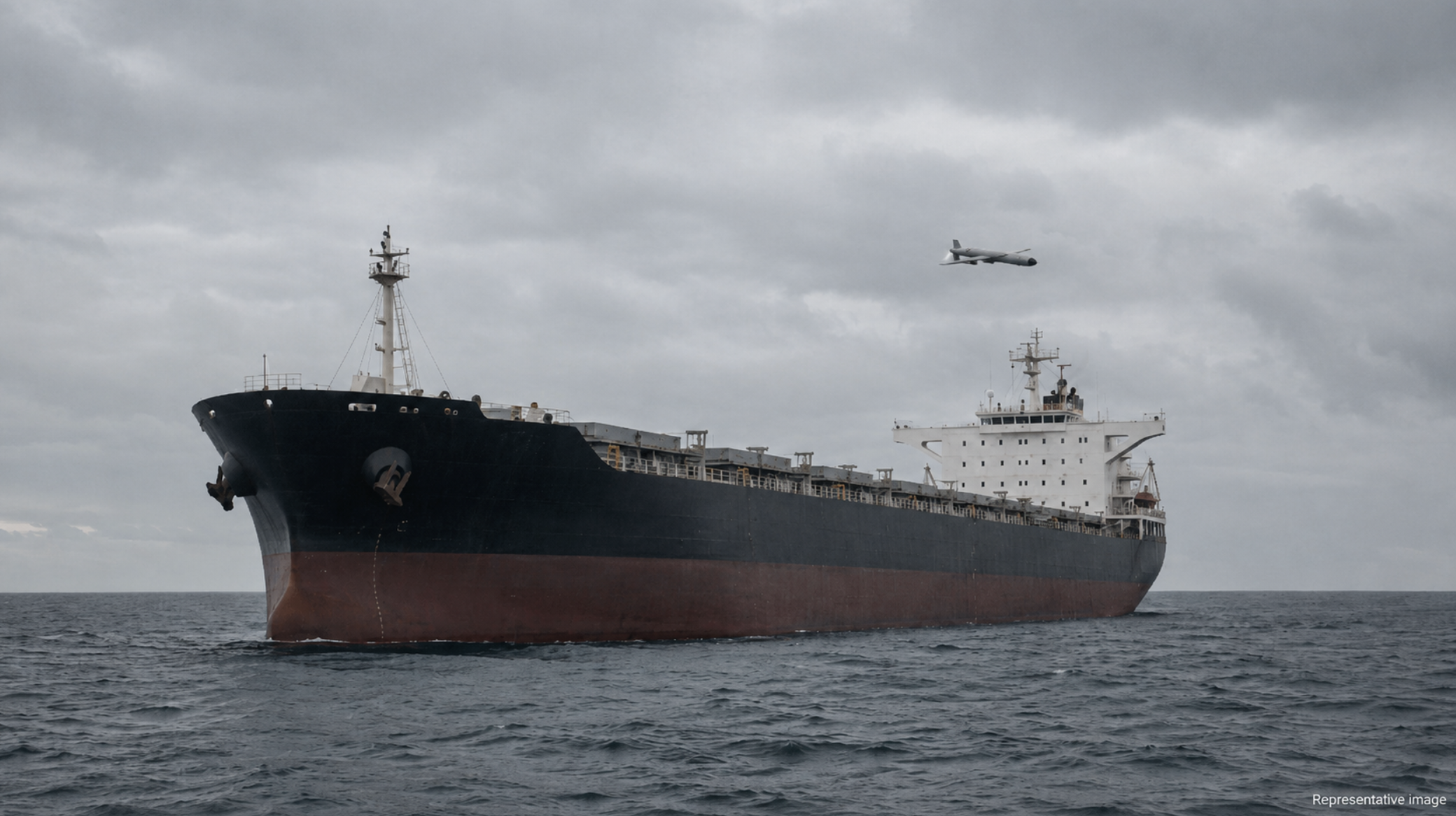
A UKMTO-reported projectile strike disabled an oil tanker near Oman’s Ash Shishah, placing the incident inside the Oman-side Hormuz risk envelope. The same SITREP recorded Iran’s 45-tanker non-compliance list, new U.S. shipping-sector sanctions pressure, a VLCC strike west of Yanbu and active piracy concerns in the wider Indian Ocean.
August 26 — Black Sea Five-Vessel Strike Claim Pushes War-Zone Risk Into Port-Call Files
Russia claimed strikes against five vessels across Ukraine’s Black Sea port system, including cargo ships and a tanker. DeepDraft treated the claim as unverified at drafting, but operationally material: Black Sea port calls now require renewed berth confirmation, terminal readiness checks, war-risk review, crew exposure assessment and evidence preservation.
August 27 — Hormuz Reopening Stalls as ALSALAM II Warning Adds Vessel-Level Caution
Hormuz corridor talks, mine-clearance claims and low vessel flow failed to restore normal transit confidence. DeepDraft reported only five commodity-vessel transits through the Strait on Tuesday, while the ALSALAM II warning near Jazirat Tawakkul added another vessel-level caution point for owners, charterers, insurers and compliance teams.
August 28 — Black Sea and Hormuz Incidents Widen the Security File
Russia struck Odesa port and industrial targets, while a merchant ship was reported sunk in Romania’s exclusive economic zone in the Black Sea. In the Strait of Hormuz, the Indian oil tanker HAANA reportedly turned back after a warning from an Iranian warship, reinforcing that the operating issue is not only physical clearance, but navigational authority, naval contact, charterer confidence and insurance approval.
August 28 — AL SALAM II Hit as MSC Freezes Novorossiysk Bookings
Kuwaiti tanker AL SALAM II was reported hit by an unknown projectile in the Strait of Hormuz, with fire extinguished and crew safe. The same operating cycle brought MSC’s reported Novorossiysk booking suspension after Black Sea container risk widened, partial Suez restoration on selected services, dry-bulk rate strength and a fatal tanker fire off Incheon.
August 28 — Canal Constraints and Freight Rates Add Commercial Pressure
Freight-rate indices rose for a fifth consecutive period, with Panama Canal restrictions reportedly pushing U.S. East Coast routes above USD 10,000. The operational effect is that security-driven route uncertainty is now being reinforced by canal capacity limits, cost escalation and schedule instability.
August 28 — Sustainability and Crew Capability Remain Active Operating Themes
RINA advanced a propulsion concept aimed at major annual fuel savings, while Estonia introduced Kratt, a biomethane-powered workboat. Separately, China-linked maritime training support for Liberia and efforts to establish a Yang Ming Marine Transport special class in Kaohsiung show that the industry’s next risk file is not only hardware, fuel and routing, but trained personnel able to operate safely inside more demanding compliance and technology environments.
August 29 — Hormuz Mine-Clearance Claim Meets Seven-Vessel Traffic and Seafarer Entrapment
CENTCOM said internationally recognised Hormuz transit routes were mine-free, but DeepDraft reported that traffic had not normalised. Reuters counted only seven commodity vessels through the Strait, while IMO-linked reporting said up to 400 ships and around 6,000 seafarers remained unable to depart the Persian Gulf safely.
Full Live Wire coverage for the week:
https://thedeepdraft.com/category/wire/
Strategic Summary
The main operational implication is that maritime movement is now being constrained by confidence as much as by physical access. Hormuz may have corridor discussions and mine-clearance claims, but traffic remains suppressed and vessel incidents continue to shape route authority. The Black Sea is moving from isolated strike risk into booking, schedule and carrier-service decisions.
Ship managers, masters, operators, charterers and insurers should watch three files next: whether Hormuz traffic rises beyond low, selective movement; whether Black Sea disruption continues to affect container, grain, tanker and terminal operations; and whether Suez or Red Sea service restorations remain limited, conditional and reversible.
The risk likely to carry into next week is control failure under pressure. A mine-clearance statement, a terminal checklist, a booking acceptance, a corridor map or a sanctions screening entry is not enough by itself. The operational test is whether the vessel, company and commercial chain can prove authority, evidence, readiness and response before the ship enters the risk envelope.
This report is part of the DeepDraft Weekly Maritime Brief series tracking operational, regulatory, and security developments across global shipping.



Leave a Reply