
The maritime environment in the Gulf remains highly unstable as Iran states it will not close the Strait of Hormuz but simultaneously demands naval coordination from commercial vessels transiting the waterway.
1. Diplomatic Standoff: Iran’s “Coordination” Requirement
In a statement to the United Nations, Iran reiterated that it respects freedom of navigation in the Strait of Hormuz.
• Official position: Tehran says it has no intention of formally closing the Strait and recognizes navigation rights under international maritime law.
• Operational reality: Iranian authorities have also stated that vessels should coordinate with the Iranian Navy when transiting the Strait, creating a de facto control mechanism for commercial shipping.
This requirement places shipowners between two competing security frameworks: Iranian naval coordination or Western naval escort operations.
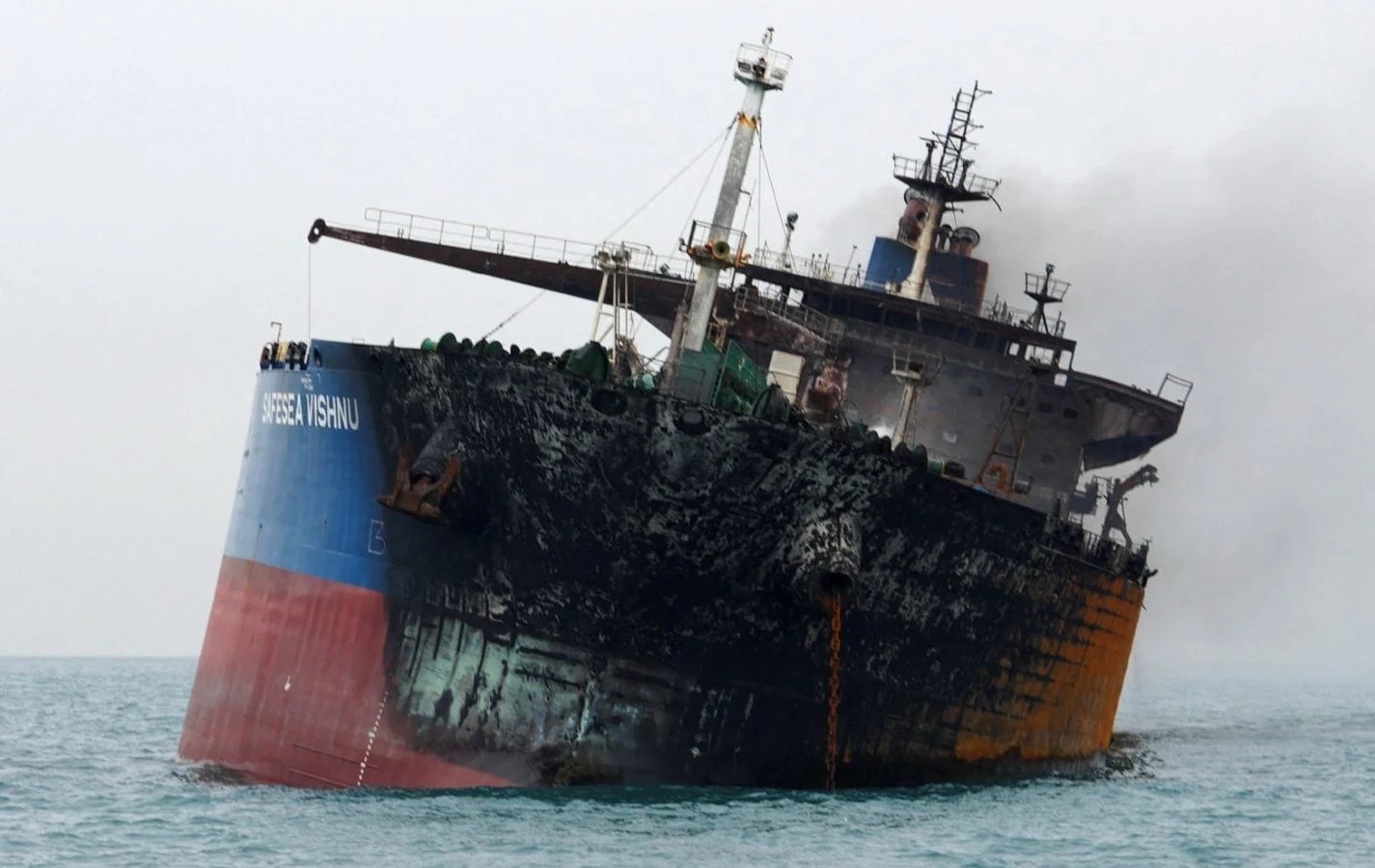
2. New Casualty: Safesea Vishnu Hit Near Iraq
India’s Ministry of External Affairs confirmed a fatal incident involving the Marshall Islands-flagged vessel Safesea Vishnu.
• Incident: The vessel was reportedly struck by a projectile while operating near Iraqi waters.
• Casualty: One Indian seafarer has been confirmed dead.
• Crew status: Several crew members were evacuated to Basra following the incident.
The event marks another escalation in the conflict’s impact on commercial shipping.
3. Operation Sankalp: India Prepares Possible Naval Escort Mission
India continues preparations for potential naval escort operations.
• Fleet exposure: Dozens of Indian-linked vessels remain delayed across the Persian Gulf and Gulf of Oman.
• Naval readiness: Indian Navy destroyers and frigates operating under Operation Sankalp remain positioned in the region.
• Decision timeline: Authorities are expected to finalize escort procedures after coordination with partner naval forces.
4. Energy Infrastructure and Supply Shifts
The Gulf energy system continues operating under emergency conditions.
• Crude sourcing: India reports a major shift in crude procurement away from Hormuz-dependent supply routes.
• Ras Tanura: Saudi energy infrastructure remains under heightened alert amid continued drone interception operations.
• Refinery operations: Indian refineries have increased throughput to maintain domestic fuel availability during the disruption.
5. Sector Breakdown: Shipping Market Response
Global shipping networks continue to adjust to the prolonged security risk.
• Tanker sector: Limited movements continue under state-backed insurance and naval protection frameworks.
• Container shipping: Major carriers maintain Cape of Good Hope diversions for Asia–Europe trade lanes.
• Bulk carriers: Vessel incidents outside the Strait itself indicate the wider Gulf region remains exposed to kinetic risk.
• Insurance: The U.S. federal maritime reinsurance program remains a key mechanism enabling limited transits.
Strategic Summary for Maritime Stakeholders
The crisis is evolving into a dual-authority security environment across Gulf waters.
Commercial shipping must choose between regional naval coordination frameworks or allied military escort corridors. Recent vessel strikes demonstrate that risk now extends beyond the Strait itself into the wider northern Gulf region.
Operational Status:
EXTREME RISK / NAVAL COORDINATION ENVIRONMENT
Sources:
UKMTO / Reuters / PIB India / Ministry of External Affairs India / Lloyd’s List Intelligence (13 March 2026)




Leave a Reply