
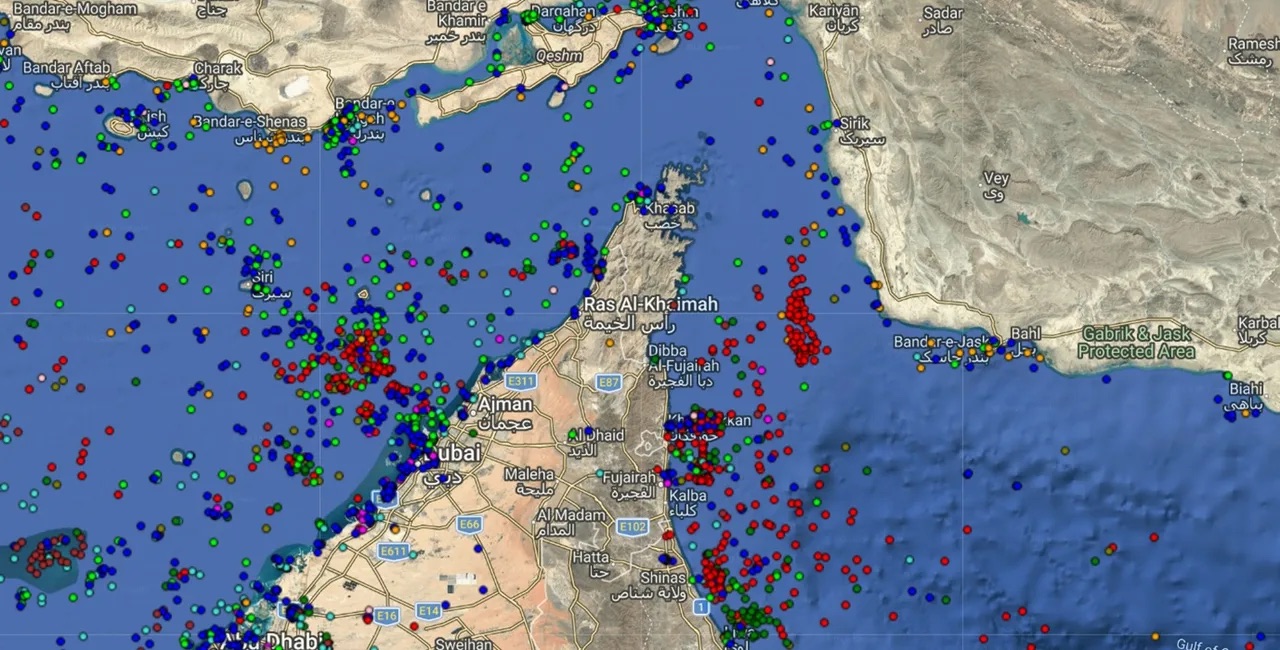
The Gulf maritime crisis has entered a phase of sovereign intervention as governments move to restore limited tanker movements while commercial insurance markets remain effectively closed for Gulf transits.
1. Financial Breakout: US Activates $20B Maritime Reinsurance
The U.S. International Development Finance Corporation (DFC) has activated a $20 billion federal maritime reinsurance facility designed to restore limited energy shipments through the Persian Gulf.
• Mechanism: The program provides government-backed Hull & Machinery and War Risk coverage for vessels transiting the Gulf under subsidized political-risk rates.
• Operational condition: U.S. authorities have indicated that vessels operating under the scheme may move within naval-protected transit frameworks currently being coordinated with U.S. Central Command (CENTCOM).
2. India Weighs Naval Escorts for Stranded Fleet
India is assessing the deployment of Indian Navy escorts to support vessels stalled in the Gulf region.
• Fleet exposure: Approximately 38 Indian-linked vessels, representing roughly 800,000 tonnes of shipping capacity and about six million barrels of crude, remain delayed upstream of the Strait.
• Operational framework: Escort operations would likely be conducted under Operation Sankalp, which already maintains Indian naval presence in the region to protect national shipping interests.
3. Energy Infrastructure Status: Ras Tanura Inspections Continue
Saudi Arabia’s Ras Tanura export terminal, one of the world’s largest crude loading hubs, remains under inspection following the earlier drone-related security incident.
• Operational impact: Saudi Aramco has continued precautionary shutdown procedures while structural assessments are completed.
• Mitigation efforts: Authorities are exploring additional routing of petroleum product flows toward Red Sea export infrastructure, although pipeline capacity limits the scale of diversion.
4. Confirmed Vessel Incidents and Casualties
Maritime reporting from the IMO and UKMTO confirms several vessel incidents linked to the crisis period.
• Stena Imperative (US flag): Remains in Bahrain following a missile-related strike earlier in the crisis.
• MKD Vyom and Skylight: Previously reported incidents resulted in confirmed seafarer fatalities.
• Safeen Prestige: The container vessel remains disabled off Oman after a projectile strike and subsequent onboard fire.
Total confirmed maritime fatalities linked to the conflict currently stand at five seafarers, including three Indian nationals.
5. Sector Breakdown: Global Shipping Response
Shipping networks are rapidly adapting to the disruption.
• Container shipping: Major carriers have extended Cape of Good Hope diversions for Asia–Europe services.
• LNG trade: Gulf export disruptions continue to pressure global gas markets.
• Tanker sector: Limited movements continue under state-backed insurance or national fleet operations, with normal commercial fixtures largely suspended.
Strategic Summary for Maritime Stakeholders
The maritime supply chain has effectively split into two operational models:
Sovereign Corridor : energy shipments supported by government-backed insurance and naval protection. Cape Route, the default routing for most commercial cargo, increasing voyage duration and freight costs.
Operational Status:
EXTREME RISK / SYSTEMIC REROUTING
Sources:
US DFC / UKMTO / Lloyd’s List / Saudi Aramco / The Hindu (10 March 2026)



Leave a Reply