
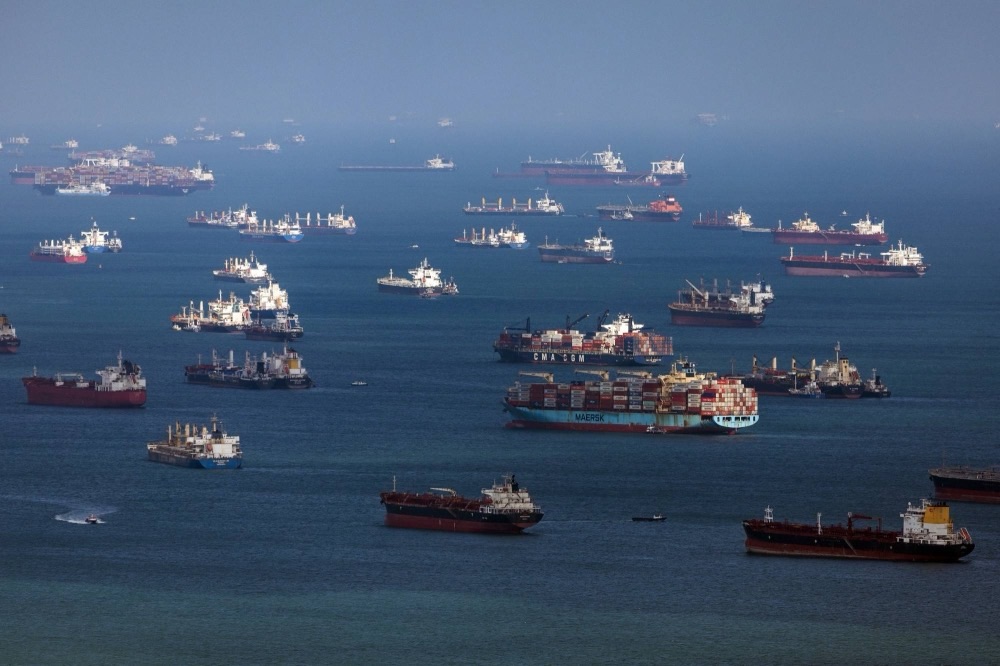
The maritime crisis in the Gulf region is moving beyond a temporary disruption as the United Nations warns of a growing humanitarian and logistical backlog at sea while new strikes against commercial vessels signal continued escalation across key shipping corridors.
1. Humanitarian Gridlock: 3,000 Vessels and 20,000 Seafarers
The Secretary-General of the International Maritime Organization (IMO), Arsenio Dominguez, has warned that the situation across the region is deteriorating.
• Backlog: An estimated 3,000 vessels including tankers, bulk carriers and container ships are currently delayed or stranded across the Middle East maritime region.
• Crew impact: Approximately 20,000 seafarers remain aboard these vessels, many waiting for safe routing or insurance clearance.
• Diplomatic appeal: The IMO has urged member states to pursue immediate diplomatic coordination to prevent the situation from escalating into a humanitarian crisis at sea.
2. Kinetic Update: IRGC Strikes Prima and Louise P
New security incidents have been reported involving commercial vessels in the Gulf.
• Prima (Malta-flagged): Reportedly struck by a drone in the Strait of Hormuz after failing to comply with Iranian naval warnings.
• Louise P (Marshall Islands-flagged): Struck north of Jubail, Saudi Arabia, in what Iranian sources described as action against a vessel considered “U.S.-linked.”
• Salvage incident: A tug assisting a disabled vessel in the Strait was also struck during operations, with several crew fatalities reported.
These incidents indicate that flag state alone is no longer shielding vessels from risk in the conflict zone.
3. India Activates Emergency Port Transshipment SOPs
India has begun implementing contingency measures to manage cargo disruptions caused by the Gulf blockade.
• Emergency procedures: Indian ports have been instructed to operate as temporary transshipment hubs for Gulf-bound cargo.
• Operational strategy: Shipping lines that have suspended Gulf calls are permitted to discharge cargo at Indian ports for storage, redistribution or rerouting.
• Energy shipments: A separate decision on Indian Navy escort operations for stranded tankers is expected in the coming days.
4. Insurance and Production Impacts
• War-risk blackout: Commercial war-risk cover for voyages into the Persian Gulf and Gulf of Oman remains suspended by major insurers.
• Production adjustments: Kuwait Petroleum Corporation has implemented precautionary reductions in crude production and refinery throughput due to regional security concerns.
• Market impact: Standard commercial tanker fixtures in the Arabian Gulf have largely stalled, leaving movements dependent on state-backed insurance or national fleets.
5. Sector Breakdown: Global Shipping Response
The maritime industry is adapting to prolonged disruption across Gulf energy routes.
• Tanker sector: Limited movement, largely restricted to state-insured or sanctioned “shadow fleet” vessels operating with restricted AIS visibility.
• Container shipping: Major carriers have extended Cape of Good Hope diversions, adding significant transit time and surcharges exceeding $4,000 per container in some trades.
• LNG trade: Export disruptions across Gulf producers continue to tighten global supply conditions.
• Cruise sector: Regional cruise itineraries have been suspended, leaving several vessels repositioning or awaiting passenger repatriation.
Strategic Summary for Maritime Stakeholders
The maritime industry is preparing for a prolonged blockade scenario rather than a rapid reopening of Gulf transit routes.
Energy shipping is increasingly dependent on sovereign protection and state-backed insurance. Indian Ocean and Mediterranean ports are absorbing cargo originally destined for Gulf terminals.
Operational Status:
CRITICAL / SYSTEMIC LOGISTICS RE-ROUTING
Sources:
UN News / International Maritime Organization / UKMTO / Lloyd’s List Intelligence / The Hindu (9 March 2026)



Leave a Reply