
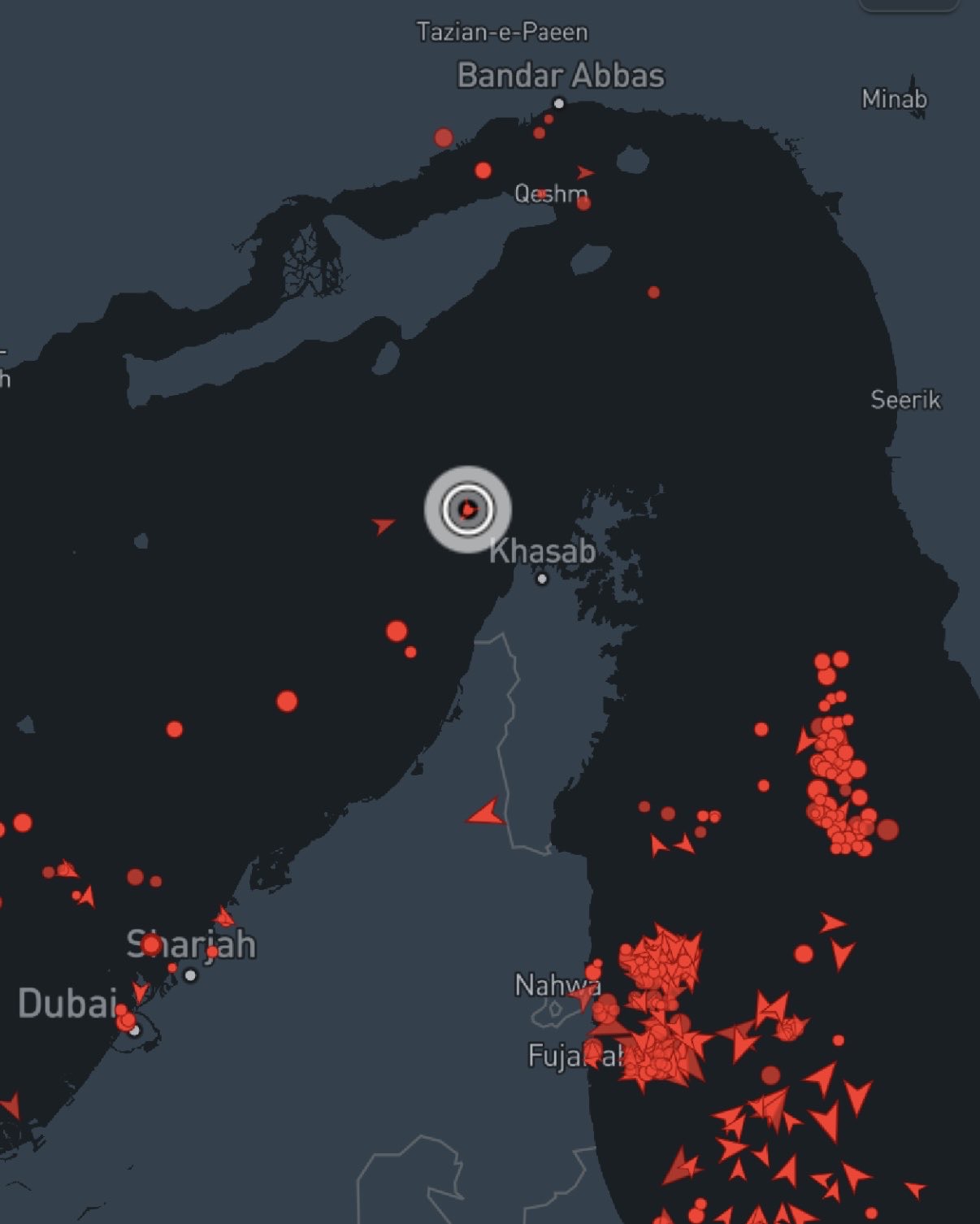
As of 06:00 IST today, March 4, 2026, the regional conflict continues to spill into the maritime domain, with military operations, tanker strikes, and new incidents expanding the operational risk envelope across the Arabian Gulf, Strait of Hormuz, and Gulf of Oman. While naval forces remain heavily deployed across the region, commercial shipping continues to operate under heightened security advisories.
1. Kinetic Update: Iranian Naval Assets Reported Destroyed
U.S. military updates referenced by international media indicate that multiple Iranian naval vessels have been targeted or destroyed during ongoing operations in the Gulf of Oman and surrounding waters. Satellite imagery and defense reporting suggest significant activity around Iranian naval facilities, including the Bandar Abbas naval base.
Despite these developments, asymmetric threats which includes missiles, drones, and unmanned surface vessels continue to pose operational risks to commercial shipping.
2. New Incident: Vessel Struck Near Fujairah, UAE
The United Kingdom Maritime Trade Operations (UKMTO) reported a fresh maritime security incident at 06:26 IST today (March 4).
A merchant vessel located 7 nautical miles east of Fujairah was struck by an unknown projectile.
• Damage: Steel plating damage reported; no fire or water ingress.
• Status: Crew reported safe and vessel remains operational.
This incident is operationally significant because Fujairah has become a major holding and bunkering hub for vessels waiting to transit the Strait of Hormuz, indicating that the threat environment may now extend further south into the Gulf of Oman approaches.
3. Human Cost: Seafarer Casualties Reported
India’s Directorate General of Shipping confirmed that three Indian seafarers have been killed and one injured across multiple incidents involving foreign-flagged vessels operating in the region since the escalation began.
New Delhi has established a maritime crisis coordination cell to monitor the safety of approximately 23,000 Indian seafarers currently deployed on ships operating in the wider Gulf region.
4. Sector Impact: Cruise Industry Operations Disrupted
The conflict has also disrupted cruise operations across Gulf ports. Several cruise vessels including MSC Euribia and Celestyal Journey remain alongside in regional ports such as Dubai, Doha, and Abu Dhabi as operators reassess sailing schedules amid flight disruptions and security advisories.
5. Market Reaction: Energy and Shipping Markets Respond
Energy markets continue to react to the disruption of Gulf transit routes. Brent crude has risen toward the low-$80 range, reflecting market concern over the security of a maritime corridor responsible for roughly 20% of global seaborne crude trade.
Shipping operators and insurers are closely monitoring the evolving security posture across the Gulf, with routing decisions and insurance conditions under review.
Why It Matters for Maritime
The operational risk profile of the Gulf region is expanding beyond the Strait of Hormuz chokepoint itself.
• Fujairah incidents suggest the risk zone is extending into Gulf of Oman approaches.
• Commercial fleets are adopting defensive routing and holding patterns while monitoring naval activity.
• Ports and anchorages previously considered safe waiting areas are now operating under heightened security posture.
For Masters and operators, the region must now be treated as a high-risk operating environment. Transit decisions require continuous monitoring of security advisories, naval communications, and company risk guidance, particularly in the approaches to the Strait of Hormuz and the Fujairah holding areas.
Operational Status: CRITICAL / EXPANDING REGIONAL RISK ZONE
Sources: UKMTO / US CENTCOM updates referenced in international media / DG Shipping India / Reuters / The Guardian (March 4, 2026)




Leave a Reply