
As of 1 January 2026, a coordinated set of amendments adopted by the International Maritime Organization entered into force across the STCW, SOLAS and MARPOL Conventions.
These changes affect compliance expectations in four main areas:
• Human conduct and welfare
• Mandatory reporting and monitoring
• Fire safety in high-risk spaces
• Environmental documentation and traceability
This article brings together the key amendments, references the relevant IMO resolutions, and explains what they mean for day-to-day operations onboard.
1. STCW Amendments: Harassment, Bullying and Social Responsibility
Amendments to the STCW Convention and STCW Code Table A-VI/1-4 were adopted under Resolution MSC.560(108) and entered into force on 1 January 2026.
The amendments introduce mandatory training requirements covering:
• Prevention of violence, harassment and sexual harassment
• Awareness of bullying and social responsibility
• Appropriate response mechanisms onboard
This training now forms part of mandatory basic safety competence.
For years, onboard conduct has been managed primarily through company policy. From 2026 onward, it becomes part of the certification framework.
In a recent DeepDraft analysis on missing cadets at sea, I examined structural vulnerabilities faced by trainees onboard. Bringing social responsibility training into the formal certification framework creates clearer expectations. What was once described as culture now has regulatory requirements attached to it.
This amendment formally places psychological safety within the safety framework.

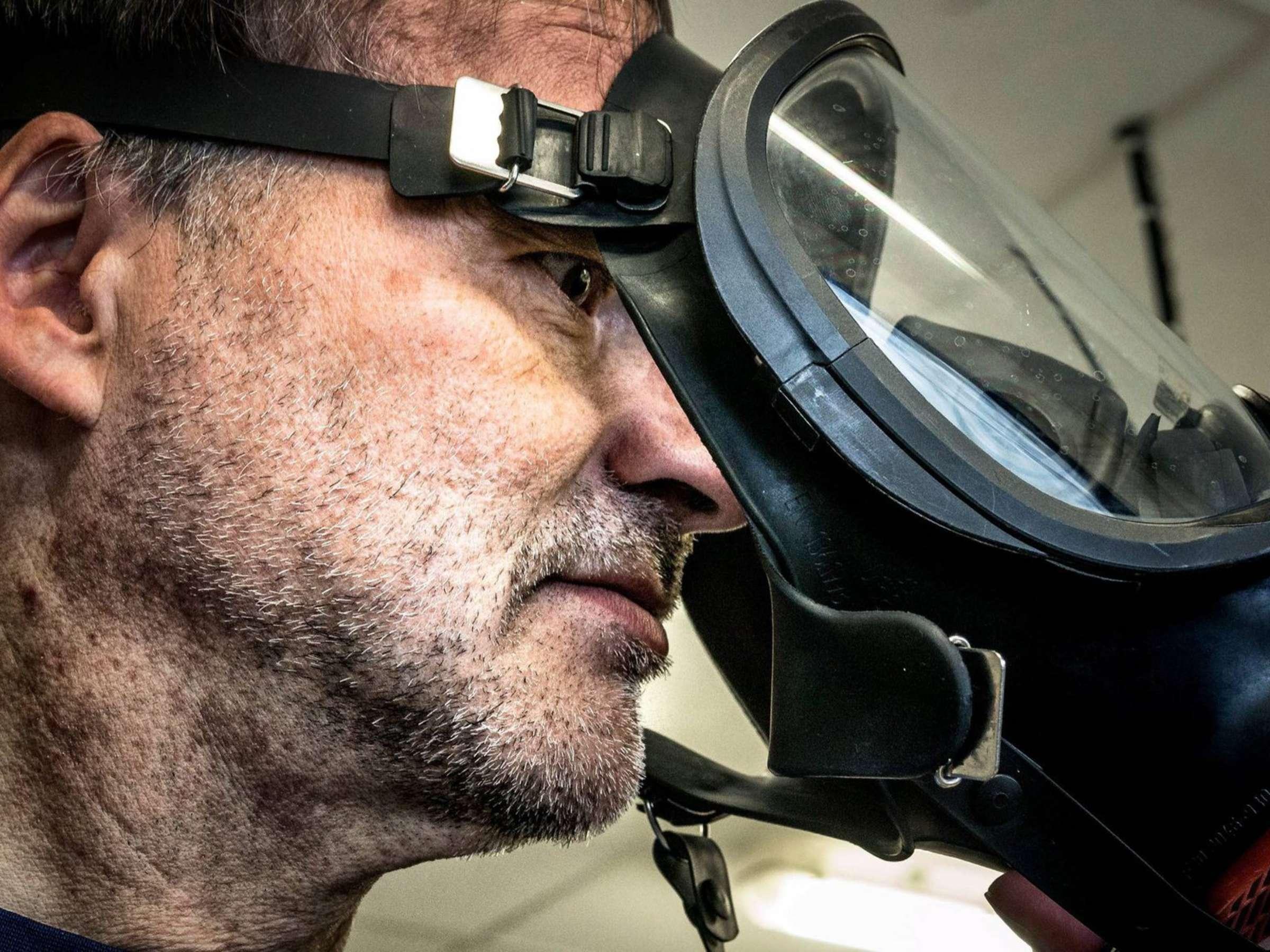
Image credit: Ministry of Ports, Shipping and Waterways, Government of India.
It is important to note that transitional arrangements apply. Several Administrations, including the UK Maritime and Coastguard Agency (MCA), the Polish Maritime Administration and the Norwegian Maritime Authority, have clarified that seafarers holding valid PSSR certificates are not required to immediately retake the course. The additional training component will generally be incorporated at the next scheduled refresher training cycle in accordance with flag guidance.
2. SOLAS Amendments: Reporting and Equipment Standards
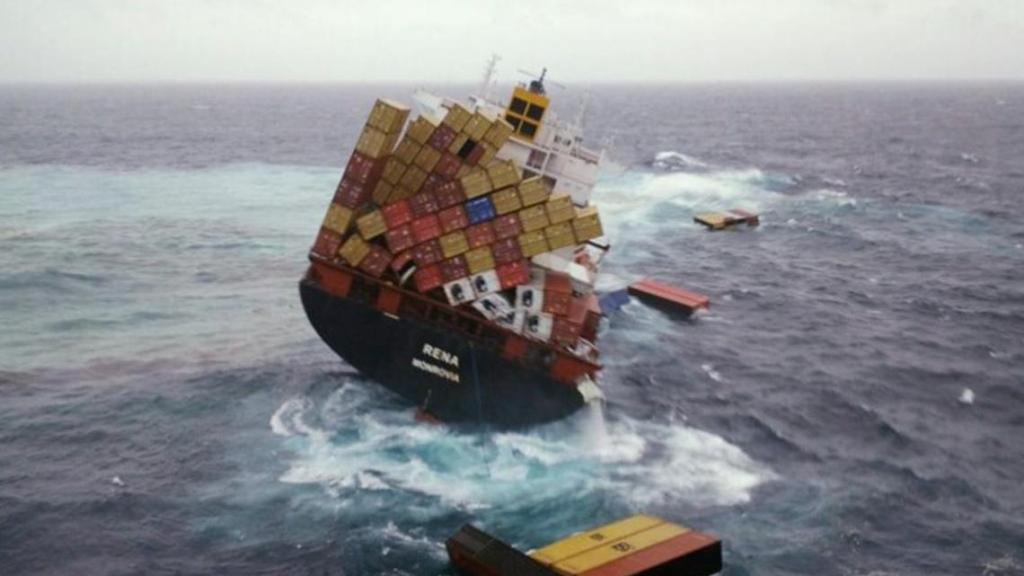
Lost Container Reporting
Amendments to the SOLAS Convention Chapter V Regulations 31 and 32 were adopted under Resolution MSC.550(108), with corresponding MARPOL amendments under MEPC.384(81). These entered into force on 1 January 2026.
Masters must now report the loss or observation of freight containers without delay to:
- Nearby ships
- The coastal State
- The flag State
If the ship is unable to make the report, the responsibility shifts to the company.
This removes discretionary reporting practices and formalises container loss as a mandatory navigational safety obligation. Container losses are no longer handled on a case-by-case judgement basis as they fall squarely within defined reporting requirements.
Electronic Inclinometers
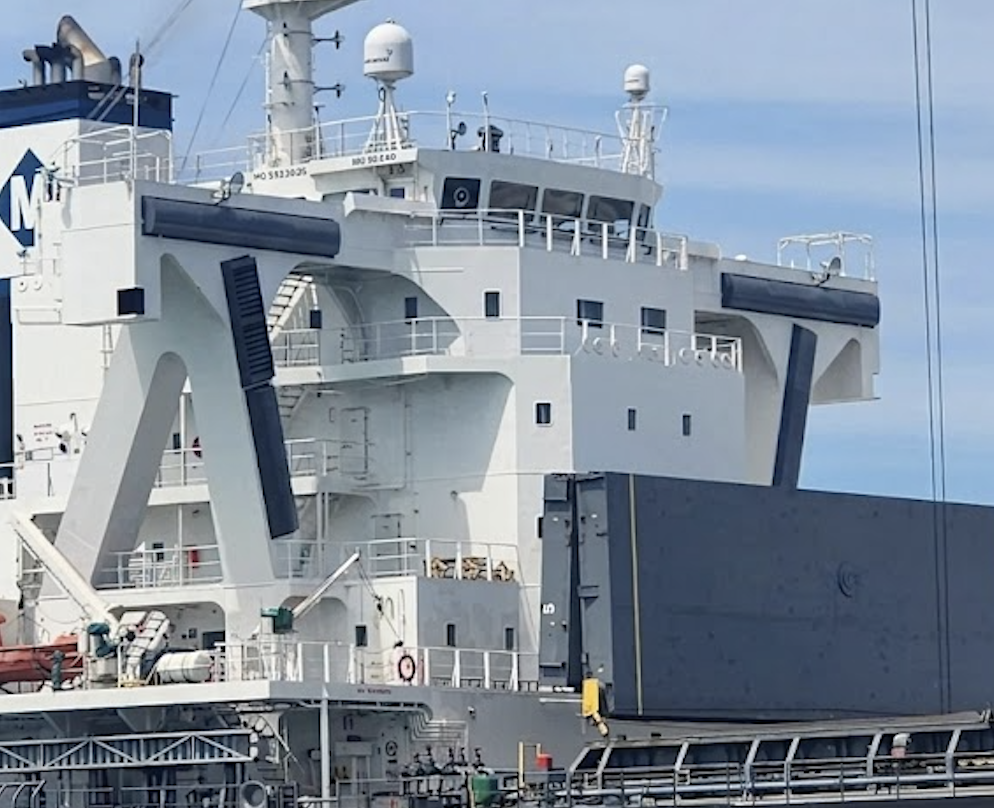
Under Resolution MSC.532(107), new container ships and bulk carriers of 3,000 GT and above constructed on or after 1 January 2026 must be fitted with electronic inclinometers capable of monitoring and recording roll motion.
It is important to note that this requirement applies specifically to container ships and bulk carriers within the stated tonnage and build-date threshold. It does not extend to tankers, gas carriers, Ro-Ro ships or other vessel types under the current amendment framework.
The introduction of electronic inclinometers brings objective, recordable roll data into the compliance landscape. In casualty investigations, roll behaviour will no longer depend solely on recollection, bridge log entries or indirect indicators. Recorded motion profiles can be analysed against stability calculations, cargo securing arrangements and prevailing weather conditions.
This amendment strengthens how stability performance is documented, preserved and assessed after an incident.

Lifting Appliances and Anchor-Handling Winches
Resolution MSC.532(107) introduced SOLAS Regulation II-1/3-13, bringing lifting appliances and anchor-handling winches formally within the SOLAS framework.
It is important to understand that proof load testing, periodic thorough examination and maintenance documentation were already common industry practice under class rules, ILO instruments and manufacturer guidance. The 2026 amendment does not introduce entirely new physical testing requirements.
What changes is the regulatory footing.
From 1 January 2026, lifting appliances and anchor-handling winches are explicitly governed under SOLAS. This reduces interpretational variation and aligns survey expectations across Administrations. Compliance is no longer framed primarily as a class or manufacturer matter, it sits within the statutory safety convention itself.
In practical terms, deficiencies in documentation, inspection intervals or testing records now carry clearer SOLAS implications rather than being treated as secondary recommendations.

Fuel Oil Flashpoint Certification
Amendments adopted under Resolution MSC.520(106) reinforce the existing SOLAS requirement that fuel oil used onboard ships must have a flashpoint not lower than 60°C, except where specifically permitted for certain installations. The flashpoint limit remains unchanged, the amendment strengthens the associated documentation framework.
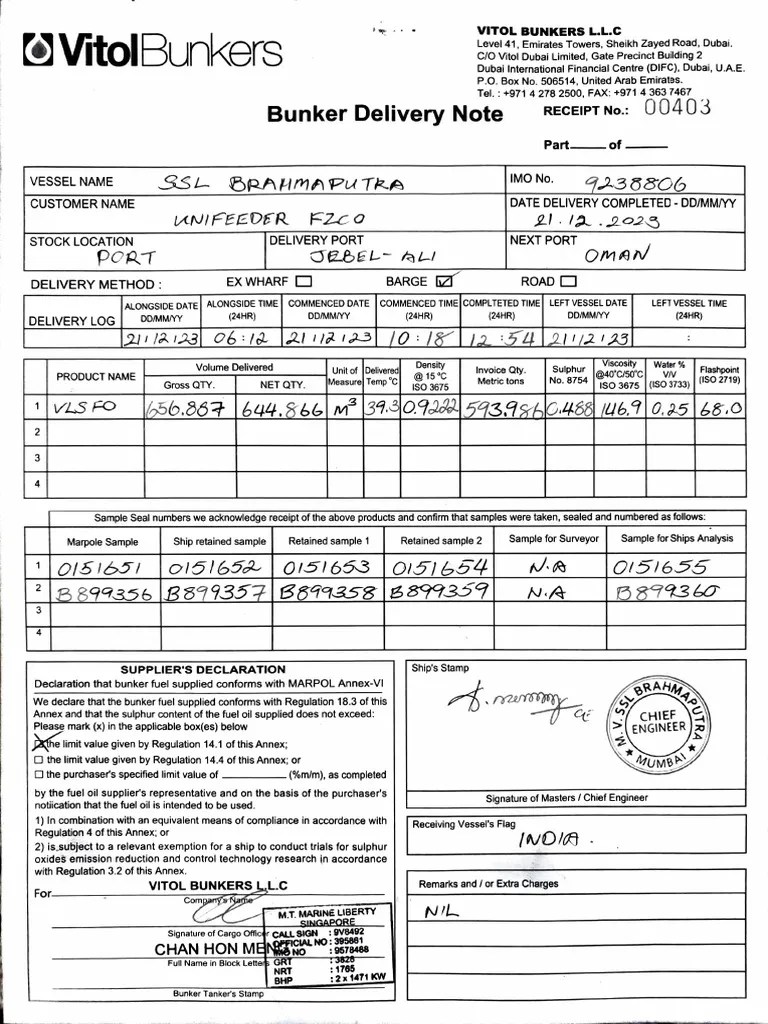
Effective 1 January 2026, bunker suppliers must provide a declaration confirming compliance with the SOLAS flashpoint requirement. The Bunker Delivery Note (BDN) must state the measured flashpoint value or declare that it is not lower than 70°C.
Flashpoint verification remains a SOLAS fire safety requirement, now supported by clearer supplier declaration obligations.
Chief Engineers and Masters should therefore expect the flashpoint to be clearly reflected in the delivery documentation. While flashpoint compliance has always been mandatory, the 2026 amendment formalises the supplier’s obligation to declare it explicitly.
3. Fire Safety Amendments: Ro-Ro Focus and PFOS Prohibition
Amendments to SOLAS Chapter II-2 and the FSS Code were adopted under Resolutions MSC.550(108) and MSC.555(108) and entered into force on 1 January 2026.
Ro-Ro and Vehicle Spaces
The amendments introduce enhanced fire detection and monitoring requirements for vehicle and Ro-Ro spaces, particularly on newly constructed ships and, in certain cases, for existing ships subject to survey schedules.
Key requirements include:
- Fixed fire detection systems capable of identifying the location of activation
- Individually identifiable smoke or heat detectors
- Continuous video monitoring of vehicle and Ro-Ro spaces
“Individually identifiable” means that when a detector is activated, the system indicates the specific location or zone of the alarm rather than providing only a general space alarm. This improves response precision and reduces the time taken to identify the source of smoke or heat.
The requirement for video monitoring adds an additional layer of situational awareness from the bridge or continuously manned control station. Together, these measures strengthen early detection capability in enclosed vehicle decks, where fire development can be rapid and access for investigation may be constrained.

PFOS Prohibition
Firefighting foams containing perfluorooctane sulfonic acid (PFOS) are prohibited for use and storage onboard ships under the 2026 amendments to SOLAS Chapter II-2 and associated Codes.
The prohibition formalises the global phase-out of PFOS-based firefighting media, reflecting wider environmental and health controls on persistent organic pollutants. The requirement applies to both new installations and existing foam stocks carried onboard.
Shipowners and operators must verify that installed firefighting systems and stored foam concentrates are compliant. This may require manufacturer certification or documented confirmation that PFOS content is below permitted thresholds. Disposal of legacy foam must be handled in accordance with applicable environmental regulations.
DeepDraft previously examined the operational and technical implications of PFOS removal, including system flushing, compatibility checks and replacement planning. That earlier analysis can be found here:
4. MARPOL Amendments: Expanding Environmental Compliance
Recent amendments to the MARPOL Convention expand documentation, reporting and certification obligations across several annexes, with entry-into-force dates spanning 2024 to 2026.
Garbage Record Book Threshold
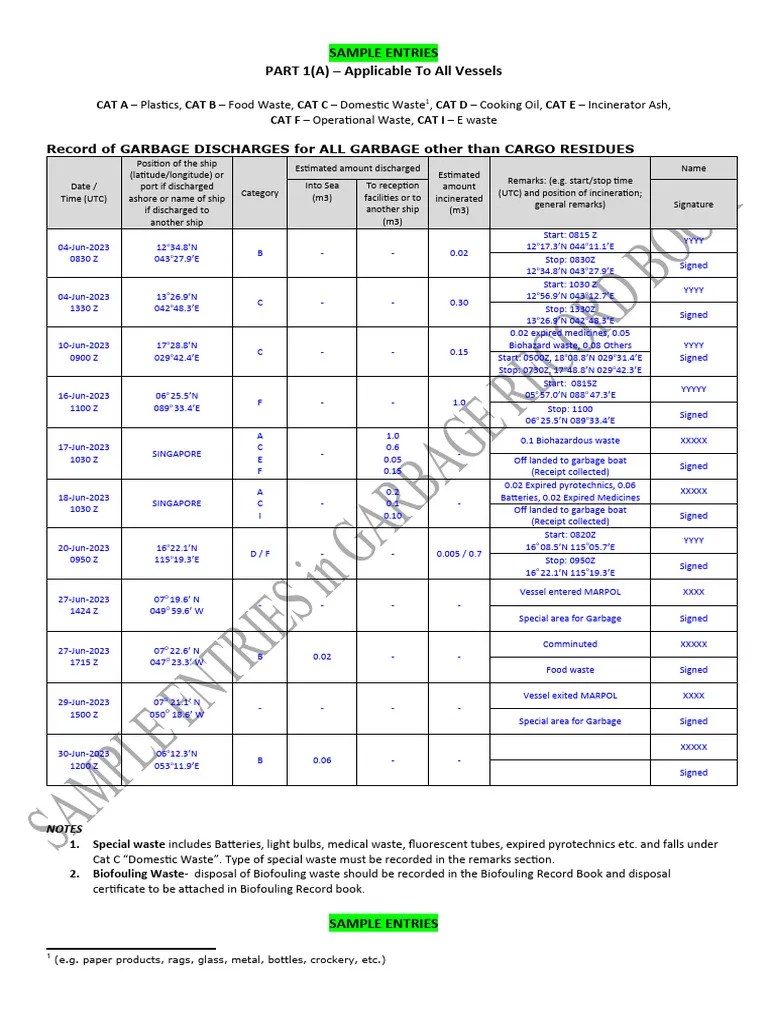
The requirement to maintain a Garbage Record Book under MARPOL Annex V was amended through Resolution MEPC.360(79), owering the applicability threshold from 400 GT to 100 GT, effective 1 May 2024.
The change extends formal waste documentation requirements to a wider segment of smaller commercial vessels, offshore units and coastal traders. Masters and operators of vessels within the 100–400 GT range must ensure:
• Proper recording of garbage discharges and disposals
• Documentation of delivery to port reception facilities
• Familiarisation of crew with Annex V record-keeping procedures
The amendment reduces grey areas in waste reporting by expanding the population of ships subject to record-book compliance.
Fuel Consumption and SEEMP Reporting
Amendments adopted under Resolution MEPC.395(82) refine the fuel oil consumption data collection framework under MARPOL Annex VI.
Data collection under the revised provisions begins on 1 August 2025, with updated reporting obligations applying from 1 January 2026.
The core Data Collection System (DCS) structure remains intact, however, the amendments increase the granularity and consistency of reported information. This strengthens the data foundation supporting decarbonisation measures and future greenhouse gas compliance mechanisms.
The change is therefore transitional in nature, beginning in 2025 and feeding into reporting cycles from 2026 onward.

NOx Technical Code Clarifications
Amendments to the NOx Technical Code adopted under MARPOL Annex VI are scheduled to enter into force on 1 September 2026, with early voluntary application permitted by Administrations.
The amendments clarify certification requirements for engines that undergo substantial modification or operate under multiple rating profiles.
These clarifications are particularly relevant for:
• Engine retrofits
• Power limitation measures
• Dual-fuel conversions
• Hybrid propulsion configurations
The amendments do not introduce new emission limits. Their purpose is to ensure that modified engines remain properly certified, documented and traceable within the Annex VI framework.
Conclusion: 2026 Is About Traceability
The 2026 amendments reflect a steady direction in maritime regulation. Welfare training is formalised within certification standards. Reporting obligations are defined with greater clarity. Equipment requirements are aligned more directly with statutory language. Environmental documentation reaches further across the fleet.
For those serving onboard and ashore, the message is straightforward. Review procedures, confirm documentation, align training records and ensure that what is written in manuals is reflected in practice. The amendments do not change the fundamentals of seamanship or engineering. They clarify how those fundamentals are expected to be demonstrated.
Compliance in 2026 rests on clarity, documentation and consistency. Ships that keep their systems aligned with that approach will remain well positioned under the evolving regulatory framework.
Regulatory References
STCW
- MSC.560(108) – Amendments to STCW Convention and Code (Table A-VI/1-4)
SOLAS
- MSC.550(108) – Amendments to SOLAS Chapter V (Lost Container Reporting)
- MSC.532(107) – Electronic Inclinometers; SOLAS II-1/3-13 (Lifting Appliances)
- MSC.520(106) – Fuel Oil Flashpoint Documentation
- MSC.555(108) – Amendments to the FSS Code (Fire Safety)
MARPOL
- MEPC.384(81) – Container Loss Reporting (Corresponding MARPOL Amendments)
- MEPC.360(79) – Annex V Garbage Record Book Threshold (Effective 1 May 2024)
- MEPC.395(82) – Annex VI Fuel Consumption / SEEMP Data Framework
- NOx Technical Code Amendments – Annex VI (Entry into force 1 Sept 2026)


Leave a Reply