
Two chokepoints now carry active control pressure.
In the Red Sea, Houthi forces have moved onto Perim Island and into Mokha, giving them a stronger position over the Bab el-Mandeb Strait. In the Gulf, tanker strikes, reduced Hormuz confidence, and record VLCC rates are turning route approval into a combined security, insurance, freight, and crew-risk decision.
The week also widened the digital threat picture. An Iran-linked actor used AI to compile U.S. Navy targeting material and research vulnerabilities in shipboard systems, showing how open maritime data, automation, and cyber reconnaissance can now feed the operational threat cycle.
That is the setting for this week’s DeepDraft analysis. Tanker safety controls, voyage permission, and security response all come back to the same question: does the system identify the actual hazard, or does it merely complete the form?
Weekly Analysis
This week’s flagship DeepDraft analysis is CO₂ on Oil Tanker Entry Permits: Safety Requirement or Checklist Overreach?
The article examines a SIRE 2.0 observation raised because an oil tanker enclosed-space entry permit did not include CO₂ measurement alongside oxygen, flammable gas, and toxic vapours. The issue is not whether CO₂ can ever matter. It can. The operational question is whether CO₂ should become a fixed tanker permit item without a credible source, pathway, space condition, or planned operation that makes it relevant.
DeepDraft’s position is clear: MSC.581(110) should strengthen enclosed-space risk assessment, not reduce that assessment to a longer printed gas list. Organic cargoes, fixed CO₂ system release, sewage spaces, grey-water tanks, exhaust ingress, unusual cargo history, or poor isolation may all justify CO₂ testing. A properly gas-freed crude or product cargo tank with representative readings for oxygen, hydrocarbon vapour, and tanker-relevant toxic gases is a different case.
For masters, chief officers, superintendents, vetting teams, ship managers, and tanker operators, the article is a reminder that permit-to-work systems must defend the link between hazard and control. If the SMS does not explain how additional gases are selected, that is a valid weakness. If the observation simply demands a CO₂ box without identifying a credible tanker-entry hazard, the control has drifted from operational safety into checklist overreach.
Full analysis available on DeepDraft:
This Week in Maritime: Timeline of Escalation
September 8 — Hormuz Traffic Falls to May Low as Tanker Turnback Confirms Transit Risk
Hormuz traffic fell to its lowest level since May, with tanker turnbacks confirming that the Strait is still operating under confidence pressure. For operators and charterers, the signal is voyage authorization: whether the ship, insurer, charterer, flag, and company can accept the transit risk before the vessel commits.
September 9 — Hormuz UUV Seizure Brings Undersea Systems Into the Transit-Risk Picture
Iran said it captured a U.S. Dive-LD unmanned underwater vehicle near the Strait, while tanker crews near Kuwait and Bahrain were warned inside the same escalation cycle. The operational issue is that unmanned systems, ISR, undersea awareness, and tanker routing are now sitting inside one Gulf security file.
September 10 — New Andros Hit as Gulf Tanker Attacks Spread Beyond the Strait Lane
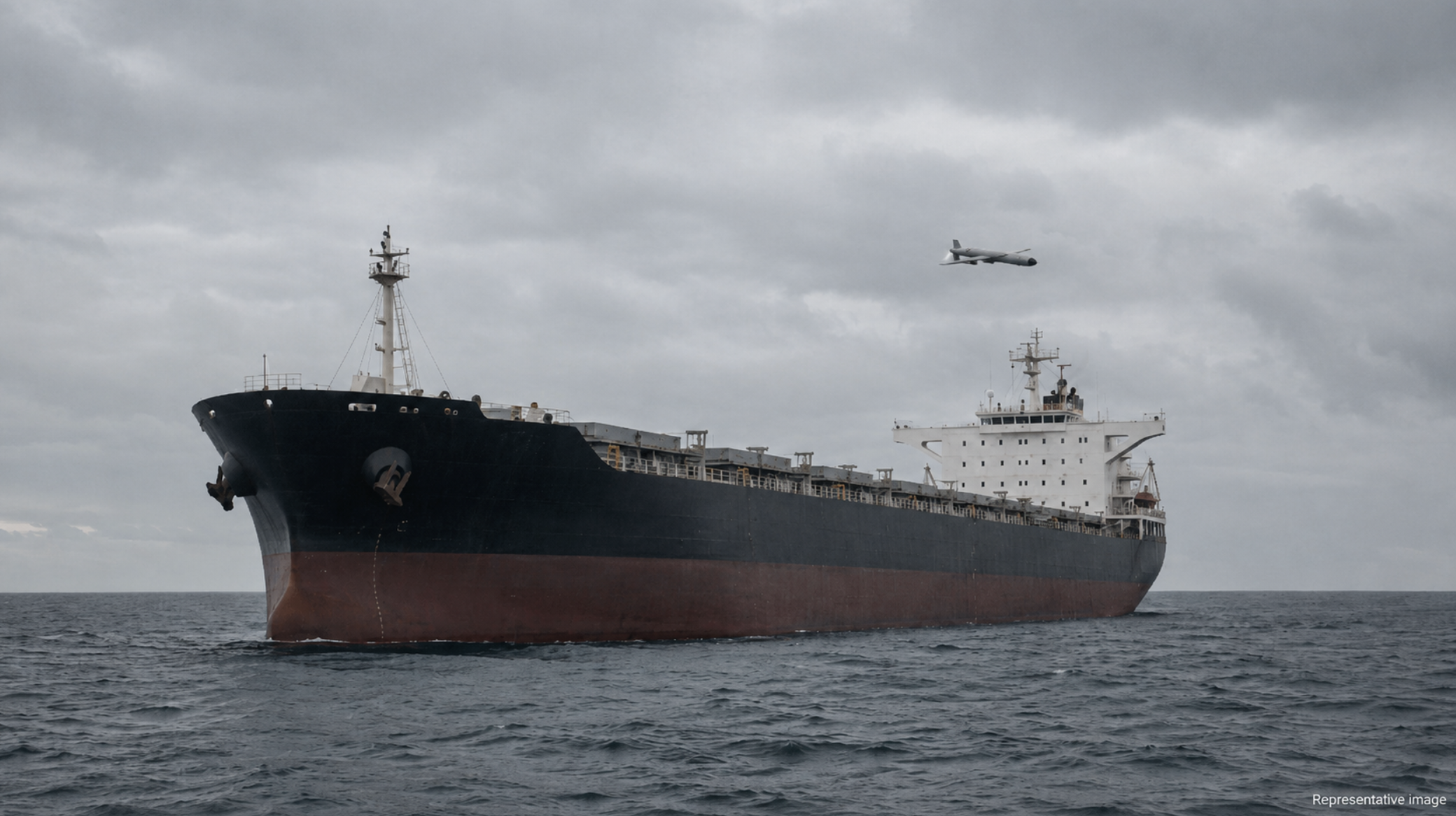
The Panama-flagged oil tanker New Andros was struck by a drone in Iraqi territorial waters, with no casualties reported and no cargo leakage confirmed. The incident widened the risk map from Strait transit into Iraqi waters, Gulf anchorages, UAE approaches, and Gulf of Oman routes.
September 11 — Red Sea Foothold, AI Targeting, and Gulf of Aden Piracy Widen the Security Layer
Houthi movement into Mokha and Perim Island placed Bab el-Mandeb control back at the centre of Red Sea planning. The same day brought a separate digital-security signal: an Iran-linked actor used AI to compile U.S. Navy targeting material and research shipboard-system vulnerabilities. CTF 151 also coordinated a response to a Gulf of Aden piracy attack, where the crew used BMP protective measures and the vessel resumed transit after the attackers departed.
September 12 — June Aster Ferry Fire Toll Reaches 35 as Casualty Risk Remains the Human Signal
Philippine rescuers recovered bodies from the burned-out MV June Aster, raising the confirmed death toll to at least 35 after the ferry caught fire near Coron, Palawan. The casualty sits beside the Ocean Melody repair-yard fire at Qingdao, where 25 people died during maintenance work, reinforcing that emergency readiness, fire control, contractor control, evacuation, and permit discipline remain live operational risks.
Full Live Wire coverage for the week:
https://thedeepdraft.com/category/wire/
Strategic Summary
The main operational implication is that maritime risk is now moving across three connected layers: chokepoint control, commercial pricing, and onboard control discipline. Bab el-Mandeb is back in the routing file, Hormuz remains a tanker-risk and war-risk file, and the Gulf of Aden has active piracy exposure inside the same operating theatre.
Ship managers, masters, operators, and insurers should watch Bab el-Mandeb passage confidence, Gulf of Oman and Hormuz vessel-warning patterns, VLCC rate movement, port and anchorage advisories, and the treatment of open-source maritime data as an intelligence risk. The AI targeting case matters because it shows that public ship, aircraft, personnel, and vulnerability information can be compiled faster and turned into operationally useful material.
The risk most likely to carry into next week is confidence failure. Ships may still move, but movement now depends on route authority, insurance appetite, crew-risk acceptance, port and anchorage exposure, freight economics, and the ability of the ship’s own management system to show why each control exists.
This report is part of the DeepDraft Weekly Maritime Brief series tracking operational, regulatory, and security developments across global shipping.

Leave a Reply