

Limited vessel movements have been observed through the Strait of Hormuz under apparent state-level clearance, while regulatory focus is shifting toward imminent IMO MEPC 84 decisions on onboard carbon capture and emissions monitoring.
1. Strait of Hormuz: Fragmented Transit Pattern.
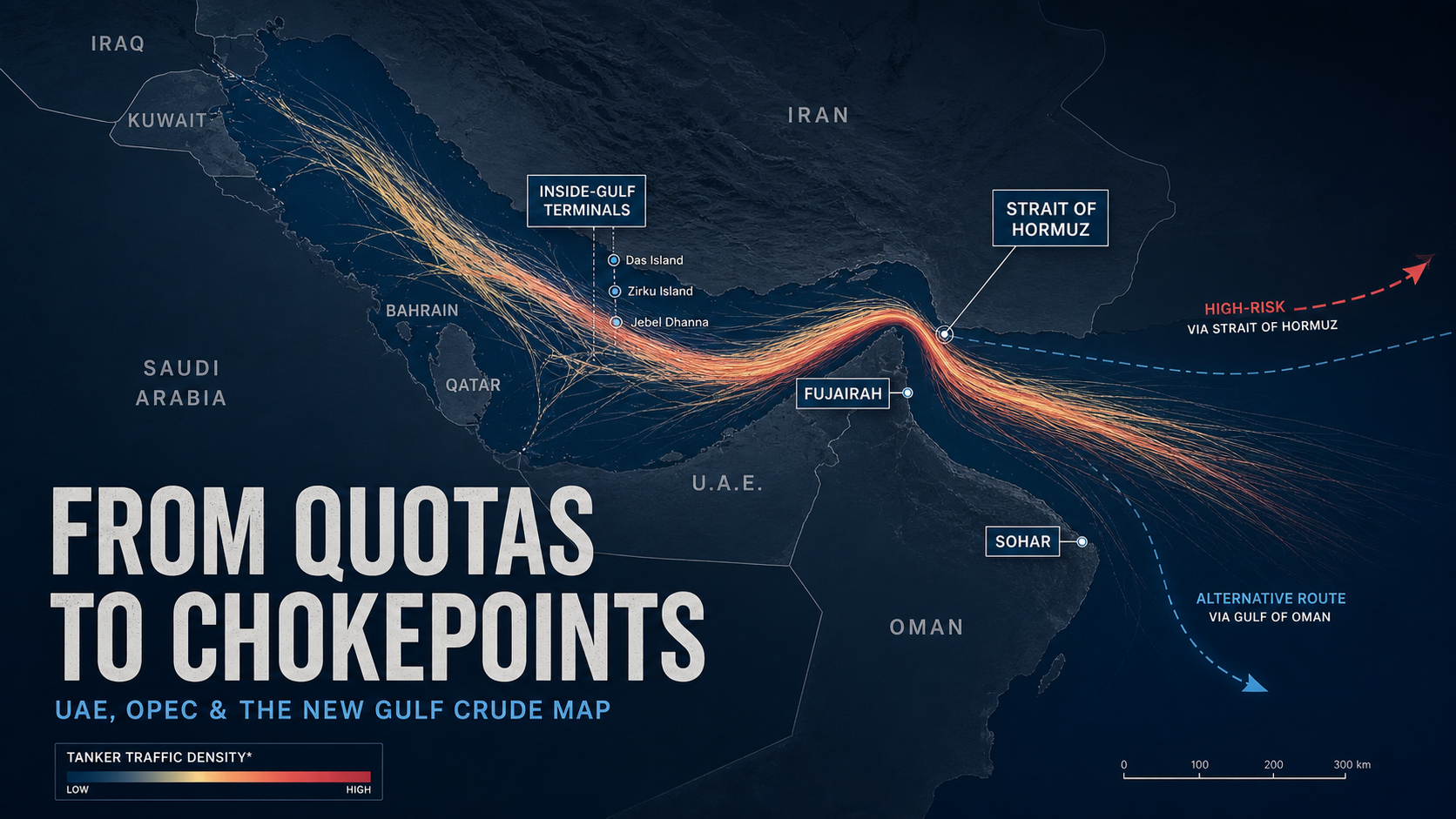
Isolated transits have been confirmed, including one French-owned container vessel and one Japanese-owned tanker operating under monitored conditions, with overall traffic remaining below 20% of normal baseline volumes and no formal convoy framework established despite continued coalition naval presence. A disabled MR tanker north of Ras Laffan remains unresolved, with salvage access denied due to unexploded ordnance onboard, maintaining a persistent operational and environmental risk in proximity to LNG export infrastructure.
2. UNSC & Security Posture.
The UN Security Council is scheduled to vote on a revised navigation resolution, with divisions continuing between escort-based deterrence and neutral corridor models, leaving no unified enforcement mechanism in place at the time of reporting. LNG flows from Qatar continue under elevated risk exposure, with proximity threats estimated within 30 nautical miles of the incident zone.
3. Regulatory Shift: MEPC 84 (April 27).
OCCS guidelines are expected to establish the first global framework for onboard carbon capture, targeting legacy fleet compliance with IMO 2030 GHG intensity goals, while Continuous Emissions Monitoring Systems are moving toward adoption, marking a transition from calculated emissions based on fuel logs to direct exhaust measurement and significantly increasing compliance transparency across fleets.
4. Market & Logistics Response.
North European container yard density has exceeded 90% utilization, triggering congestion surcharges and priority discharge fees, while Cape diversions are adding approximately 3,200 to 3,500 nautical miles and extending transit times by 10 to 14 days on Asia–Europe routes. VLCC additional fuel consumption is estimated at 1,500 to 2,000 metric tonnes per voyage, with sea–air logistics shifting through Salalah, Muscat, and Colombo, and tanker earnings stabilizing at an elevated war-risk adjusted baseline.
Strategic Summary (For Masters & Ship Managers).
Hormuz transit should be treated as restricted-access navigation and undertaken only with explicit flag state and owner clearance, with security posture maintained at elevated levels and continuous bridge vigilance in high-risk zones. Ship managers should initiate OCCS feasibility planning ahead of MEPC 84 outcomes and prepare for transition to CEMS-based compliance systems, while voyage planning, chartering exposure, and bunker strategy should be aligned with sustained Cape routing conditions.
Operational / Market Status: CRITICAL AMBER — Fragmented Hormuz Transit / Elevated Freight Baseline / Regulatory Acceleration.
Sources: UN Security Council Briefings, IMO MEPC 84 Pre-Session Documents, Maersk Market Update, UKMTO, Clarksons Research.
This update is part of the DeepDraft Live Wire series covering developing maritime operational situations.


Leave a Reply