
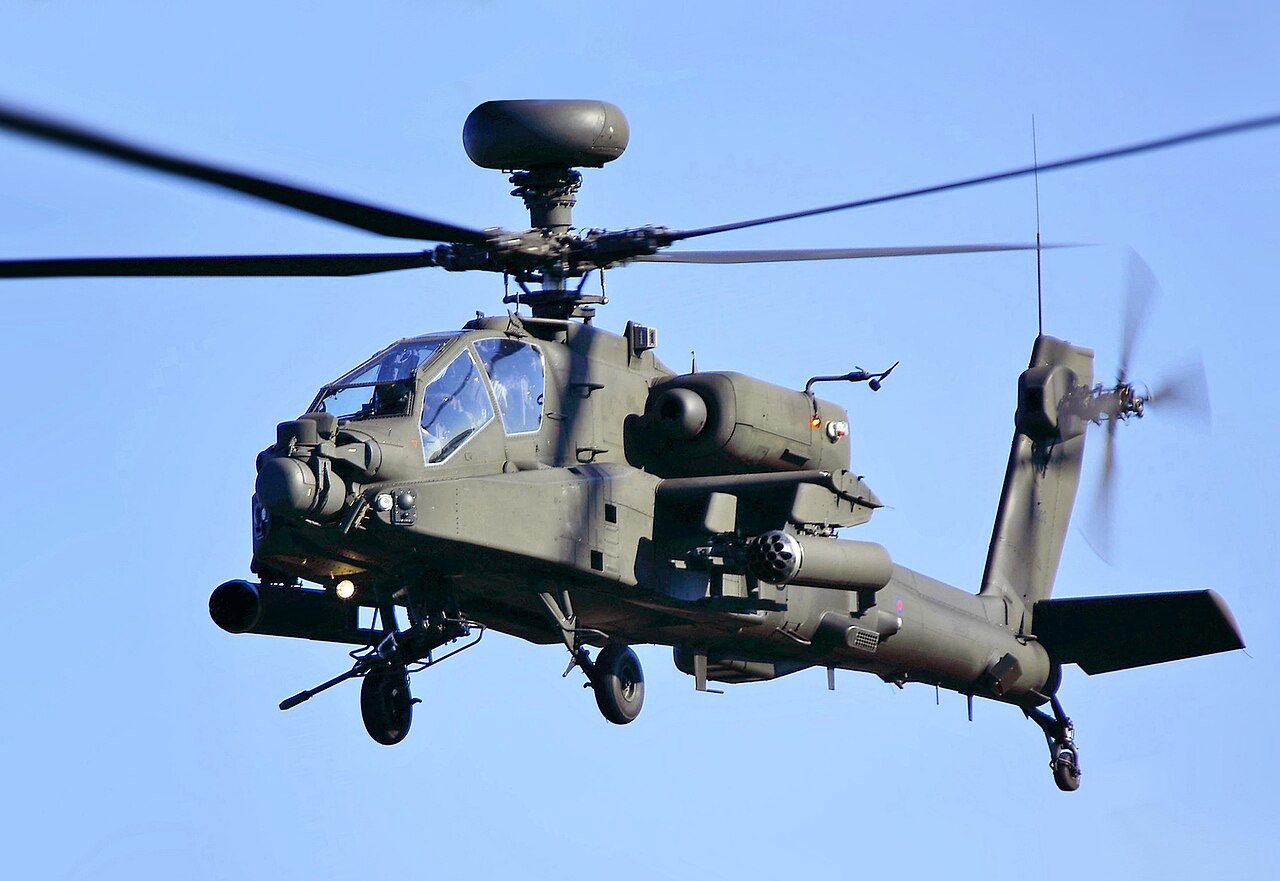
The maritime crisis is entering a more direct operational phase. U.S. posture in the Strait is shifting from blue-water deterrence to low-altitude interdiction support against IRGC fast-attack craft and explosive drone boats, while long-term LNG loss from Ras Laffan and full EU ETS cost realization are tightening the global operating environment for shipowners and charterers.
1. Close-Air Support and the Shift to Low-Altitude Strait Defense
• CAS deployment: A-10C aircraft and AH-64 Apaches are now supporting direct interdiction operations against IRGC fast-attack craft and remote-controlled explosive vessels in Strait approaches.
• Mine warfare response: USS Santa Barbara (LCS 33) is conducting mine-clearing operations in the Northern Gulf using unmanned surface systems under armed escort.
• Surface threat persists: IRGC swarming activity remains concentrated around the Musandam Peninsula, keeping the Strait in a state of continuous tactical saturation.
2. Qatar LNG Repair Outlook and Structural Supply Loss
• Repair horizon: QatarEnergy now indicates a 3–5 year timeline to restore the 12.8 Mtpa capacity lost at LNG Trains 4 and 6.
• Export impact: Approximately 17% of Qatar’s export capacity remains offline, extending the global LNG supply deficit.
• Market response: Asian spot LNG prices remain sharply elevated while Brent holds near $124/bl ahead of the ultimatum deadline.
3. Panama Balboa: Arbitration and Network Spillover
• Claim expansion: Panama Ports Company has raised its ICC arbitration claim to $2.1 billion following the state takeover of Balboa and Cristobal.
• Congestion state: Atlantic-side terminals remain at roughly 115% yard density as COSCO and OOCL continue bypassing Balboa.
• System effect: Caribbean transshipment backlogs continue to widen under diverted cargo pressure.
4. EU ETS 2026: Methane Slip Cost Peak
• Full liability active: 100% surrender requirement now applies to verified emissions under 2026 ETS rules.
• LNG penalty: Dual-fuel LNG carriers on Cape diversions are facing methane-slip-related surcharges of up to $180,000 per voyage.
• Fuel economics shift: The carbon-cost advantage of LNG is narrowing materially on long-haul diversions.
Strategic Summary (For Masters & Ship Managers)
• Immediate operational advice: Masters should maintain high-alert visual lookout for low-signature explosive craft and assume X-band radar may not provide sufficient warning in all cases.
• Commercial implication: Ship managers should treat war-risk premiums, Cape bunker costs, and ETS methane liability as a single voyage-cost package, not separate variables.
Related Reading – https://thedeepdraft.com/2025/10/17/when-the-snow-fades-from-mount-fuji-why-lngs-green-bridge-is-not-what-it-seems/
Operational/Market Status
CRITICAL RED – 94% Capacity Strain / Brent @ $124/bl
Sources
The Hindu / Reuters / Lloyd’s List Intelligence / Kpler / UKMTO / IMO Council Briefing (March 26, 2026)
This update is part of the DeepDraft Live Wire series covering developing maritime operational situations.


Leave a Reply