
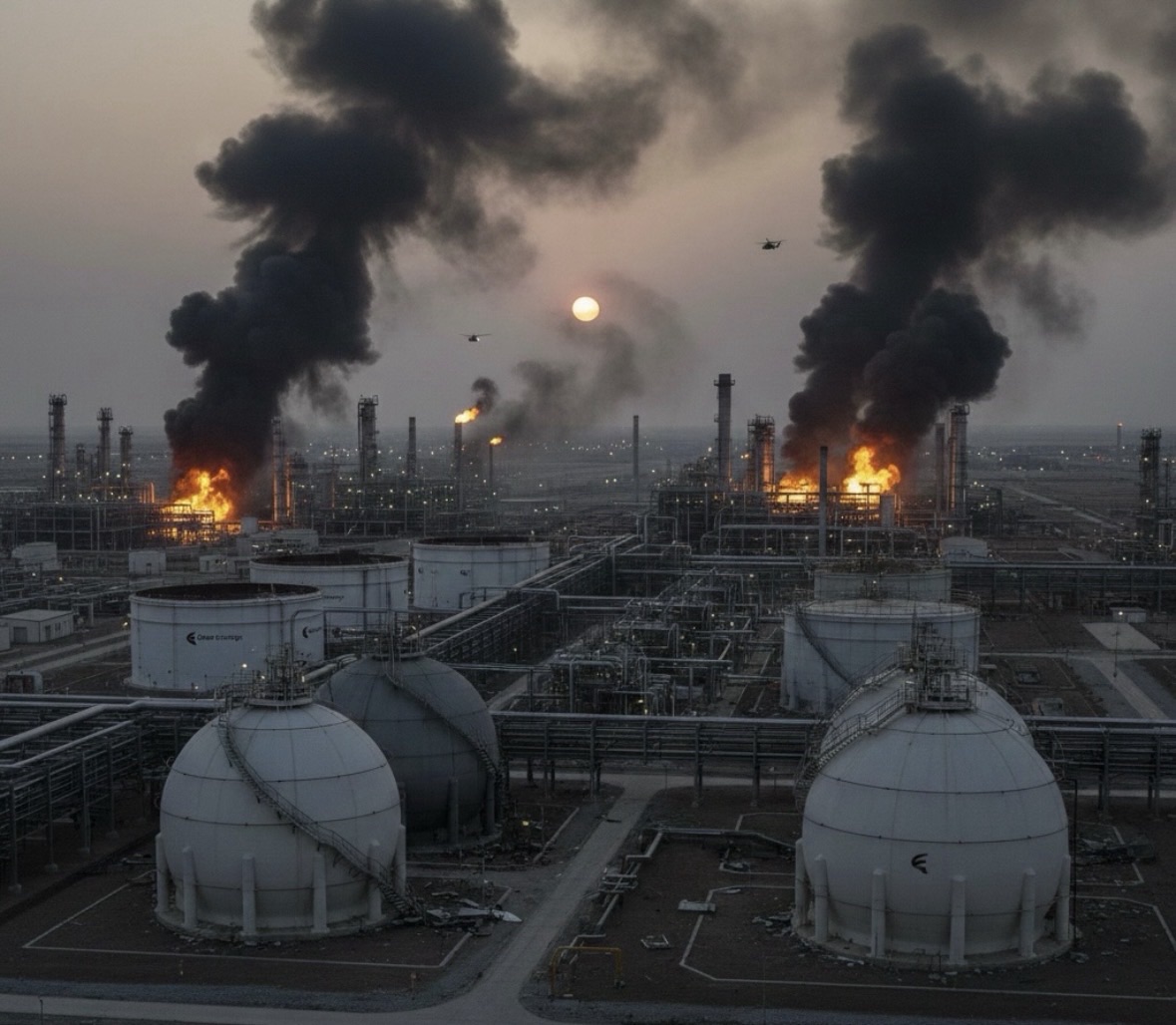
The maritime crisis has shifted from transit disruption to direct targeting of strategic energy infrastructure. QatarEnergy has confirmed that missile strikes on March 18 and 19 caused “extensive damage” to the Pearl GTL facility and multiple critical LNG production units at Ras Laffan. The strike has removed approximately 80 million tonnes per annum (Mtpa), or about 19% of global LNG supply, from the market. In parallel, a G7+ grouping has formally condemned the de facto closure of the Strait and signaled readiness to support safe-passage efforts, indicating that the maritime response is moving toward a multilateral phase.
1. Ras Laffan Infrastructure Impact and Force Majeure
• Infrastructure loss: QatarEnergy and Wood Mackenzie reporting confirm that the strikes on Ras Laffan have disabled a significant portion of Qatar’s LNG and GTL infrastructure, materially extending recovery timelines beyond earlier market expectations.
• Diplomatic break: Qatar has declared Iranian military and security attachés persona non grata, ordering departure within 24 hours and describing the strike as a flagrant violation of sovereignty.
• Market shock: European gas markets reacted immediately, with benchmark Dutch TTF futures surging sharply following confirmation of the Ras Laffan damage.
2. G7+ Allied Declaration and Safe Passage Planning
• Joint condemnation: The UK, France, Germany, Italy, the Netherlands, Japan, and Canada issued a joint declaration condemning the de facto closure of the Strait and attacks on civilian energy infrastructure.
• Readiness signal: The statement explicitly expressed readiness to “contribute to appropriate efforts to ensure safe passage through the Strait,” while welcoming ongoing preparatory planning.
• UK role: British military planning teams have been deployed to US CENTCOM to support operational options for reopening the waterway, including escort and de-mining frameworks.
3. IMO “Safe Maritime Framework” Mandate
• Extraordinary session: The IMO Council, in its 36th Extraordinary Session, adopted a declaration calling for a Safe Maritime Framework to manage trapped vessels and crews.
• Member support: The initiative was tabled by the UAE and co-sponsored by more than 115 member states, making it the largest co-sponsored declaration in IMO history.
• Operational focus: The framework is intended to facilitate humanitarian extraction and controlled movement for vessels and crew currently trapped west of the Strait.
4. Indian Extractions and Fleet Prioritization
• Priority queue: Indian authorities have identified a priority list of 22 India-bound vessels west of the Strait for phased naval extraction.
• Cargo significance: These ships include critical crude, LNG, and LPG cargoes, highlighting the strategic use of sovereign naval cover to protect national energy supply chains.
• Escort continuity: Following the successful arrival of Shivalik, Nanda Devi, and Jag Laadki, Indian naval assets have repositioned for the next extraction phase.
5. Navigation and Maritime Risk Environment
• Expanded kill zone: Offshore areas around Ras Laffan and the Northern Gulf now sit firmly inside an active strike envelope, eliminating any remaining assumption of safe waiting areas.
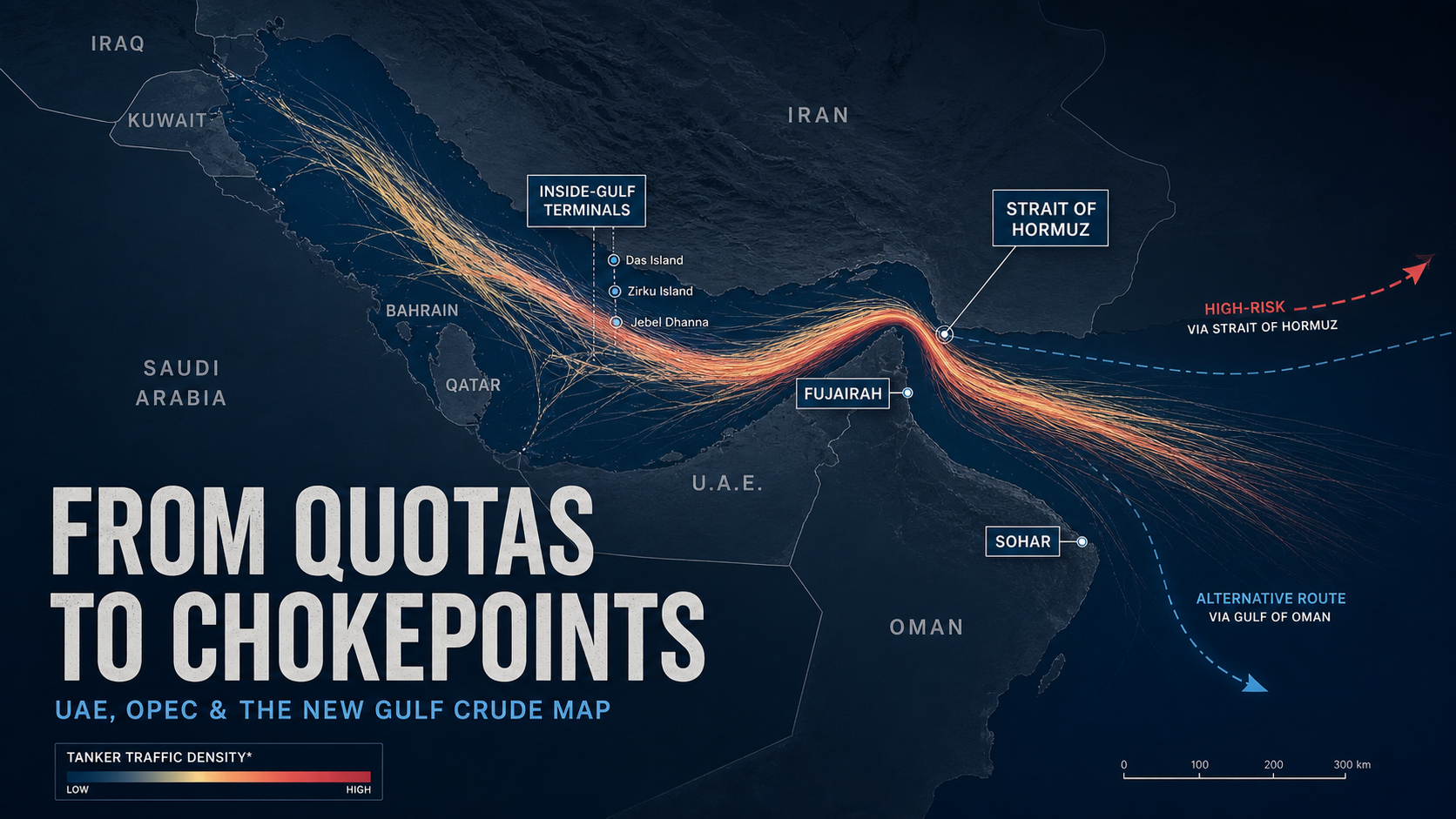
• Electronic warfare: GPS spoofing, AIS ghosting, and severe GNSS interference remain active across Gulf and Gulf of Oman approaches.
• Transit regime pressure: Iranian lawmakers are now examining a toll-and-tax proposal for Strait transit, pointing toward a possible post-conflict attempt to institutionalize passage control.
6. Iranian Transit Fee Proposal
• Legislative move: Iranian lawmakers are considering a proposal to impose mandatory tolls and transit fees on all vessels using the Strait of Hormuz.
• Scope: The proposal applies to shipping, energy cargo, and food supply routes, signaling intent to formalize economic control over the waterway.
• Strategic signal: Advisers to Iran’s leadership have indicated this could form part of a “new regime” governing Strait transit following the conflict.
Strategic Summary for Maritime Stakeholders
Supply-chain rupture: The Ras Laffan strike shifts the crisis from delayed transit to direct energy-supply destruction. LNG shipping risk is no longer only about passage, but about upstream cargo availability.
Coalition Emergence and Regulatory Shift: The G7+ and IMO mandates suggest that a coordinated, multilateral response is forming. At the same time, Iran’s proposed transit fee regime signals a competing attempt to institutionalize control over Hormuz. Operators should expect future passage to be governed by competing security and regulatory frameworks.
Operational Status
EXTREME RISK / ENERGY INFRASTRUCTURE DAMAGED / MULTILATERAL SAFE-PASSAGE PLANNING ACTIVE
Sources
QatarEnergy / Wood Mackenzie / IMO Secretariat / UK Foreign Office / UK Ministry of Defence briefing / UAE Ministry of Foreign Affairs / Reuters / Bloomberg / ISNA / Lloyd’s List Intelligence (March 20, 2026)

Leave a Reply