

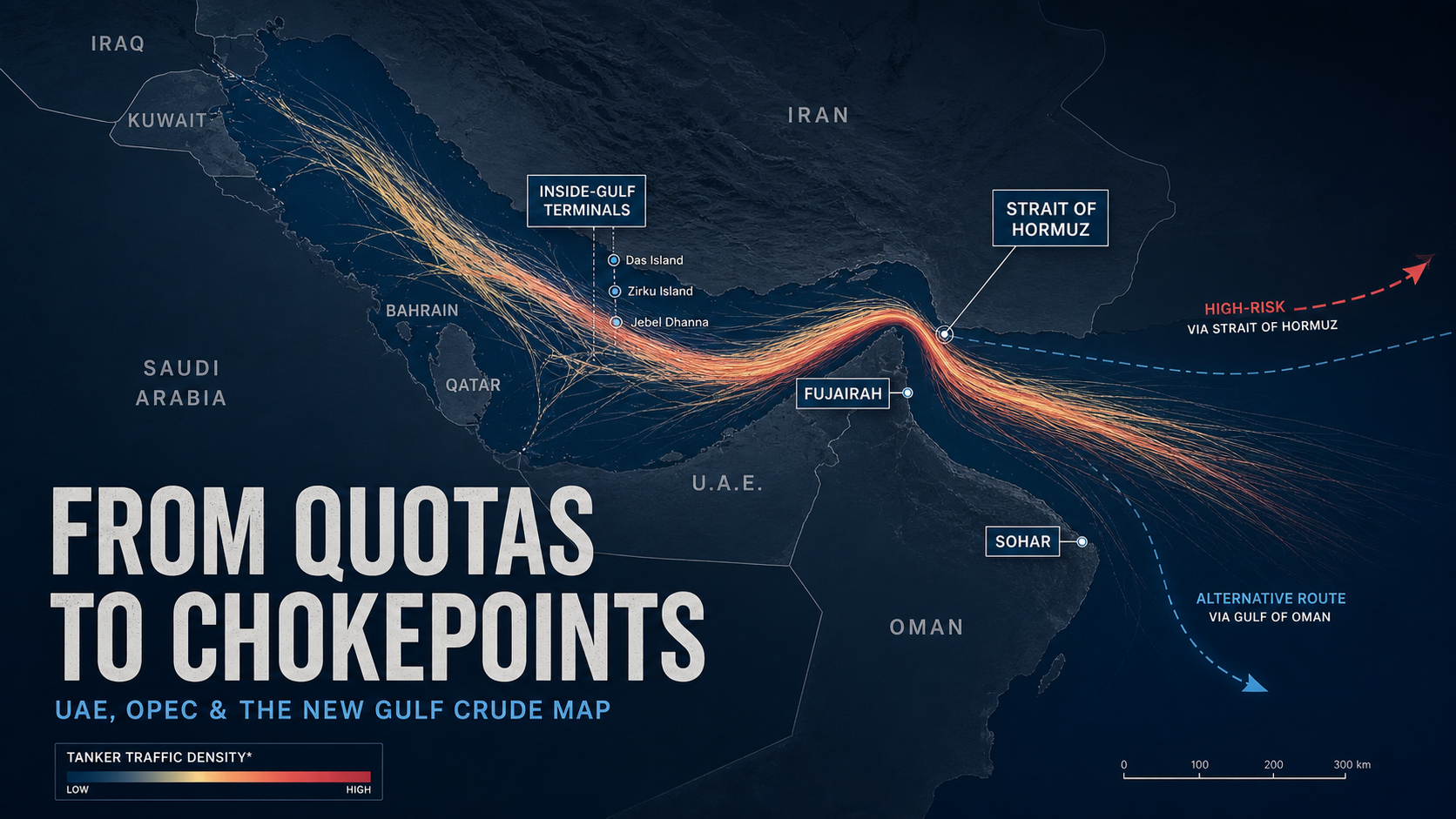
The maritime environment in the Persian Gulf and Gulf of Oman has transitioned into a sovereign-controlled operational phase. Commercial shipping remains largely paralyzed following the withdrawal of private war-risk insurance, while an estimated 80% collapse in normal traffic through the Strait of Hormuz has forced a structural shift in global trade routes. Although the first national convoys have successfully extracted energy cargo from the region, the theater remains a high-kinetic maritime zone characterized by projectile attacks, vessel incidents, and significant GNSS interference.
1. Global Seafarer Safety and Casualty Report
• Casualty threshold: Monitoring agencies report at least 20 seafarers killed or missing since hostilities escalated on February 28, 2026.
• Incident verification: The March 11 strike on the tanker Safesea Vishnu near Basra resulted in one confirmed fatality following an explosive boat attack during a ship-to-ship operation.
• Humanitarian situation: Approximately 20,000 seafarers remain aboard an estimated 600 vessels delayed across the Persian Gulf under sustained operational risk.
2. Naval Escorts and Sovereign Convoys
• Operation Sankalp: The Indian Navy conducted the first confirmed convoy extraction on March 14, escorting LPG carriers Shivalik and Nanda Devi through the Strait of Hormuz.
• Blue Corridor framework: The amphibious assault ship USS Tripoli (LHA-7) has deployed to support convoy air cover and escort operations for vessels transiting under U.S. protection.
• Shadow fleet activity: A significant proportion of recent transits involve sanctioned or shadow-fleet vessels operating with AIS transmissions disabled.
3. Insurance and Regulatory Transition
• Federal reinsurance: The U.S. Development Finance Corporation has activated a $20 billion maritime reinsurance facility with Chubb acting as lead underwriter.
• Private market exit: Major P&I clubs and commercial war-risk insurers continue to maintain a coverage blackout for standard commercial voyages through the region.
• Port security: Regional ports in the UAE and Oman have raised maritime security measures, restricting non-essential operations and salvage activity.
4. Shipping Sector and Trade Route Shifts
• Container trade: Major liner operators including Maersk and MSC have integrated Cape of Good Hope diversions into operational schedules.
• Energy exports: Saudi Aramco’s Ras Tanura terminal remains under heightened security following drone interception incidents.
• Bulk carrier exposure: Recent attacks on bulk vessels such as Mayuree Naree highlight the vulnerability of slow-moving cargo ships to asymmetric drone and missile threats.
5. Navigation Hazards and GNSS Interference
• Electronic interference: Maritime intelligence sources report a 55% increase in GPS jamming and spoofing incidents across the Gulf of Oman.
• Navigation risk: Civilian navigation systems are experiencing positional drift in affected areas.
• Traffic safety: AIS irregularities and interference are increasing collision risk in congested anchorages near the Strait approaches.
Strategic Summary for Maritime Stakeholders
Trade bifurcation: Global shipping has effectively split into two corridors, a sovereign-protected energy route through Hormuz and a longer Cape of Good Hope route for most commercial cargo.
Expanded kinetic zone: Vessel incidents near Basra and Sohar demonstrate that operational risk now extends beyond the Strait itself to the wider Gulf maritime area.
Operational Status
EXTREME RISK / NAVAL ESCORTS ACTIVE
This update is part of the DeepDraft Live Wire series covering developing maritime operational situations.
Sources
UKMTO advisories / IMO circulars / Lloyd’s List Intelligence / Reuters maritime reporting


Leave a Reply