
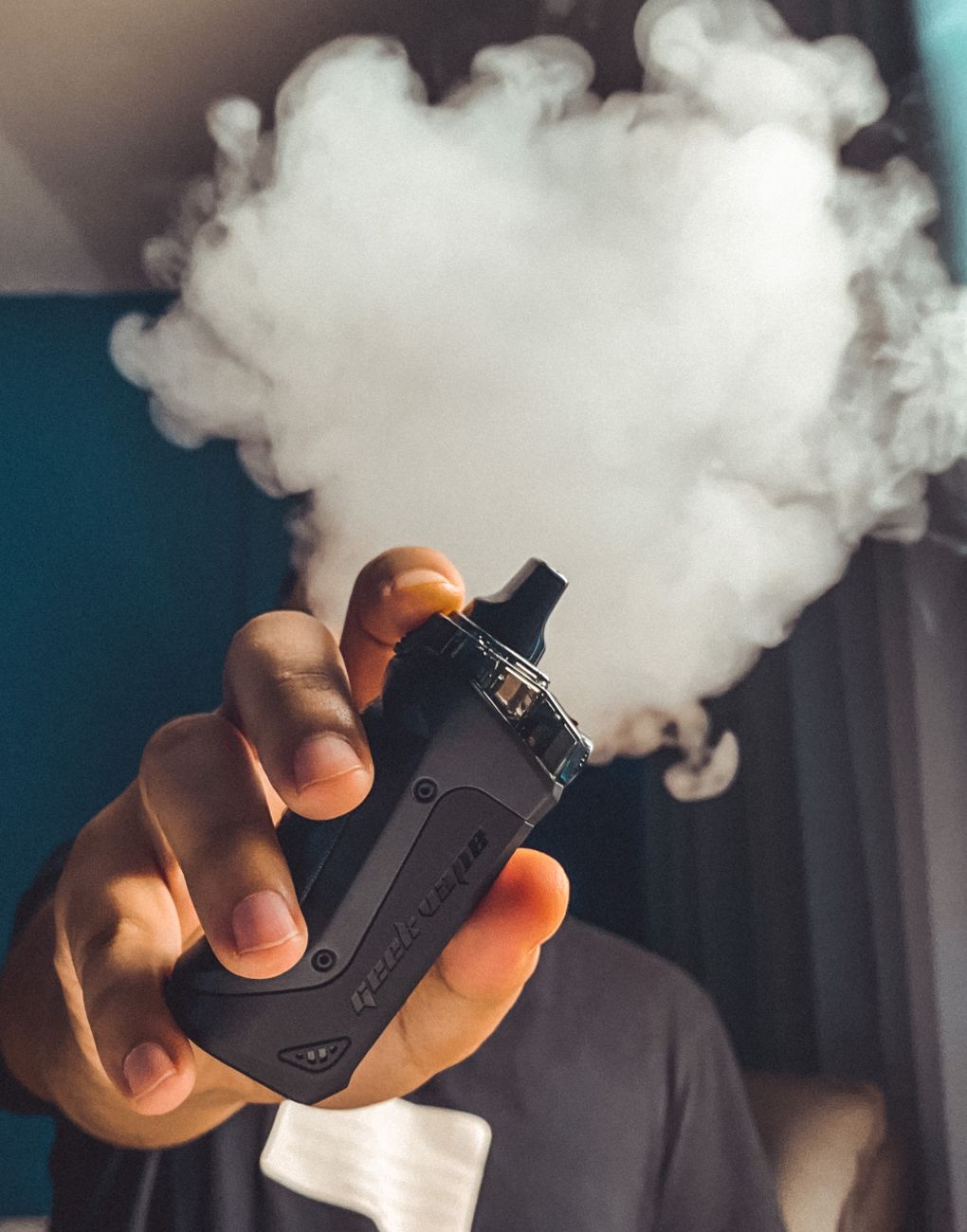
Five hundred miles from shore, smoke from a device no bigger than a pen is not a small incident. It is a shipboard response problem. At sea, where help is days away, even a small ignition source has to be treated seriously.
This is no longer a remote possibility. E-cigarettes are already part of life onboard many vessels. E-cigarettes, or vapes, have spread rapidly among seafarers, often seen as a cleaner, more convenient alternative to smoking. But in the maritime world, where response options are limited and help is rarely close, the e-cigarettes introduce dangers that can no longer be ignored.
Vaping at Sea: Rising Use and Misconceptions
Vaping is marketed as safer than smoking. Many crew members adopt it to avoid the smell of tobacco, bypass designated smoking areas, or as a supposedly healthier alternative. Among younger seafarers, especially Gen Z, vaping is also seen as a lifestyle choice, a way to look modern or “cool.” But this sense of safety and status is misleading, especially offshore.

From a health standpoint, evidence is no longer easy to dismiss. Johns Hopkins University (2025) linked exclusive e-cigarette use to higher risks of chronic obstructive pulmonary disease (COPD, a progressive lung disease that makes breathing difficult) and elevated blood pressure. A 2019 European Heart Journal trial showed that even short-term vaping impairs vascular function. And a 2023 review in Frontiers in Public Health documented immediate effects: elevated heart rate, increased breathing frequency, and reduced oxygen saturation after only 20 minutes of use.

The risks don’t stop with users. Second-hand vapor, when released in confined ship compartments, exposes non-users. One Indoor Air study (2020) found vaping indoors significantly raises levels of fine particles, nicotine, aldehydes, and heavy metals, sometimes at levels comparable to cigarettes. On land this is worrying; at sea, in sealed cabins and lounges, it becomes a health risk for the entire crew.
Most seafarers already comply with smoking policies and use designated smoking areas. The problem with vaping is that it is often used discreetly outside those areas, bypassing established safeguards and spreading exposure where it cannot be controlled. This is how many shipboard control gaps begin, a personal habit becomes normal onboard before the SMS has properly defined it.
Worse still, black-market vape liquids have been found laced with dangerous additives such as etomidate, a potent anesthetic with potentially lethal consequences (Reuters, 2023).
Fire Hazard
Health risks are serious, but at sea there is one danger that overshadows all others: fire. Like many other modern devices, e-cigarettes rely on lithium-ion batteries. While safe under proper handling, these small cells can overheat or ignite when damaged or overcharged. The risk amplifies in unmonitored spaces. Between 2015 and 2016, the U.S. Navy documented 15 cases of e-cigarette battery malfunctions aboard ships, submarines, and aircraft (WKAR News, 2017).
On land, such incidents are dangerous. At sea, they become a shipboard fire response problem. The vessel has to manage the event with its own people, equipment, and time. One failed battery inside the accommodation is no longer just a personal injury case.

Why Ban E-Cigarettes if Cigarettes Are Still Allowed?
It’s a fair question, if conventional cigarettes are permitted, why not e-cigarettes? The answer is not that cigarettes are safe, they are undeniably harmful and a leading cause of preventable disease worldwide. The difference lies in three critical factors:
- Health risks still being understood: Cigarettes harms are well documented; e-cigarettes introduce evolving, poorly understood risks.
- Health risks still being understood: Lithium-ion battery explosions are not an issue with tobacco.
- Health risks still being understood: Disposable vapes generate plastic and chemical waste, complicating onboard disposal.

Traditional smoking is already managed through designated areas and long-standing fire-control protocols. Vaping, however, bypasses these safeguards and introduces risks that cannot be contained.
Many shipping companies have amended smoking policies to include e-cigarettes. That may look sufficient on paper, but it does not fully control the item. A vape is not only a smoking issue. It is also a charging, storage, disposal, declaration, and enforcement issue.
Governments Are Already Cracking Down
Globally, regulators are tightening control, vaping is not a lifestyle choice but a serious safety and health issue.
- Singapore: E-cigarettes are fully banned; possession or use carries fines up to S$2,000, while importers and sellers face penalties of up to S$20,000 and 12 months’ jail and from September 2025, drug-laced vapes fall under the Misuse of Drugs Act, with punishments as severe as 20 years’ imprisonment and caning.
- India: Nationwide ban since 2019. First offenses carry up to 1 year in prison and a fine of ₹1 lakh (~$1,400). Repeat offenses rise to 3 years and ₹5 lakh (~$7,000) (Global News, 2019).
- Vietnam: Tourists caught with e-cigarettes can be fined up to $78, while traffickers face up to 15 years in prison (SCMP, 2023).
- Australia: Nicotine vapes require a prescription. Violations may lead to multi-million-dollar fines or up to 7 years’ imprisonment (Australian Dept. of Health, 2024).
- Thailand & Mauritius: Strict bans, with penalties including fines up to $900 and custodial sentences of up to 10 years (ECigator, 2023).
For ships, this is not just a legal footnote. During customs inspections, undeclared or prohibited vapes can trigger fines, detentions, and reputational damage. A single undeclared device can delay a vessel, strain charterer relations, and even complicate insurance claims.

The Path Forward for Shipping Companies
Given these risks, the shipping industry should not leave this grey area to the vessel. Companies should-
- Implement a Comprehensive Ban: Prohibit e-cigarettes across all vessels, aligning with international regulations.
- Educate Crew Members: Training should cover not only health and fire hazards but also the serious legal risks at customs checkpoints.
- Enforce Policies Rigorously: Treat violations as safety breaches, with clear consequences.
- Provide Safer Alternatives: Offer nicotine replacement therapies, onboard wellness programs, or stress-management resources to support quitting.
The DeepDraft View: Prevention Must Come Before Reaction
Shipping is an industry where safety margins are razor thin. Fires spread faster, help is further away, and mistakes are costlier than on land.
Neither cigarettes nor e-cigarettes belong on ships in the long run. Both harm health, but only one e-cigarettes adds explosive batteries, unknown chemicals, and international legal complications to the mix.
The combination of health dangers, fire hazards, environmental waste, and severe global penalties forms an undeniable case for decisive action. If governments worldwide treat vaping as a security and health threat, why should ships, arguably the most vulnerable workplaces on Earth, be any different?
The verdict is clear. E-cigarettes are one risk ships can no longer afford. A full ban is not just advisable…… it is essential.
Media Section
References
- Johns Hopkins Medicine (2025) – Exclusive e-cigarette use linked to COPD and blood pressure risks.
- European Heart Journal (2019) – Short-term e-cigarette exposure impairs vascular function.
- Frontiers in Public Health (2023) – Immediate cardiovascular and respiratory effects of vaping.
- Indoor Air (2020) – Indoor vaping increases particles, nicotine, aldehydes, and metals.
- U.S. Navy (2017) – 15 e-cigarette battery malfunctions on ships, submarines, aircraft.
- Reuters (2023) – Singapore: etomidate-laced pods, severe penalties.
- MOH Singapore (2023) – Updated fines and jail terms for vaping offenses.
- Global News (2019) – India: nationwide ban on e-cigarettes.
- SCMP (2023) – Vietnam: fines and prison for vaping.
- Australian Dept. of Health (2024) – Prescription-only nicotine vapes.
- ECigator (2023) – Thailand and Mauritius bans with fines and jail.



Leave a Reply