
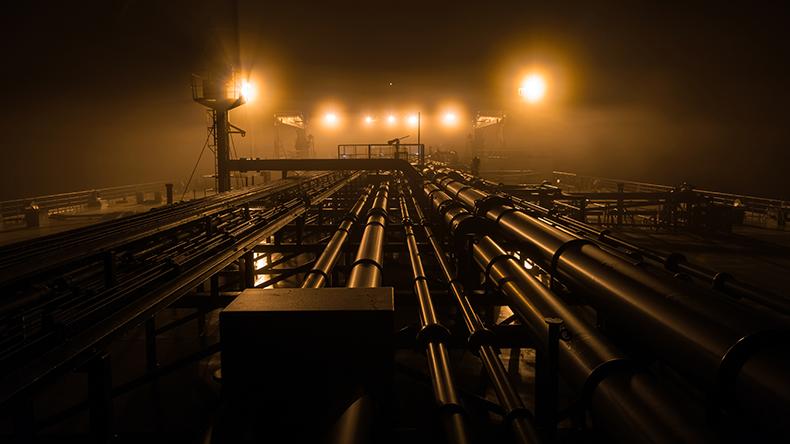
A SIRE 2.0 observation exposed a painted-over opening on a tanker deck light. The light was working, but was its explosion protection intact, and why had earlier safety inspections missed it?
A recent inspection observation submitted by a seafarer through DeepDraft’s SIRE 2.0 module caught my attention. The platform allows seafarers to share anonymised observations received during inspections, and this particular submission concerned Question 5.8.1. According to the submitted observation, the vessel’s deck safety inspections had been completed and recorded, but openings described as relief holes on deck-light fittings were found painted over. The accompanying officer was also unable to explain clearly what those openings were intended to do.
I was familiar with the general principle of flameproof electrical equipment, but I had never examined the purpose of these particular openings in much detail. The observation prompted me to look more closely at the construction of Ex d deck lights, the function of their protective features and the consequences of covering them with paint or sealant. It also raised a practical concern about how effectively we inspect electrical fittings installed in hazardous areas.
Safety Inspections and the Condition of Deck Lighting
Safety inspections form part of the Safety Management System on tankers, bulk carriers and other merchant vessels, with procedures and equipment-related hazards varying by vessel type. On tankers, SIRE 2.0 Question 5.8.1 specifically addresses the effectiveness of main-deck safety inspections, including the condition of lighting installed in gas-hazardous areas.
OCIMF’s SIRE 2.0 guidance specifically identifies paint covering safety features of light fittings, including relief holes and passages, among potential inspection deficiencies. It also highlights damaged casings, missing bolts and inappropriate gaskets between mating surfaces, demonstrating that the inspection must consider the condition of explosion-protection features rather than simply whether the light operates.
The next consideration is whether the light is installed in a hazardous area. On tankers, the approved Hazardous Area Classification Plan identifies the relevant locations. The fitting’s marking and certification must be checked against the location’s requirements, including gas group, temperature class and Equipment Protection Level. Ordinary non-Ex lighting may be acceptable in non-hazardous areas, whereas classified hazardous locations require appropriately certified equipment. Similar considerations arise on other vessel types wherever electrical installations are exposed to potentially explosive atmospheres.

How Flameproof (Ex d) Lighting Works
Flameproof electrical equipment, identified by the protection marking Ex d, is designed to withstand an internal explosion without allowing flame to propagate into the surrounding explosive atmosphere. These enclosures are not necessarily gas-tight, and flammable gases or vapours may enter through flameproof joints or other permitted passages. If an explosive mixture ignites inside the enclosure, the housing must withstand the resulting pressure under its certified test conditions while preventing ignition of the external atmosphere.
This protection depends on the enclosure’s construction and its flameproof joints, commonly known as flamepaths. These are precisely engineered surfaces or passages through which hot gases from an internal explosion may escape and cool sufficiently to prevent flame transmission. The dimensions and condition of these joints are critical to maintaining the equipment’s certified protection.
The integrity of the arrangement also depends on the cover bolts, glass assembly, cable entries and other approved components. Missing fasteners, damaged flamepaths or unauthorised modifications can compromise explosion protection even when the equipment continues to operate normally.

The Small Opening: Relief Hole, Breather or Drain?
The small opening mentioned in the inspection observation raises an important technical question. Is it intended to release pressure during an internal explosion, or does it serve another purpose? Some flameproof enclosures incorporate certified breathing or draining devices to allow air exchange or accumulated moisture to escape. These devices may contain sintered metal elements or specially designed flameproof passages that permit their intended function while preventing flame transmission to the surrounding atmosphere. However, not every visible opening on an Ex d fitting serves the same purpose, and its function cannot be established from appearance alone.
IEC 60079-1:2014 addresses breathing and draining devices under Clause 10 and specifically recognises that contamination, including accumulated paint or dust, can render them inoperative. The standard also distinguishes these devices from arrangements intended to relieve pressure during an internal explosion. OCIMF’s inspection guidance uses the term “relief holes and passages”, but that wording does not establish that every opening is an explosion-pressure relief device. Its actual purpose must be established from the manufacturer’s drawings and certification documents. If paint has obstructed a certified feature, the effect on the fitting’s intended operation and explosion protection requires proper technical assessment.

A similar problem of identifying equipment from its external appearance was examined in The Deck Seal That Looked Wet, where understanding the internal operating principle proved essential to correctly identifying the safety device.
When Routine Maintenance Interferes With Explosion Protection
Deck lighting is continuously exposed to salt water, weather and corrosion, making painting and sealing common maintenance activities. However, on flameproof electrical equipment, these seemingly harmless practices can interfere with the certified construction. Paint may obstruct breathing or drainage passages, conceal identification markings or contaminate flameproof joints. Similarly, applying silicone sealant to prevent water ingress may inadvertently block a designed opening or alter the mating surfaces of an enclosure.
Painting an Ex d enclosure is not necessarily prohibited, provided it complies with the manufacturer’s instructions. Many fittings have factory-applied protective coatings, while some certified designs incorporate gaskets, O-rings or specified sealing compounds. However, IEC 60079-1:2014, Clause 5.1, prohibits paint or powder coating on flameproof joint surfaces. The concern arises when materials are applied without reference to the manufacturer’s instructions, particularly around flameproof joints and functional openings. Removing an obstruction without understanding the component can also cause damage, especially where sintered elements or precision-machined surfaces are involved. Any suspected interference with the certified protection should therefore be assessed and rectified using the manufacturer’s approved procedures.

Reading this as a maritime insider, seafarer, or enthusiast?
Subscribe to The DeepDraft for maritime analysis, daily SITREP updates, weekly briefings, and operational signals worth watching.
Documented Cases: Shipboard and Shore-Based Inspections
Similar defects have been documented in both maritime and industrial inspections. In December 2019, Hyundai Ocean Service reported a significant near miss involving Ex d deck lights and junction boxes whose openings and joints had been sealed with silicone to prevent water ingress. Although the practice had previously been identified during an internal audit, a subsequent SIRE inspection again found silicone applied to a light’s flamepath. The company responded with corrective maintenance, crew training and fleet-wide instructions.
A UK Health and Safety Executive inspection project covering 12 industrial installations in 2001-2002 identified overpainting that sealed flamepaths or obscured equipment rating plates as the most common physical defect, followed by missing flange bolts. Only one installation had no problems identified. Although these were shore-based facilities, the findings illustrate how apparently well-maintained electrical equipment can conceal defects affecting explosion protection, particularly when inspection and maintenance personnel lack sufficient technical understanding.

The DeepDraft View: Beyond the Inspection Checklist
The Hyundai case and the HSE inspection project raise a broader concern about the effectiveness of shipboard safety inspections. A deck light may be inspected repeatedly, recorded as satisfactory and remain operational despite an alteration to one of its protective features. The problem is whether the personnel conducting them understand what constitutes a defect and when specialist assessment is required.
The officers responsible for safety inspections should be familiar with the relevant precautions, particularly following deck painting, replacement of light fittings or repairs undertaken to prevent water ingress. During painting, crews should be reminded to protect identification plates, manufacturer-specified openings and accessible flameproof joint surfaces from inappropriate coatings. Any suspected obstruction, unauthorised sealing or damage to a flameproof joint should be recorded and referred to personnel competent in hazardous-area electrical equipment. IEC 60079-17:2023 addresses the inspection and maintenance of electrical installations in hazardous areas. Rectification must follow the manufacturer’s instructions rather than an improvised shipboard solution.
From a shipboard management perspective, the Hyundai case raises another concern. The inappropriate maintenance practice had already been identified during an internal audit, yet it was subsequently observed during a SIRE inspection. When an inappropriate maintenance practice continues after an audit finding, the problem extends beyond individual crew knowledge to the effectiveness of corrective-action follow-up and technical supervision. For the Master, the concern is whether the practice has actually changed onboard, rather than whether the observation has simply been closed in the records.

References and Technical Sources
- OCIMF. SIRE 2.0 Question Library, Part 1, Version 1.0, January 2022, Question 5.8.1.
- IEC 60079-1:2014. Explosive Atmospheres, Part 1: Equipment Protection by Flameproof Enclosures “d”, Clauses 5.1, 10.1 and 10.2.
- IEC 60079-1:2026. Explosive Atmospheres, Part 1: Equipment Protection by Flameproof Enclosures “d”.
- IEC 60079-17:2023. Explosive Atmospheres, Part 17: Electrical Installations Inspection and Maintenance.
- IMO. MSC.1/Circ.1557/Rev.1, Revised Hazardous Area Classification.
- Hyundai Ocean Service. Safety Compass, December 2019, page 3.
- UK Health and Safety Executive. Flammable Atmosphere Electrical Equipment Project 2001/2002, Conclusions Report.
- Hawke International. Type 489 Ex d Breather Drain, IECEx Certificate BAS 11.0076X.
- R. STAHL. Operating Instructions, Pendant LED Series 6057.
SIRE 2.0, Ex d, Flameproof Lighting, Hazardous Areas, Deck Lighting, Electrical Safety, Tanker Inspections, Breather Drains


Leave a Reply