

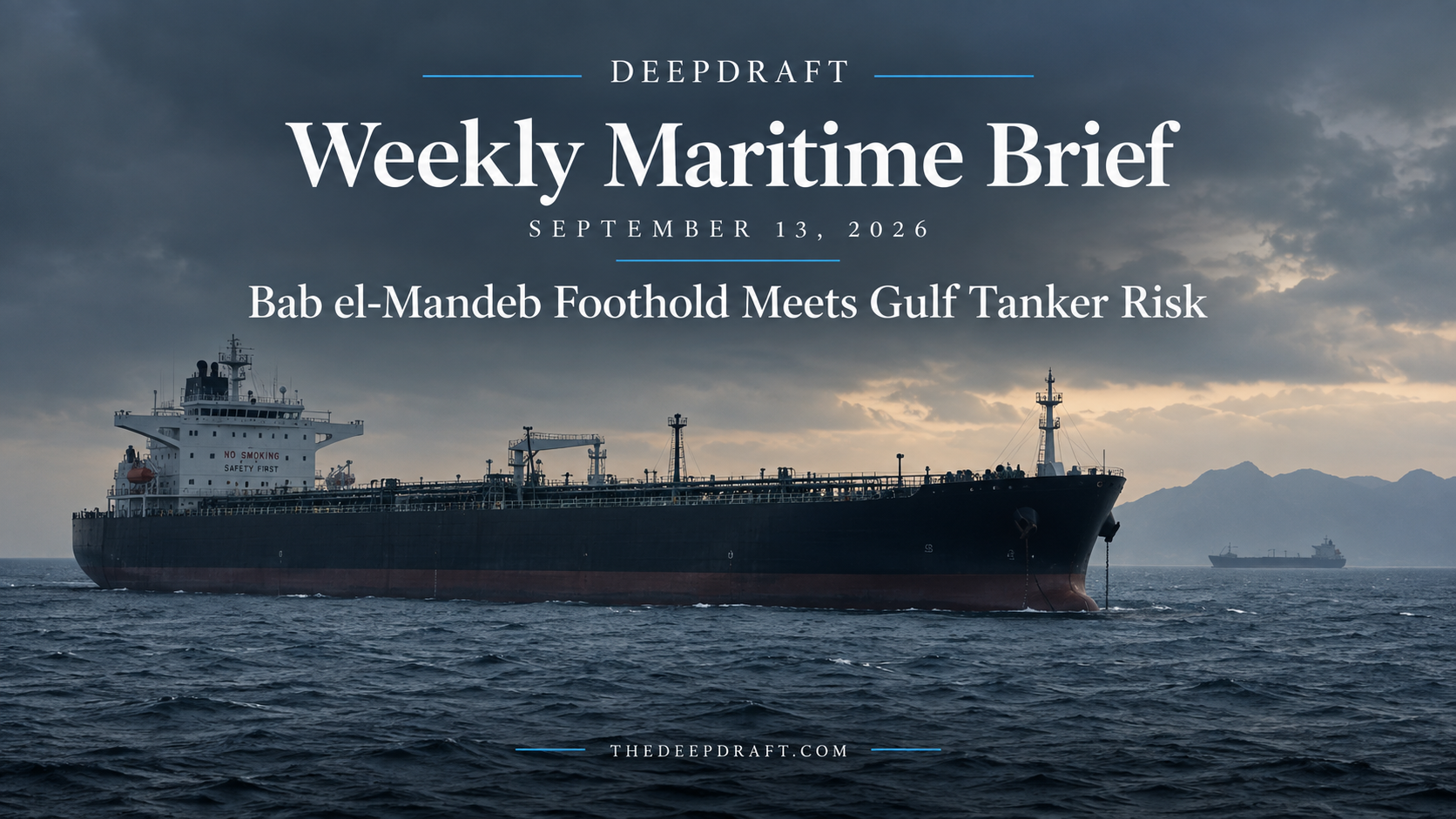
The operational picture has shifted from tanker attacks to voyage disruption. Multiple tankers have turned back from the Strait of Hormuz as insurers reprice Gulf voyages and operators reassess transit risk.
1. Tankers Turn Back From Hormuz After Attacks
• Four oil and gas tankers turned back from the Strait of Hormuz following attacks on Al Rekayyat, Wedyan and a third tanker.
• The turnbacks represent the first clear operational consequence beyond the attacks themselves, with voyage plans now being altered before transit.
• Commercial operators are reassessing Gulf voyages as security exposure and insurance costs continue to rise.
• Masters should expect increased routing scrutiny, enhanced reporting requirements and possible last-minute charter instructions.
2. Al Rekayyat Casualty Keeps LNG Security Risk Active
• The Qatari LNG carrier Al Rekayyat remains under casualty management following the reported projectile strike and engine-room fire.
• Salvage planning and exclusion-zone management continue while authorities monitor the vessel’s condition.
• The casualty remains an operational consideration for LNG traffic transiting nearby Gulf routes.
3. War-Risk Market Resets Gulf Voyage Economics
• War-risk underwriters have advised some owners to delay or suspend Hormuz transits pending further assessment.
• Premiums have reportedly risen sharply, materially increasing voyage costs for crude, product and LNG movements.
• Charterers should reassess laycans, deviation rights, off-hire exposure, war-risk clauses and cargo commitments before confirming Gulf fixtures.
4. Wider Maritime Security Picture
• Ukraine has reported further strikes against Russian shipping assets in the Sea of Azov and northern Black Sea, extending regional maritime security concerns.
• Search operations continue after the wreckage of a missing K2 Airways cargo aircraft was located off Ormara, Pakistan. While significant for SAR authorities, the event does not materially alter commercial maritime operations today.
Strategic Summary & Actions Required
• Masters approaching Hormuz should obtain the latest UKMTO/JMIC guidance and company security instructions before committing to transit.
• Ship managers should review war-risk cover, charterparty obligations and contingency routing for Gulf voyages.
• Charterers should re-evaluate voyage economics in light of higher insurance costs and possible transit delays.
• Fleet operations teams should maintain enhanced voyage reporting and preserve bridge, AIS and voyage records should security incidents occur.
Operational Status
CRITICAL RED — Strait of Hormuz voyage disruption / tanker turnbacks / escalating war-risk exposure / active commercial routing consequences
Latest DeepDraft Analysis
Similar-Size VLCC STS: The Risk After All Fast
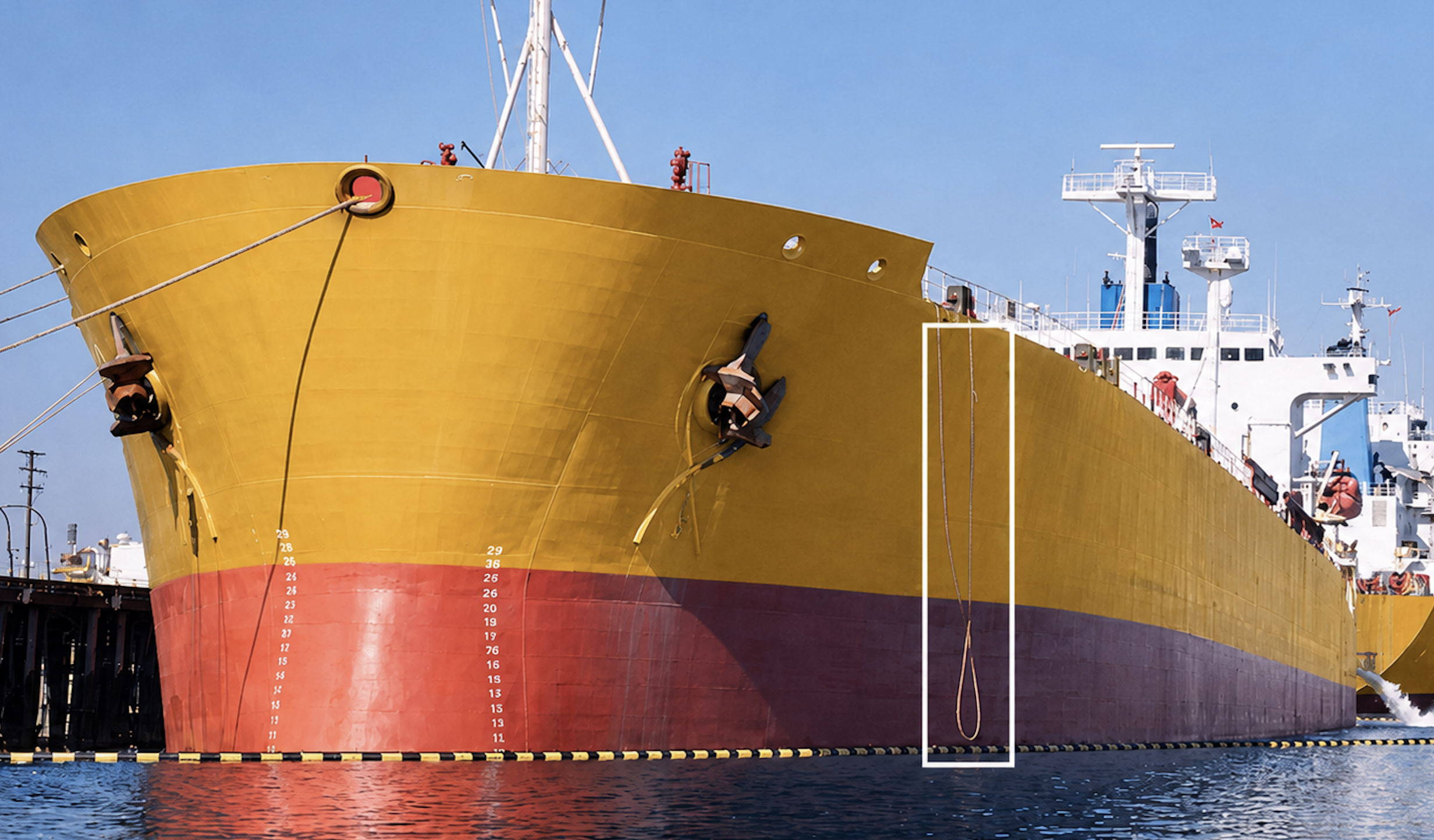
Similar-size VLCC ship-to-ship transfers demand disciplined planning, fender management and communication, as small control failures can rapidly escalate into high-consequence marine casualties.
Related DeepDraft Articles & Analysis
Sources
Reuters, UKMTO/JMIC, IMO, Financial Times, The DeepDraft
This update is part of the DeepDraft SITREP series covering developing maritime operational situations.

Leave a Reply