

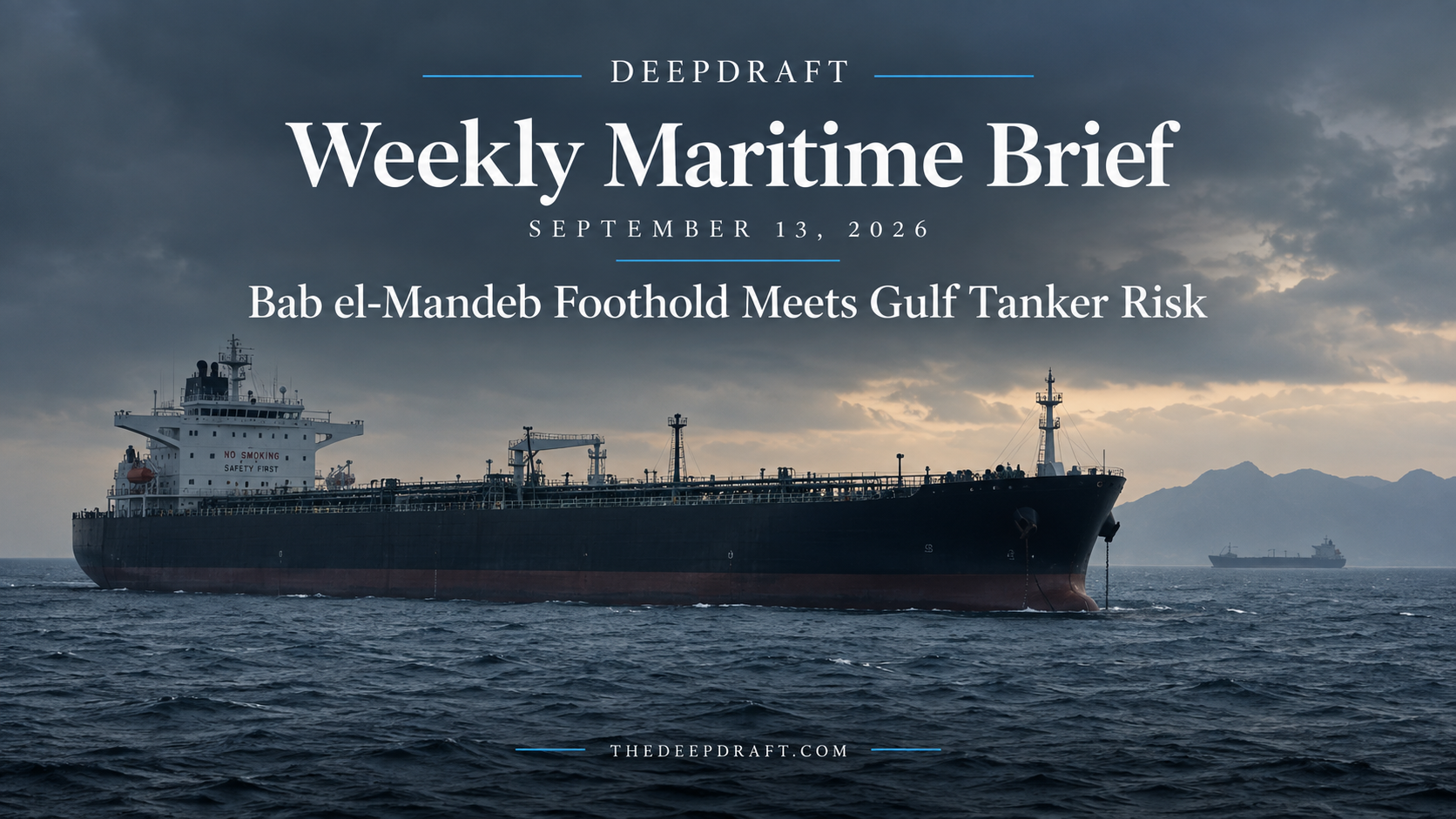
Three tanker attacks near the Strait of Hormuz have moved Gulf transit risk back from controlled recovery into active kinetic exposure.
Al Rekayyat, Wedyan and a third tanker now reset the operating picture for LNG, crude and Gulf exit planning.
1. Al Rekayyat and Wedyan Hit Near the Strait of Hormuz
• The Qatari LNG tanker Al Rekayyat was struck near the Strait of Hormuz and suffered a fire near the engine room, creating a reported explosion risk.
• A Saudi-flagged crude tanker, identified in reporting as Wedyan, also sustained structural damage in the same operating cycle.
• Reuters reported three tanker vessels were attacked in or near the Strait of Hormuz, including the Qatari LNG carrier, the Saudi crude tanker and a third vessel later struck by a UAV.
• Qatar formally protested to Iran over the targeting of Al Rekayyat, while Saudi Arabia also condemned the attacks as a threat to international navigation and energy supply.
2. UKMTO and JMIC Shift Hormuz Back Into Severe-Threat Transit
• UKMTO reported attacks on commercial vessels using the southern route through the Strait of Hormuz off Oman.
• JMIC raised the Hormuz shipping threat level to severe, marking a renewed escalation after the partial transit recovery.
• A third tanker strike involved an unknown UAV, minor structural damage, no casualties and no pollution, with the vessel continuing toward its next port.
• Masters transiting the area should treat the event as a live hostile-action environment, not a residual risk from previous Hormuz control measures.
Reading this as a maritime insider, seafarer, or enthusiast?
Subscribe to The DeepDraft for maritime analysis, daily SITREP updates, weekly briefings, and operational signals worth watching.
3. Freight, Oil and Route Economics Move After the Attacks
• Oil prices have moved higher after the tanker strikes and the renewed Hormuz threat escalation.
• The United States revoked a license that had allowed Iranian oil sales, adding a sanctions and cargo-screening layer to the security shock.
• Gulf tanker loading rates reportedly climbed toward USD 300,000 per day, compared with below USD 200,000 per day in the previous week.
• Reuters also reported Hormuz traffic dropped to about 16 transits on Tuesday, compared with 25 to 40 daily in the prior week and about 125 daily before the conflict.
4. AE15 Suez Return Adds a Route-Recovery Counterpoint
• Maersk and Hapag-Lloyd announced that the Gemini AE15 service will shift back to the trans-Suez route instead of sailing via the Cape of Good Hope.
• Maersk identified Majestic Maersk as the first sailing under the AE15 structural change.
• The move reduces Asia-Europe passage time and tests whether Red Sea and Suez routing can be restored selectively under controlled risk.
• Operators should treat the Suez return as route-specific, not as a general normalization signal across Middle East chokepoints.
5. Wider Security Layer: Pacific Missile Test and East China Sea Standoff
• China test-launched a long-range ballistic missile from a nuclear-powered submarine into the Pacific with a dummy warhead, drawing regional concern from the United States, Australia, Japan and New Zealand.
• Japan and China traded conflicting accounts after coast guard vessels faced off near the Senkaku / Diaoyu Islands.
• These events raise the wider naval-risk background across Indo-Pacific operating areas but do not yet create the same immediate merchant-voyage consequence as the Hormuz tanker attacks.
• Fleet security desks should separate strategic naval signaling from direct merchant-shipping risk, while keeping bridge teams alert to NAVAREA warnings and coastal-state advisories.
Strategic Summary & Actions Required
• Masters approaching Hormuz should verify latest UKMTO, JMIC, NAVAREA and company security instructions before entering the Strait, with heightened watchkeeping, engine readiness and bridge-team logging.
• Ship managers should review war-risk cover, routing authority, CSO escalation thresholds, charterer instructions, crew-risk communication and incident evidence-preservation procedures for all Gulf-linked voyages.
• LNG and crude desks should reprice Gulf liftings against renewed kinetic exposure, reduced transit confidence, rising tanker rates, possible deviation, off-hire and demurrage exposure.
• Charterparty and legal teams should check sanctions, Iran-linked cargo screening, safe-port warranties, war-risk clauses, deviation language and refusal-of-orders provisions before confirming Gulf fixtures.
• Operators should not treat the AE15 Suez return as general Red Sea normalization while Hormuz is again producing live tanker damage and severe-threat warnings.
Operational Status
CRITICAL RED — Strait of Hormuz Tanker Attacks / JMIC Severe Threat / LNG and Crude Transit Exposure / Freight, Insurance and Routing Repricing
Latest DeepDraft Analysis
Similar-Size VLCC STS: The Risk After All Fast
https://thedeepdraft.com/2026/07/06/similar-size-vlcc-sts-the-risk-after-all-fast/
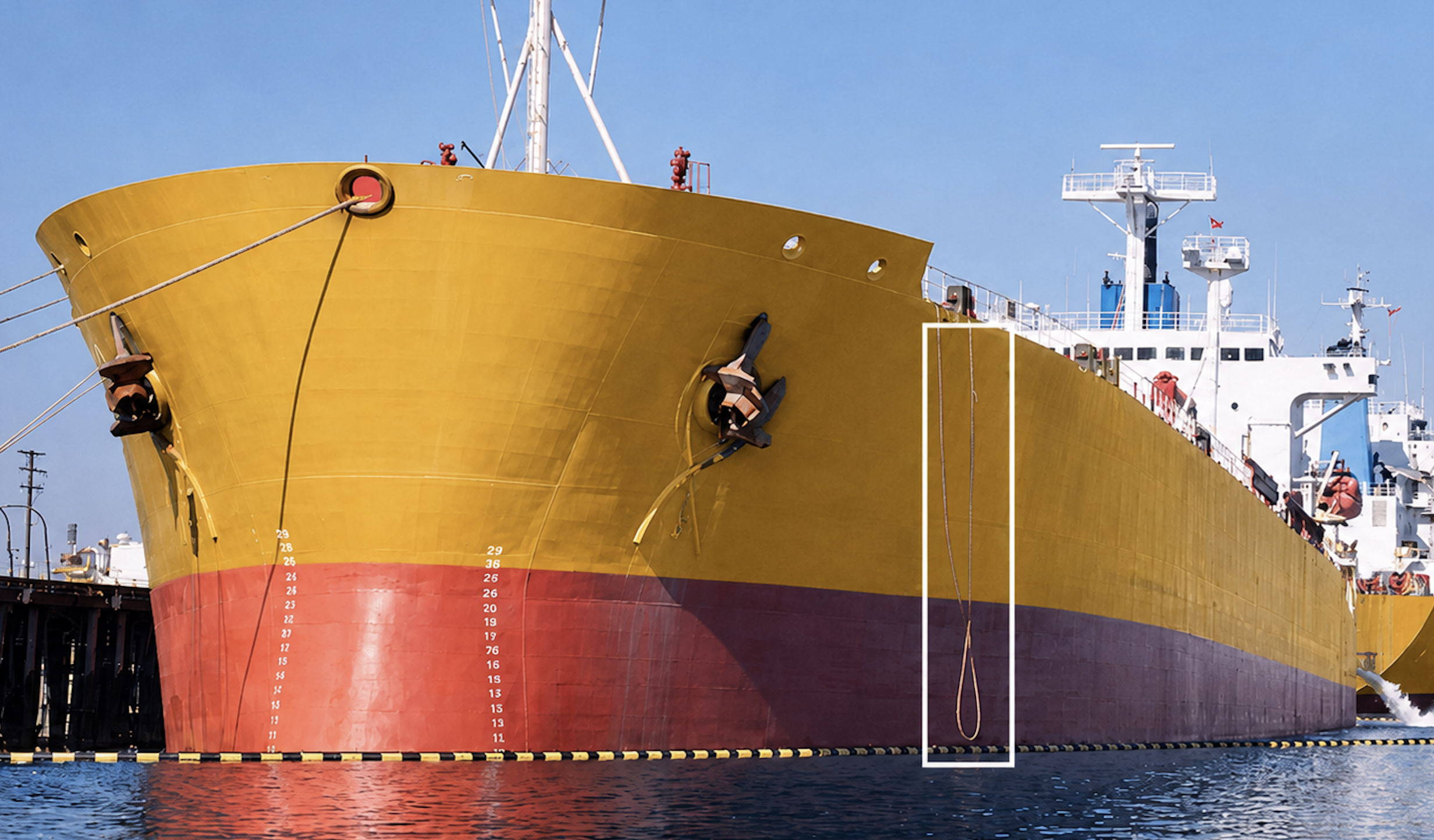
Similar-size VLCC STS operations remain vulnerable after mooring completion, where fender compression, hull interaction and delayed response can turn routine contact into casualty risk.
Related DeepDraft Articles & Analysis
Sources
Reuters, UKMTO, JMIC, The DeepDraft
This update is part of the DeepDraft SITREP series covering developing maritime operational situations.

Leave a Reply