
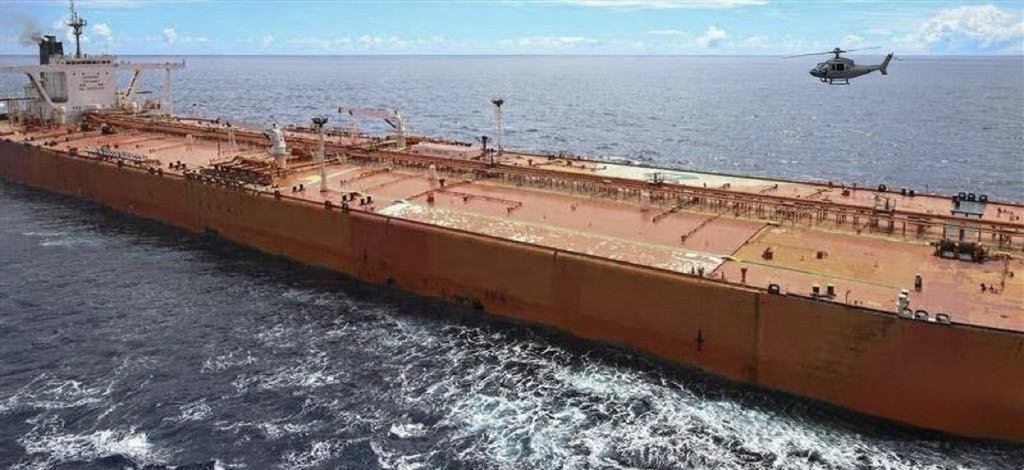
The Hormuz crisis has expanded beyond the Strait. US-led enforcement has shifted into a global interdiction campaign, targeting Iranian-linked cargoes deep into the Indian Ocean. For operators, this is no longer a chokepoint problem, it is a route-wide risk.
1. Global Interdiction: Blockade Moves Beyond Hormuz
- M/T Tifani boarded: US Marines intercepted and boarded VLCC Tifani near Dondra Head while carrying ~2 million barrels of Kharg-origin crude.
- Marks a clear shift to extraterritorial interdiction in INDOPACOM waters.
- Touska seized: Iranian-flagged cargo vessel taken under US control in the Sea of Oman; Tehran has labeled the act as piracy.
- Desh Garima arrival: SCI tanker completes escorted transit and reaches Mumbai on April 22, confirming Navy-directed movement remains viable.
2. Indian Naval Control: Sankalp in Full Escort Mode
- Indian Navy maintaining strict escort regime; ~14 Indian vessels remain on hold awaiting clearance.
- 15 nm exclusion from Larak Island remains mandatory due to EW and fortified coastal threat.
- Movement only permitted under direct naval instruction to avoid repeat firing incidents.
- Ceasefire extension has no impact on boarding operations — US enforcement remains active.
3. Operational Layer: Vetting, Identity, and Delay
- 52-hour vetting latency persists at Musandam under multi-layer verification.
- Boarding operations now combine cargo origin checks + identity validation.
- Indian-flagged vessels remain exposed to selective enforcement and misidentification risk.
4. Regulatory Front: IMO CVD Decision Critical
- ISWG-GHG discussions intensify around the Cape Voyage Deduction (CVD).
- Without approval, Cape rerouting emissions will push large segments of the fleet into Category D/E under CII.
- Outcome at MEPC 84 will directly impact charter viability of legacy tonnage.
Strategic Summary (For Masters & Ship Managers)
- Hormuz is no longer the boundary — risk now extends across the Indian Ocean.
- Naval-coordinated transit is the only stable pathway. Independent routing carries interdiction exposure.
- Cargo origin and vessel identity are now enforcement triggers. Documentation integrity is critical.
Operational Status
RED – Global Interdiction Active / Escorts: Mandatory (Indian Flag) / Transit: Controlled / Risk: Route-Wide
DeepDraft Update
This update is part of the DeepDraft Live Wire series covering developing maritime operational situations.
Latest Weekly Analysis
Unlimited Internet, Limited Attention: The Operational Risk on Modern Ships
Sources
- Economic Times
- Times of India
- Gulf News
- The Hindu
- Maritime Reporter
- Al Jazeera
- IMO / ISWG-GHG



Leave a Reply