The maritime operating environment in the Persian Gulf has moved beyond a localized security crisis and into a systemic disruption of commercial shipping norms. Structural implications are increasingly defined by the emergence of state-backed insurance facilities and naval escort frameworks replacing traditional market mechanisms. Operational risk remains elevated as kinetic engagements expand from mine-laying activities to direct strikes on energy infrastructure and merchant vessels. The regulatory environment is now characterized by a dual-authority dynamic in which shipowners must navigate competing coordination expectations from Western naval forces and Iranian authorities.
Weekly Analysis
The current escalation in the Strait of Hormuz reflects structural dynamics last seen during the 1980s Tanker War, particularly the collapse of independent navigation models in high-intensity conflict zones. Historical precedent suggests that once attacks on merchant shipping become indiscriminate, the operational viability of “dark transits” and independent routing deteriorates rapidly. Under such conditions, sovereign-protected convoy systems emerge as the only stable framework capable of sustaining energy flows through contested chokepoints. The present crisis has effectively bifurcated the global tanker fleet into vessels operating under state-supported protection and the broader commercial fleet forced into costly diversions around the Cape of Good Hope.
Operationally, this shift undermines the longstanding assumption of “identity-based safety,” where neutral flags or registry status provided a degree of protection. That assumption has now weakened significantly. Shipowners are increasingly constrained by the conditions attached to state-backed reinsurance and naval escort programs, which tie insurance availability to compliance with military routing protocols. The result is a gradual erosion of commercial autonomy in voyage planning and risk management, marking one of the most consequential structural shifts emerging from the current Gulf crisis.
Full analysis available on DeepDraft:
This Week in Maritime
US launches $20B insurance shield; India weighs naval escorts as Hormuz transits plummet 80%
The U.S. International Development Finance Corporation activated a $20 billion maritime reinsurance facility to provide government-backed hull and war risk coverage for vessels operating under naval protection. At the same time, the Indian Navy expanded escort coordination under Operation Sankalp to secure approximately 800,000 tonnes of stranded shipping capacity.
Read more: https://thedeepdraft.com/2026/03/10/live-wire-us-launches-20b-insurance-shield-india-weighs-naval-escorts-as-hormuz-transits-plummet-80/
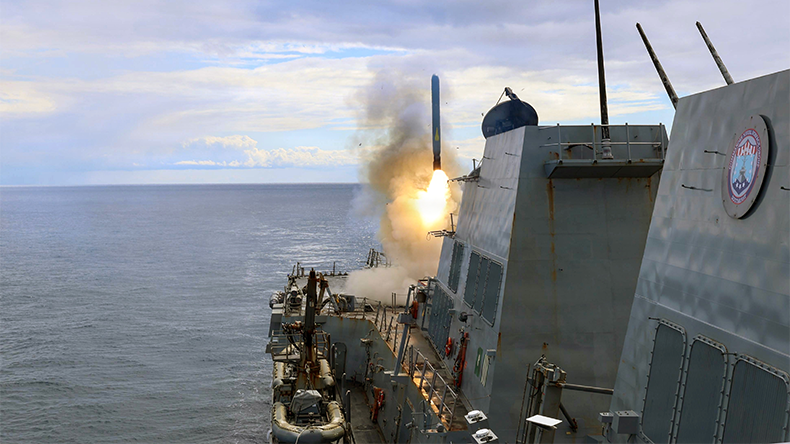
US destroys 16 Iranian mine-layers; Brent crude falls to $87 as IEA signals emergency oil release
U.S. Central Command confirmed the destruction of 16 Iranian vessels involved in mine-laying operations, reducing the immediate underwater threat in the Strait of Hormuz. Energy markets reacted quickly, with Brent crude falling to $87 as the International Energy Agency signaled readiness for a coordinated emergency oil release.
Read more: https://thedeepdraft.com/2026/03/11/live-wire-us-destroys-16-iranian-mine-layers-brent-crude-falls-to-87-as-iea-signals-emergency-oil-release/
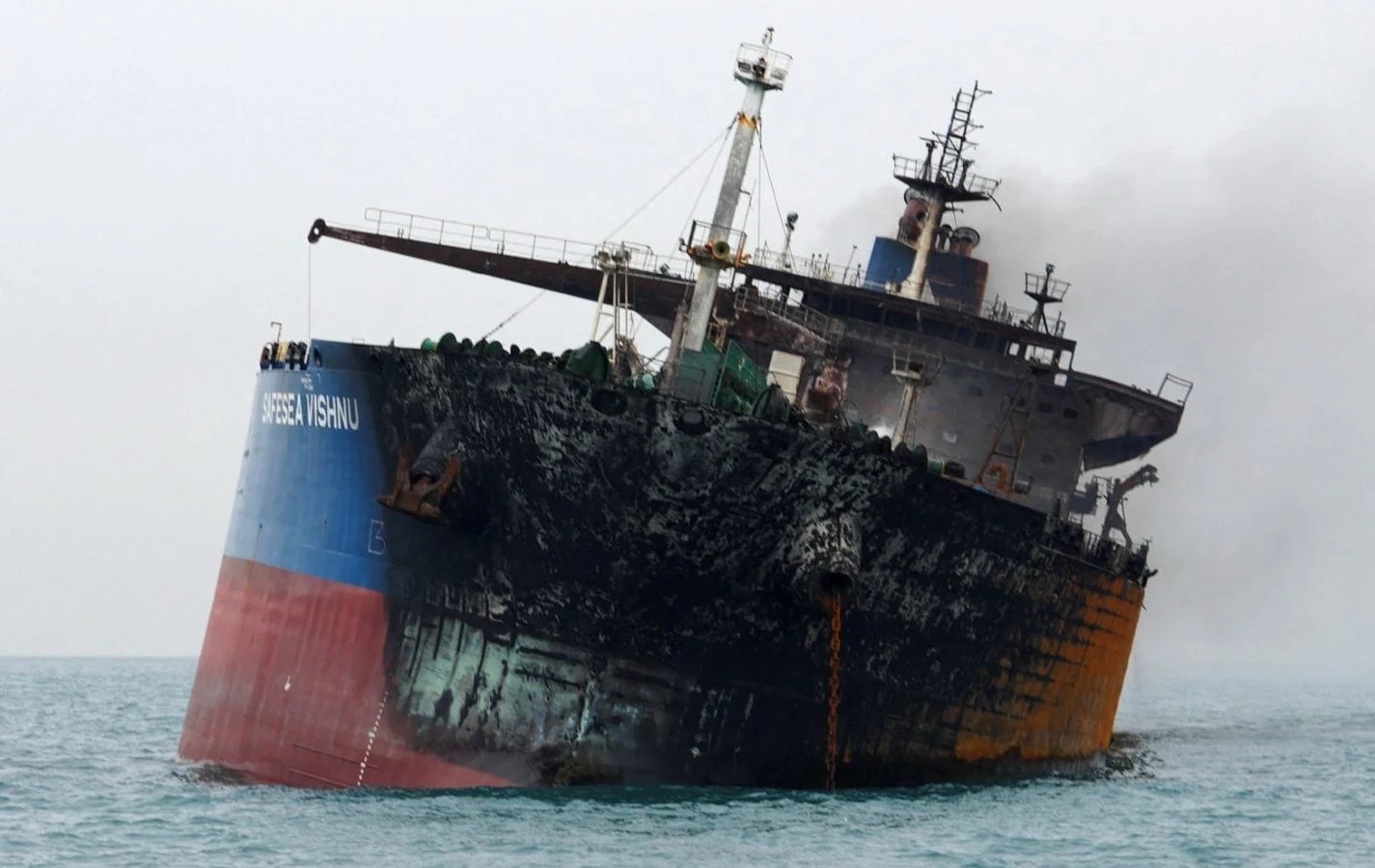
Iran says Strait of Hormuz open but demands naval coordination; Seafarer death toll rises after Safesea Vishnu strike
Tehran maintains that the Strait remains open under international law while demanding that merchant vessels coordinate movements with the Iranian Navy. The risk environment intensified following a projectile strike on the Marshall Islands-flagged Safesea Vishnu near Iraqi waters, resulting in the death of an Indian seafarer.
Read more: https://thedeepdraft.com/2026/03/13/live-wire-iran-says-strait-of-hormuz-open-but-demands-naval-coordination-seafarer-death-toll-rises-after-safesea-vishnu-strike/
US strikes Kharg Island military targets as first crude tanker clears Hormuz; merchant shipping risk remains elevated
U.S. forces targeted military infrastructure on Kharg Island, Iran’s primary oil export hub, signaling further escalation if interference with shipping continues. Although the Suezmax tanker Shenlong successfully completed a transit to India, the majority of commercial vessels remain stationary due to persistent kinetic threats and ongoing GPS interference.
Read more: https://thedeepdraft.com/2026/03/14/live-wire-us-strikes-kharg-island-military-targets-as-first-crude-tanker-clears-hormuz-merchant-shipping-risk-remains-elevated/
The coming week will test the operational viability of the emerging “sovereign corridor” model and whether state-backed insurance mechanisms can restore meaningful commercial transit through the Gulf.
This report is part of the DeepDraft Weekly Maritime Brief series tracking operational, regulatory, and security developments across global shipping.



Leave a Reply