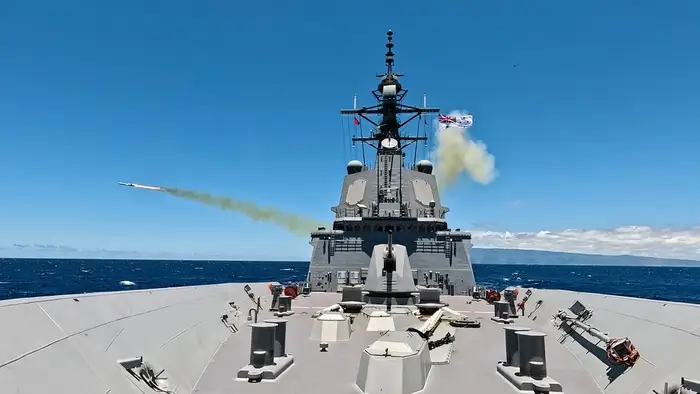
The maritime security environment in the Persian Gulf has entered a phase defined by electronic warfare and controlled interdiction. This week, sustained GNSS interference combined with coalition fragmentation has significantly reduced commercial traffic through the Strait of Hormuz. Operational risk now extends beyond kinetic threats to include degraded navigation reliability and increasing congestion across regional port infrastructure.
Weekly Analysis
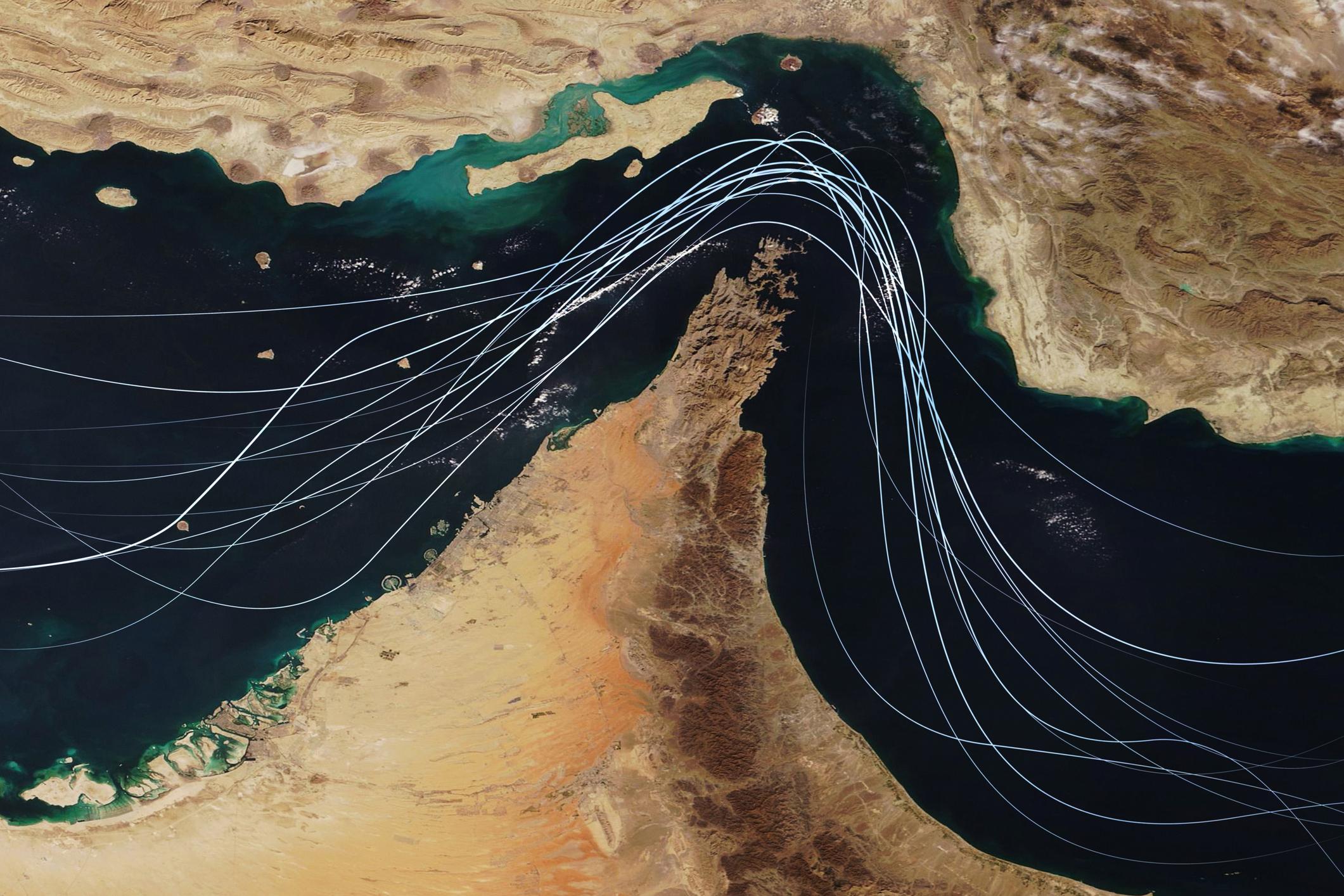
The primary issue this week is persistent GNSS interference and spoofing activity in high-threat corridors, particularly the Strait of Hormuz. Electronic spoofing has evolved into a tactical tool capable of manipulating ECDIS and AIS inputs without triggering immediate system alarms. For Masters and bridge teams, this environment requires a shift away from over-reliance on digital Positioning, Navigation, and Timing (PNT) data toward traditional navigation techniques to prevent grounding or unintended territorial incursions.
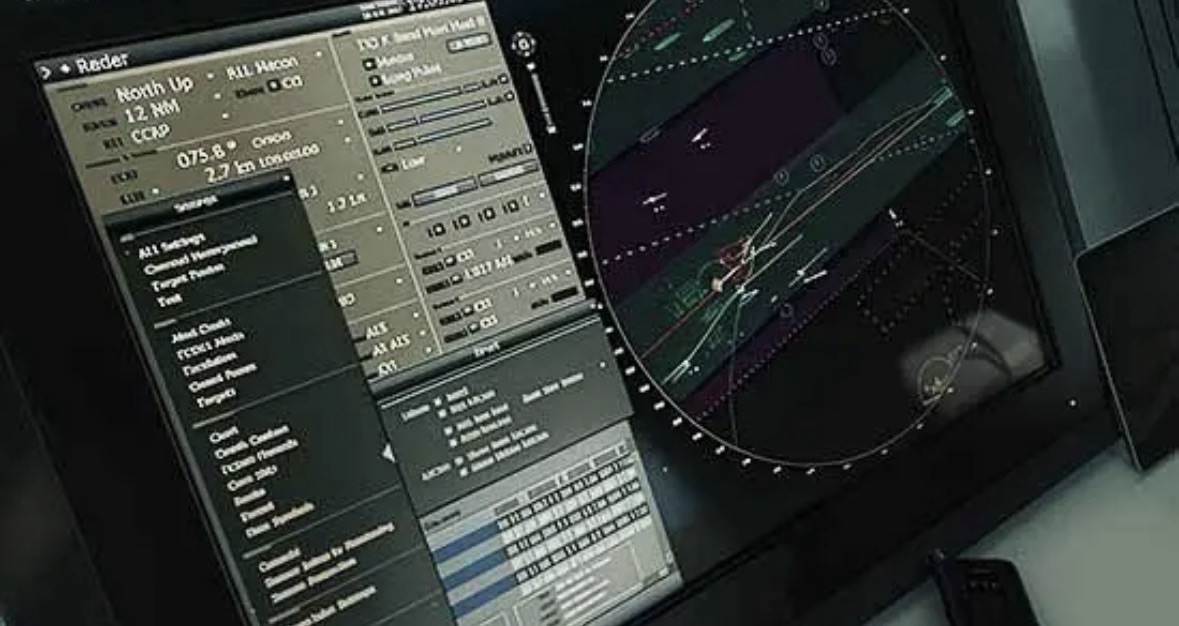
The operational implications are significant. Automated bridge systems cannot reliably distinguish between authentic and manipulated signals without human intervention, placing increased responsibility on bridge teams to verify position using radar, visual bearings, and manual fixes. This introduces an additional layer of liability, as Masters may unknowingly navigate using compromised PNT data, raising questions around compliance with COLREGs and safe navigation obligations. From a regulatory and commercial perspective, this exposes a critical gap in civilian maritime resilience against electronic warfare.
This Week in Maritime
Global Shipping Divergence and Coalition Friction
France’s refusal to join the Hormuz coalition signals a widening divide in maritime security coordination. This has created divergence in routing and escort requirements, forcing operators to align with different sovereign protection frameworks depending on their flag, cargo, and insurance structure.
Read more: https://thedeepdraft.com/2026/03/16/deepdraft-live-wire-global-shipping-bifurcation-dual-chokepoint-crisis-escalates-as-france-rejects-hormuz-coalition/
Strait Transits Collapse as Allied Coordination Weakens
Commercial traffic through the Strait of Hormuz has fallen to minimal levels, with only six vessels completing transits within a 24-hour period. The absence of unified convoy coordination among allied forces has left isolated vessels exposed, further discouraging independent transits.
Read more: https://thedeepdraft.com/2026/03/17/deepdraft-live-wire-strait-transits-near-zero-as-only-six-vessels-clear-hormuz-allied-coalition-fractures/
Risk Migrates to Fujairah as Port Infrastructure Saturates
As vessels avoid the Strait, congestion has shifted to Fujairah and surrounding anchorages, which are approaching maximum capacity. This creates secondary safety risks, including anchorage management challenges and logistical bottlenecks, while limited “selective verified transit” protocols are being tested for priority cargo.
Read more: https://thedeepdraft.com/2026/03/18/deepdraft-live-wire-risk-migrates-to-fujairah-hub-selective-verified-transits-emerge-as-gulf-ports-reach-saturation/
Ras Laffan LNG Damage and Coordinated Response Signals
Damage to the Ras Laffan LNG complex has intensified concerns over global energy supply resilience. In response, the G7 has indicated readiness to deploy additional naval resources aimed at securing export infrastructure and stabilizing maritime transit conditions.
Read more: https://thedeepdraft.com/2026/03/20/deepdraft-live-wire-ras-laffan-lng-complex-sustains-extensive-damage-g7-coalition-signals-readiness-for-hormuz-reopening/
IRGC Interdiction Warning and Controlled Tanker Exits
The IRGC has issued a comprehensive interdiction warning for unverified traffic, while a priority group of 22 tankers has commenced military-escorted exit from the Gulf. This reflects a transition toward tightly controlled, state-managed vessel movement as the prevailing operational model in the region.
Read more: https://thedeepdraft.com/2026/03/21/deepdraft-live-wire-irgc-issues-total-interdiction-warning-as-first-priority-22-tankers-begin-escorted-exit-from-gulf/
The coming week will indicate whether controlled escorted movements evolve into a stable convoy framework as port congestion and navigation uncertainty force a gradual resumption of commercial transits.
This report is part of the DeepDraft Weekly Maritime Brief series tracking operational, regulatory, and security developments across global shipping.

Leave a Reply