

As a large vessel left port, its starboard engine oil mist detector alarms sounded. Watchkeepers found water vapour from the return line. They considered this normal, and re-set the alarms. Soon, the starboard main engine lub oil filter sounded a high differential pressure alarm. This was eventually cleared after the alternate filter was brought into use. During the passage, the starboard main engine low lub oil pressure alarm sounded a number of times. These pressure fluctuations were of short duration and did not cause the engine auto-shut down device to operate. As the ship sailed into worsening weather, the watchkeeper saw white smoke from aft of the starboard main engine. He immediately operated the emergency shutdown. The turning gear was engaged, but the engine could not be turned. After cooling down, the crankcase was opened. The examination found white metal showing between the sides of No5 lower end bearing. The vessel proceeded to port using the port main engine. It was later found that several of the lower end bearings were seriously damaged. The crankshaft was condemned.
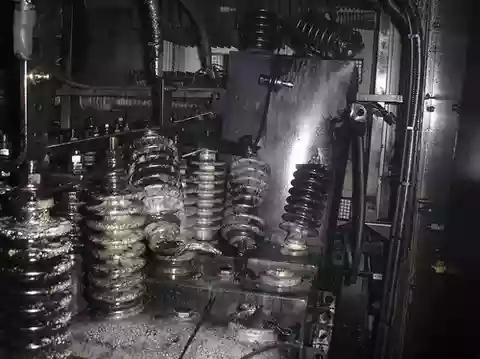
Investigation revealed that maintenance work was carried out to the starboard main engine before the vessel left port. During the overhaul of No2 unit, the cylinder liner was removed before the block had been drained down. This resulted in up to 300 litres of water entering the crankcase and into the lub oil sump tank. After the overhaul, the contents of the sump were circulated through a lub oil purifier to remove excess water. During the period between the water entering the crankcase and completion of the overhaul, it is probable that a large amount of the water had settled out and was in the lower part of the sump tank. With the purifier high suction being 0.4m above the tank bottom and in use and the full charge of 6,000 litres giving an oil depth of 0.7m, the excess water was well below the suction line. The engine’s recommended maximum water content in lub oil is 0.2% but the actual water content found after the bearing failure was 4%. This led to a reduction in the supply of oil to the bearings by partially blocking the filters; reducing the viscosity of the oil and raising the film operating temperature causing a reduction in the oil film thickness.
ShipHappens !
 The Deep Draft
Leave a comment