The maritime risk profile is shifting from kinetic disruption to administrative control. As of March 30, 2026, the focus has moved toward the weaponization of Port State Control in China, alongside a parallel strengthening of emergency infrastructure in India through the launch of designated Ports of Refuge. The operational environment is now defined as much by regulatory exposure as by physical transit risk.
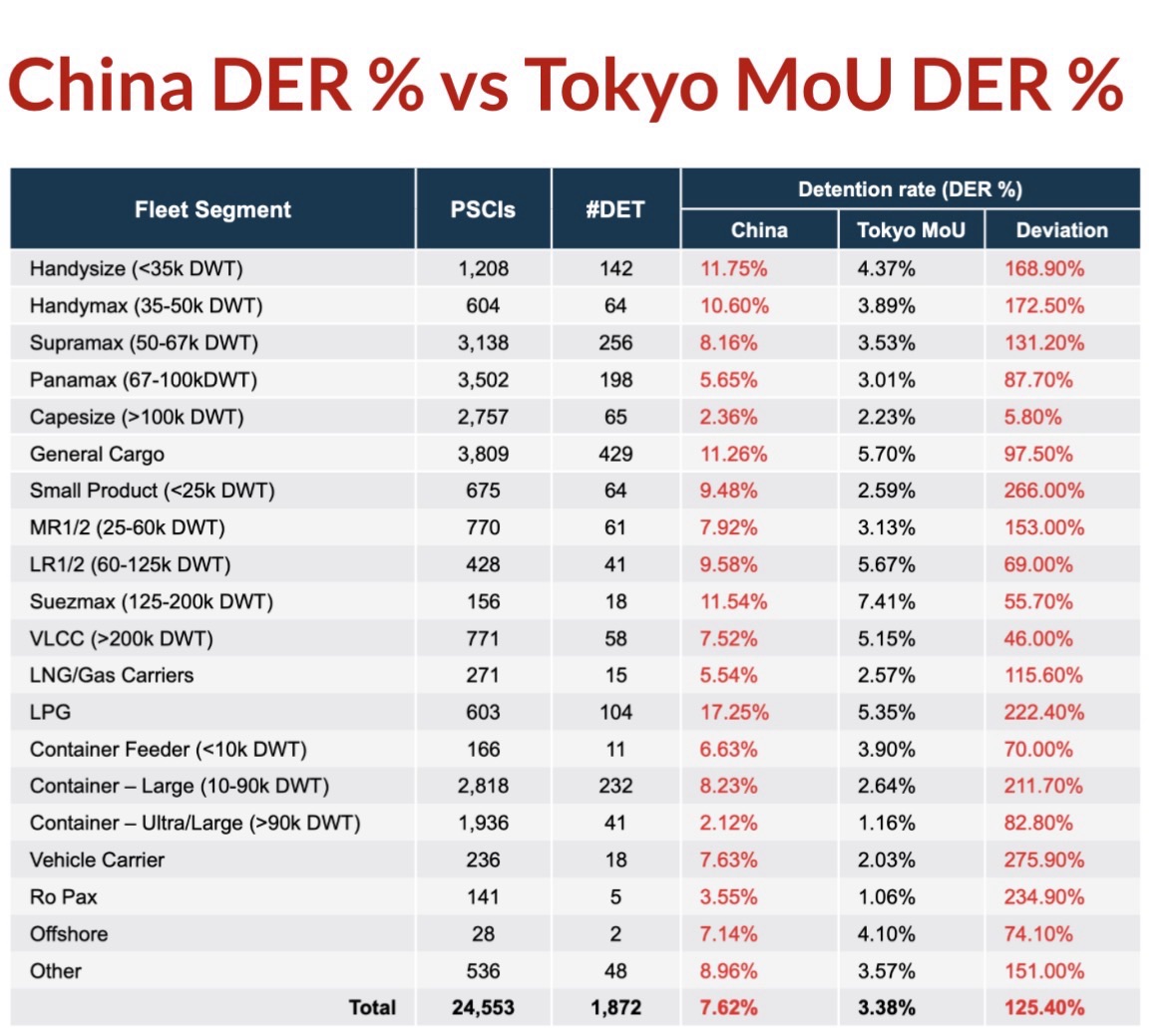
1. The Registry War: FMC Investigation into China’s Panama Detentions
• Investigation active: FMC has initiated an emergency probe into detention patterns in Chinese ports following a sharp spike in Panama-flag inspections.
• Detention surge: ~70 Panama-flagged vessels held since March 8 under PSC “Code 30,” representing a >400% increase over baseline levels.
• Trigger linkage: Detentions aligned with Panama’s termination of CK Hutchison concessions at Balboa and Cristobal.
• Fleet exposure: Japanese-controlled tonnage accounts for ~39% of detained vessels, highlighting indirect commercial impact of registry targeting.
2. Infrastructure Shift: India’s First Ports of Refuge Operational
• Framework active: Adani Ports (APSEZ) has operationalized India’s first formal Ports of Refuge (PoR) system.
• Locations:
• Dighi (West Coast) – Arabian Sea / Gulf traffic
• Gopalpur (East Coast) – Bay of Bengal / Malacca axis
• Capability: Integrated salvage, firefighting, and wreck removal support via SMIT Salvage and MERC under IG P&I standards.
• Operational significance: Establishes designated entry points for casualty stabilization without prolonged administrative denial.
3. Hormuz Stasis: April 6 Buffer Window
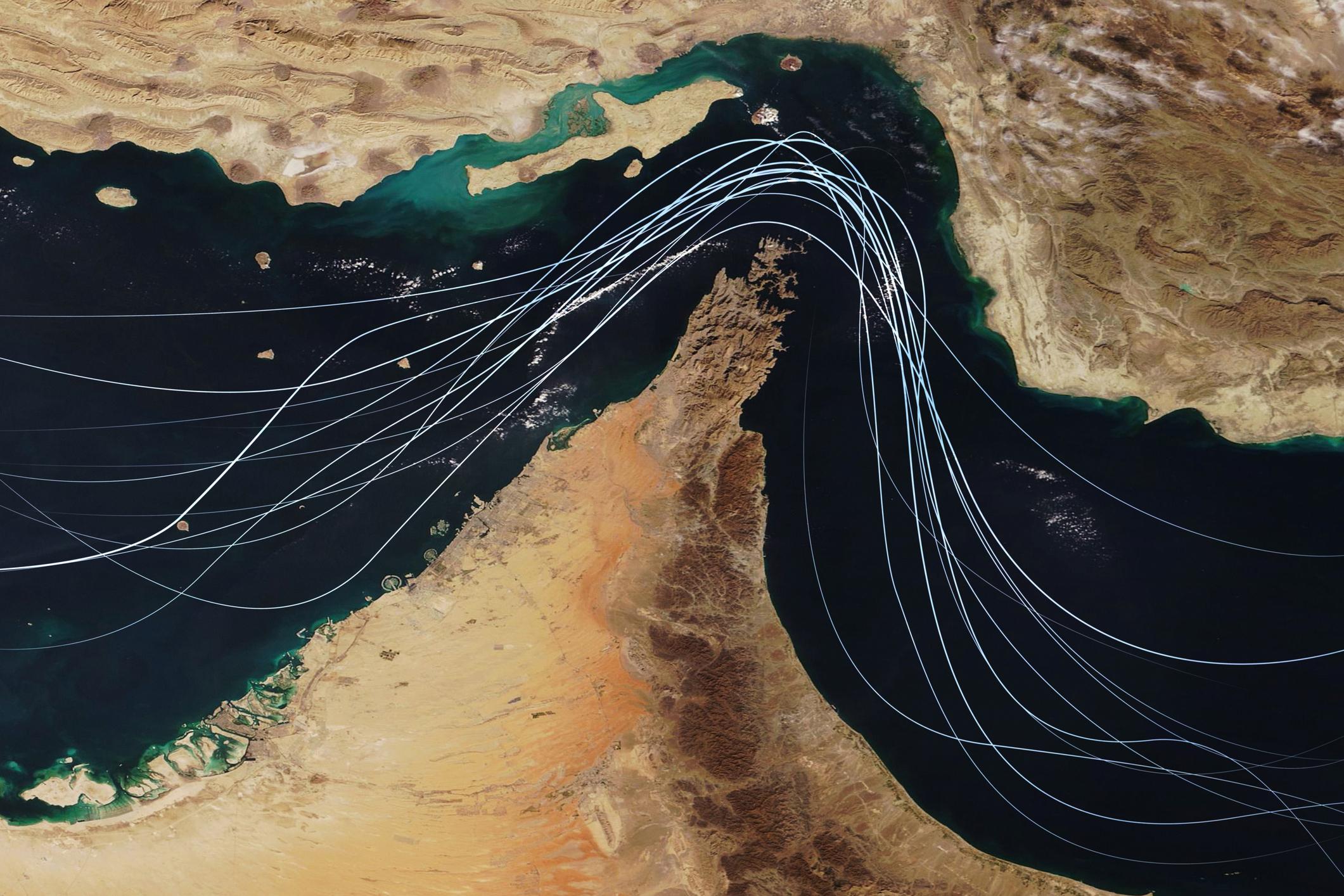
• Pause status: Strategic pause remains active until April 6 under ongoing negotiation framework.
• Security posture: Naval “defensive box” maintained for controlled Blue Corridor extractions.
• Navigation condition: GNSS integrity remains degraded (~5% reliability), reinforcing reliance on terrestrial radar and visual navigation.
4. Market Impact: Bunker Pressure and Registry Premium Risk
• Bunkers: Singapore VLSFO ~ $1,015/mt; Port Louis remains elevated near $1,650/mt due to Cape routing pressure.
• Insurance trend: Underwriters evaluating “registry-based surcharges” for Panama-flag vessels calling Chinese ports (~$15k–$25k per call).
• Cost structure: Administrative delay risk now embedded into voyage economics alongside fuel and war risk.
Strategic Summary (For Masters & Ship Managers)
• Execution: Panama-flag vessels should anticipate extended PSC scrutiny in China- ensure full compliance across statutory and operational records.
• Risk planning: Incorporate Dighi and Gopalpur into emergency response routing for IOR transits; these are now viable refuge points under defined protocols.
• Commercial: Treat flag registry as a strategic variable. Administrative exposure is now a direct operational risk alongside routing and security.
Operational/Market Status
CRITICAL RED – ADMINISTRATIVE RISK ACTIVE / REGISTRY EXPOSURE / VLSFO @ $1,015/mt
Sources
The Hindu / Reuters / Lloyd’s List Intelligence / APSEZ Media / FMC Briefing (March 30, 2026)
This update is part of the DeepDraft Live Wire series covering developing maritime operational situations.


Leave a Reply