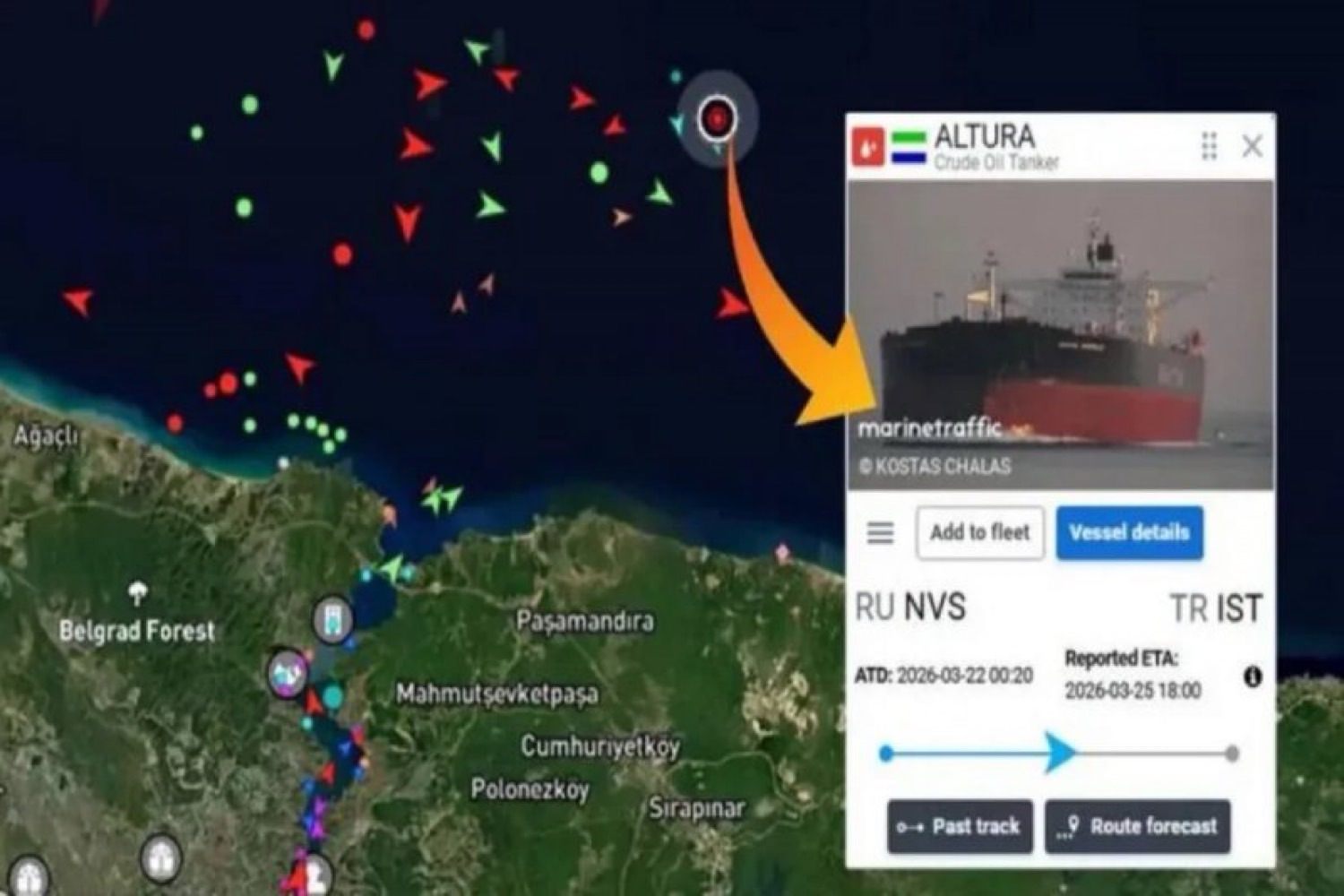
The global maritime network is entering a simultaneous stress phase across critical chokepoints. As the 24-hour countdown to the Hormuz ultimatum reaches expiry, a precision sea-drone strike on a shadow-fleet tanker near the Bosphorus signals expansion of kinetic risk into the Black Sea approaches. The next 24 hours define whether operations remain controlled or transition into multi-theatre disruption.
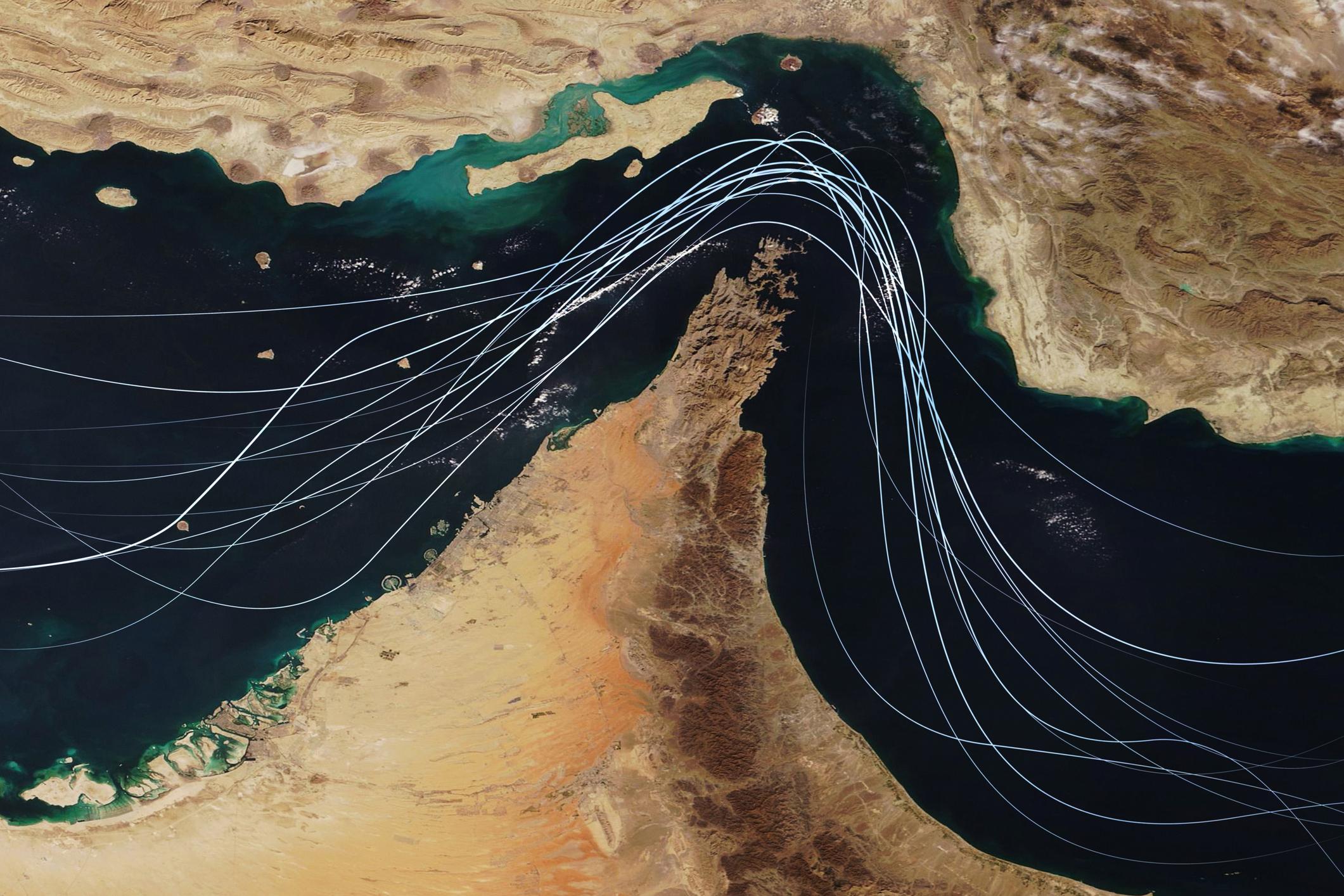
1. Hormuz Zero-Hour: Final 24-Hour Window
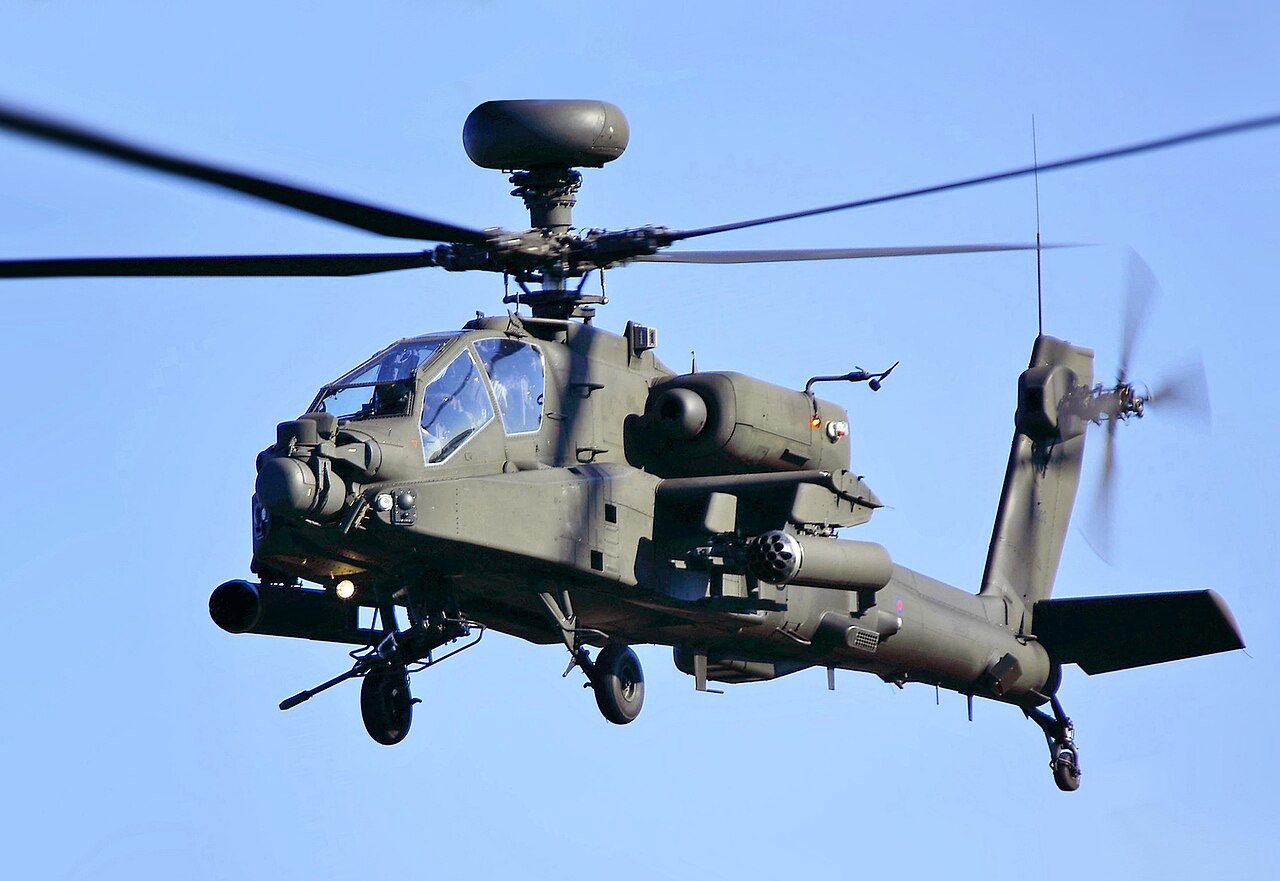
• Low-altitude overwatch: A-10C and AH-64 units are providing armed cover for ~15 high-vulnerability vessels moving under the Blue Corridor framework.
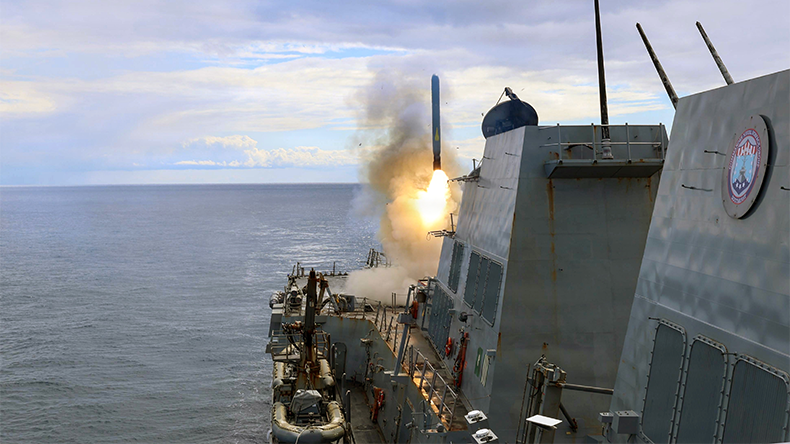
• Shore-based threat: ASCM batteries confirmed deployed at Qeshm Island; IRGC units shadowing convoy movements.
• Electronic environment: GNSS reliability degraded to <5% in the Northern Gulf; extraction group operating under electronic silence with radar and visual navigation.
2. Black Sea Escalation: Bosphorus Approach Strike
• Incident: Turkish-operated Suezmax Altura struck by USV ~18nm north of the Bosphorus; engine room targeted causing disablement.
• Cargo: ~1 million barrels of Urals crude from Novorossiysk.
• Operational impact: Turkish authorities have intensified entry screening, increasing waiting times for Bosphorus transit across all arriving tonnage.
3. War Risk Insurance: 10% Threshold Activation
• Hormuz premiums: One-way Gulf exits now quoted at ~10% of hull value.
• Black Sea spillover: Bosphorus waiting areas under reassessment following USV strike.
• Coverage limits: Shadow or uninsured transits increasingly excluded, shifting full liability to owners.
4. Bunkering and Regulatory Pressure
• Cape constraint: Port Louis VLSFO holding near $1,650/mt with restricted availability.
• ETS impact: 70% surrender threshold plus methane slip adding up to ~$180,000 per voyage for LNG-fueled tonnage on Cape routes.
Strategic Summary (For Masters & Ship Managers)
• Execution: West of Hormuz – do not initiate independent transit. Maintain dark transit readiness and await confirmed corridor clearance. In Black Sea approaches, increase detection focus for low-profile USVs within 50nm of Bosphorus entry.
• Commercial: Recalculate voyage economics using combined assumptions: 10% war risk, $1,650/mt VLSFO, and full ETS methane exposure. Initiate Force Majeure reviews for both Gulf and Black Sea fixtures.
Operational/Market Status
EXTREME RISK — MULTI-THEATRE ACTIVE / GNSS <5% / VLSFO @ $1,650/mt
Sources
The Hindu / Reuters / Lloyd’s List Intelligence / Turkish Ministry of Transport / UKMTO (March 27, 2026)
This update is part of the DeepDraft Live Wire series covering developing maritime operational situations.

Leave a Reply