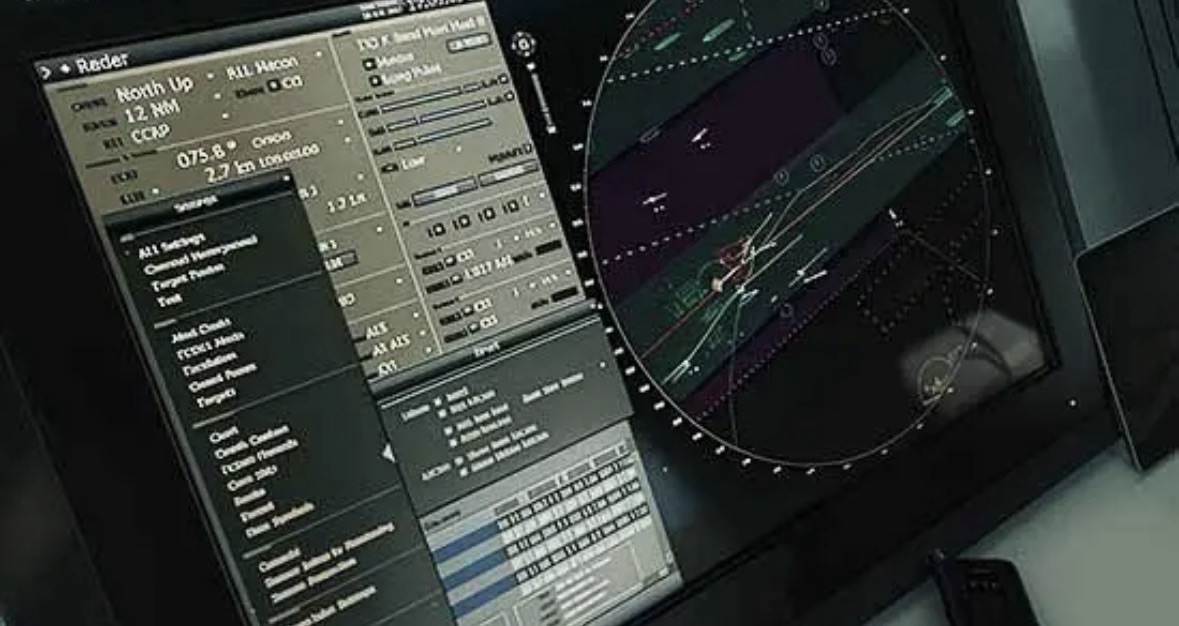
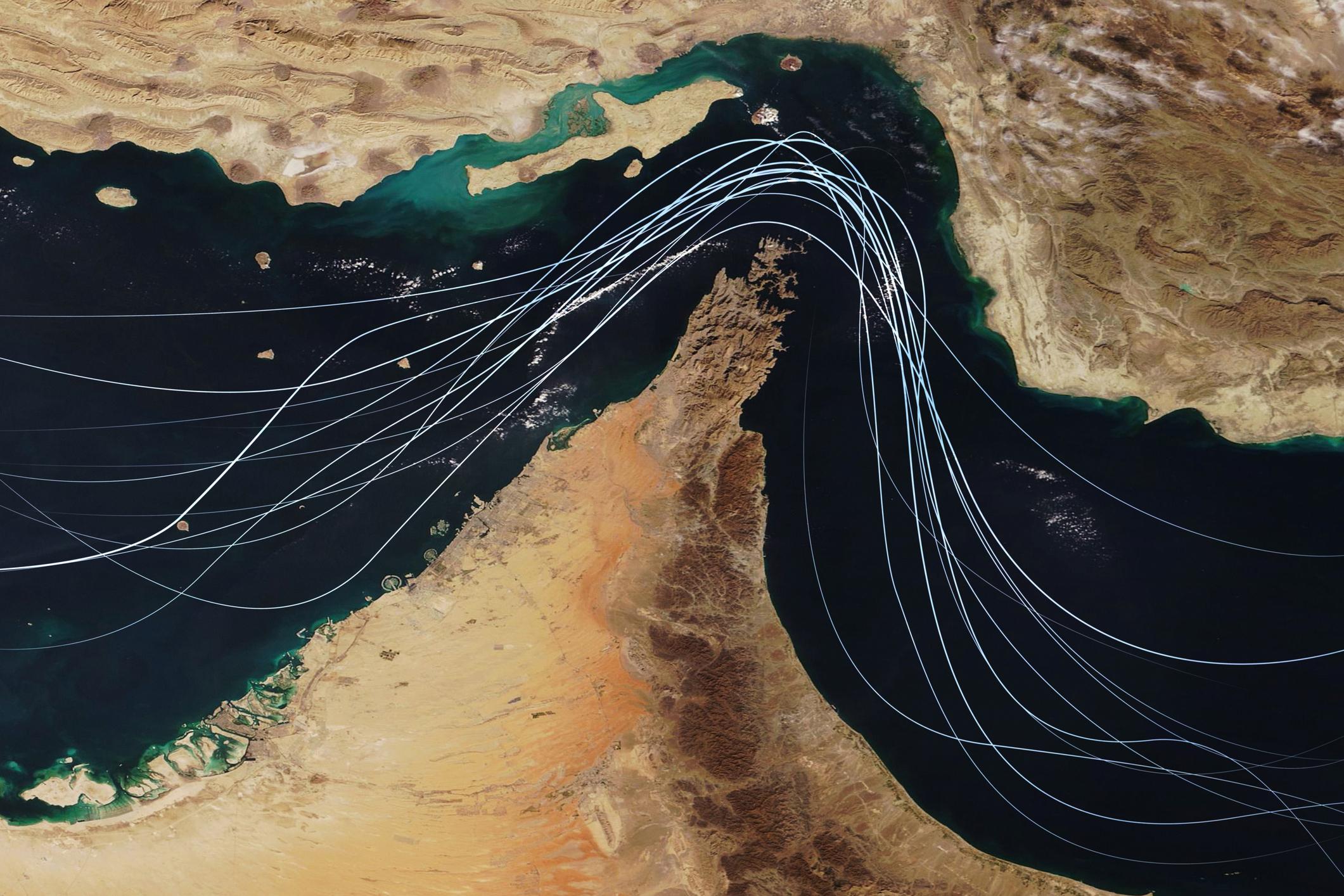
The maritime standoff remains in a high-risk holding phase as the five-day ultimatum approaches expiry on March 28. Despite the pause in U.S. strikes, IRGC messaging has escalated toward direct counter-infrastructure targeting across the region. With the IMO “Blue Corridor” technically operational but physically contested, vessel movement remains conditional under sustained electronic warfare and surface threat conditions.
1. The 100% EU ETS Liability Realization
• Full coverage active: 100% emissions liability now enforced (from 70% in 2025), materially increasing voyage cost exposure.
• Cape impact: Extended routing via the Cape of Good Hope has effectively tripled per-voyage carbon cost for Asia–Europe loops.
• Methane liability: Inclusion of CH₄ and N₂O adds ~$180,000 per voyage for LNG-fueled vessels under methane slip conditions.
2. IMO “Blue Corridor” and Analog-First Navigation
• Framework status: 5-mile-wide SMF corridor authorized for ~3,200 vessels west of the Strait.
• Execution gap: IRGC has not recognized the corridor; transit remains exposed within contested waters.
• Navigation condition: GNSS reliability degraded across the Northern Arabian Sea; IMO directing analog-first navigation.
• Bridge implication: Radar plotting, visual bearings, and terrestrial cross-checks now mandatory baseline.
3. Panama Balboa Transition and APMT Administration
• Administrative shift: Panama has installed APM Terminals as interim operator of Balboa and Cristobal following Hutchison’s $2B ICC claim.
• Congestion state: Atlantic-side terminals operating at ~115% yard density.
• Network spillover: COSCO/OOCL bypass continues, pushing backlog into secondary hubs across Mexico and Colombia.
4. SOLAS 2026: The “Code 30” Detention Surge
• Winch compliance: MSC.532(107) enforcement leading to immediate Code 30 detentions for non-compliant anchor handling systems.
• Inspection focus: PSC regimes prioritizing lifting appliances, loose gear certification, and five-year load test records.
• Operational risk: Non-compliance now directly affecting port turnaround and schedule integrity in EU and Singapore.
Strategic Summary (For Masters & Ship Managers)
• Execution: Treat Blue Corridor movement as conditional, do not proceed without confirmed de-confliction and clearance.
• Navigation: Disable non-essential GNSS-dependent automation; maintain continuous manual position verification.
• Commercial: Audit EU ETS exposure and methane slip reporting; factor Cape routing bunker delays (~6–8 days) into voyage planning.
Operational / Market Status
CRITICAL / INTERDICTION ACTIVE / STRATEGIC PAUSE DAY 3
Further Reading
Bridge discipline and manual navigation under degraded GNSS conditions: https://thedeepdraft.com/2026/03/23/standing-watch-vs-seated-bridge/
Sources
The Hindu / Reuters / Lloyd’s List Intelligence / Kpler / UKMTO / IMO Council Briefing (March 25, 2026)
This update is part of the DeepDraft Live Wire series covering developing maritime operational situations.

Leave a Reply