
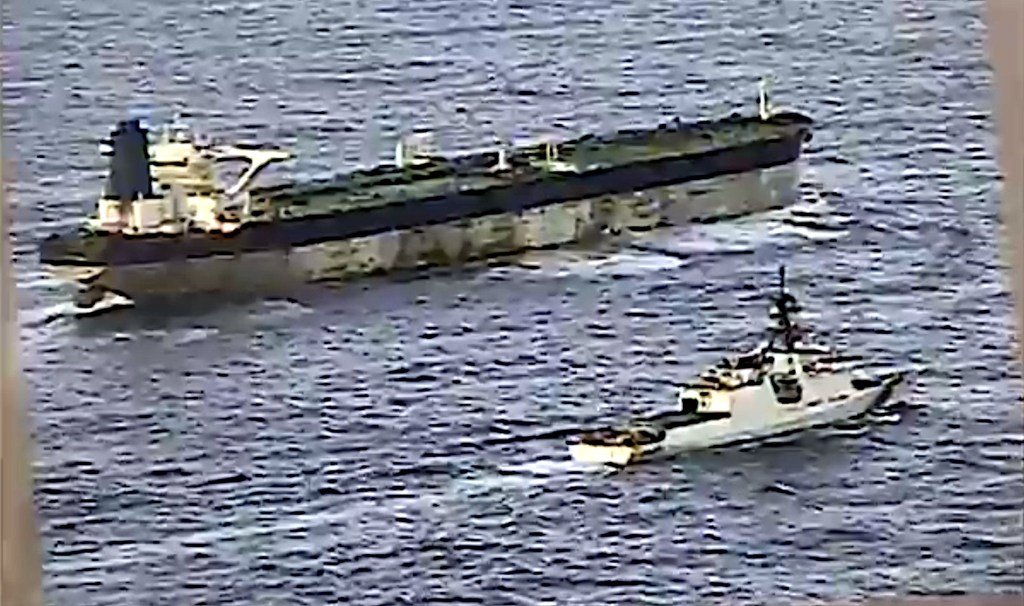
When U.S. forces seized the Russian-flagged oil tanker Marinera in the North Atlantic on 7 January 2026, attention quickly shifted from the vessel to the people on board, particularly reports that Indian nationals were among the crew.
Three Indian nationals were serving on Marinera at the time of the seizure. All three have now been released and cleared by U.S. authorities. There are no Indian crew members in custody.
The vessel’s crew also included nationals of other countries, including Russia. There has been no indication that any crew member, regardless of nationality, has been criminally detained in connection with the case.
The reason Indian crew members featured prominently in public reporting is procedural, not exceptional. Indian authorities formally engaged with U.S. officials on crew welfare immediately after the seizure. That engagement led to confirmation of their status and release, bringing visibility to the Indian nationals aboard.
The enforcement action itself was directed at Marinera under sanctions law, based on the vessel’s ownership, flag status, and alleged trading history. The tanker was not carrying cargo at the time of seizure. As is standard practice in maritime sanctions enforcement, crew welfare is handled separately from vessel liability unless specific criminal conduct is alleged against individuals.
For seafarers, the case follows a familiar pattern. Ships may be detained or seized as legal assets, while crews are released once identity checks and welfare obligations are addressed. The legal process concerning the vessel continues independently.
The Marinera remains subject to ongoing legal proceedings under U.S. sanctions law. The release of crew members does not alter the vessel’s legal status or eventual disposition.
 The Deep Draft
Leave a comment