
“It started like a game. Then it asked me things I’d never want my employer to know.”
During one of my audits, one seafarer described his experience with a “crew wellness” app that has quietly spread through parts of the maritime industry.
What began as routine questions soon probed into moods, stress, even family life. On paper it was “optional.” In practice, crew members report feeling monitored. Across the shipping world, mental health has become the new frontier and the new business.
From Welfare to Market
For centuries, the mental health of seafarers was ignored. Long contracts, loneliness, and the stress of responsibility were considered “part of the job.” Talking about stress carried stigma, and support was almost non-existent.
Now, the tide has turned. Wellness is trendy with apps, training workshops, online courses, and even pre-joining psychological forms are marketed as solutions. Companies showcase them as proof of care, while vendors pitch them as safety tools.
But there’s a darker side. What looks like care often feels like surveillance. What sounds like support often turns into commerce.
The App Boom
Several organizations have launched “well-being apps” tailored to seafarers. They start simple with fitness tips, resilience exercises, gamified quizzes.
But as the interaction deepens, the questions get more personal. Crew members are asked about sleep, emotional triggers, or family stress. Once entered, data may be shared or analysed in ways seafarers do not expect.
To push participation, apps use scoring points, badges, levels. Many crew, especially younger ones, treat it like a game. Unwittingly, they barter private behavioural data for virtual rewards and these scores can subtly influence employability or promotion decisions.
One such app, whispered about by crews, begins playfully before shifting into probing psychological surveys.
Independent studies confirm the risk, mental-health apps are prone to privacy flaws, insecure storage, and third-party data sharing. What’s presented as “support” can quickly resemble corporate oversight.
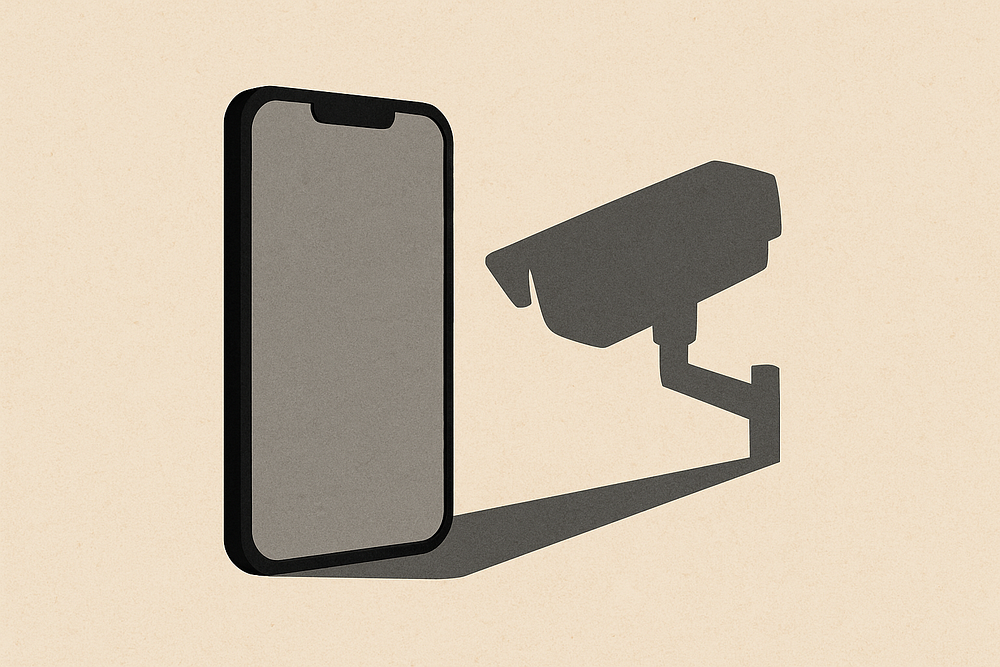
Few vendors publish reassuring privacy statements and they claim the app “safeguards confidentiality,” that data “will not be shared with management,” and that only “minimum access privileges” are used. The reality is far broader. Mental-health information today is collected not just through apps, but also through Excel files, Visual Basic forms, online surveys, clinic-generated checklists, and hand-filled DG Shipping medical sheets, many of which the seafarer never sees again and cannot retrieve. A handwritten checklist at a clinic can expose sensitive data just as easily as an untested digital tool. Yet across all these formats, independent cybersecurity audits are rare, GDPR compliance is inconsistent, and robust certifications or third-party penetration testing are largely absent. Few systems have transparent data-retention rules or any external oversight. Even when “explicit consent” is mentioned, the power imbalance between employer and crew makes that consent questionable. Without verified audits, clear data-flow accountability, or enforceable safeguards, a privacy statement becomes less a protection and more a marketing brochure.
Workshops, Deals, and Checkboxes
Beyond apps and workshops, some companies use psychometric profiling in hiring and promotions. Emotional stability or stress-response scores can influence employability, transforming mental health into a performance filter rather than genuine support. Meanwhile, training consultancies push ‘mental health certifications’ and ‘well-being workshops,’ often marketed to tick compliance boxes and corporate audits with limited measurable impact on actual welfare.
The DG Shipping Mandate
The trend has gone further. In 2024, DG Shipping amended the Merchant Shipping (Medical Examination) Rules to include mental health in pre-joining medicals.
Seafarers must now undergo psychometric tests, disclose psychiatric history, and submit to detailed questioning about substance use or past suicide attempts.
On paper, the purpose is safety. In practice, it poses alarming concerns.
- Who sees this sensitive data?
- Could it affect career progression?
- How “voluntary” is disclosure when your livelihood depends on it?
One officer summed it up bluntly: “This is just bureaucracy dressed up as therapy.”
Privacy protections vary sharply by region. In Europe, GDPR gives crews strong rights on paper, though many say they were never told how their data would be used. Most large merchant marine fleets are managed from Asia, where safeguards are patchy. India’s new law remains vague, Japan’s enforcement is weak, and in places like the Philippines or China, once data is given up, it’s essentially gone.
Under GDPR, mental health is considered ‘special category’ data requiring explicit consent, yet enforcement at sea is weak. Similarly, MLC 2006 guarantees fair treatment and privacy, but many seafarers remain unaware of these protections.

Care Turns Into Control
At sea, the danger isn’t only isolation or burnout, it’s when “support” becomes surveillance.
One officer recalled – “I shared my diagnosis in confidence… later my crewing manager held a paper listing me as depressed.” What was private had leaked into management reports.
Another candidly said – “The issue isn’t stigma. It’s credentials… people avoid help because they fear losing contracts.”
These fears aren’t paranoia. Studies confirm that seafarers routinely avoid seeking support, worried it may jeopardize jobs or certification. During COVID-19, poor communication and heavy monitoring only deepened mistrust. Research also links long hours, bullying, and homesickness with high rates of depression and burnout.
As George Orwell warned in 1984, surveillance often begins with the promise of protection. At sea, “well-being” risks playing a similar role, cloaked as care but edging into control.
Studies Confirm the Suspicion
- Seafarers routinely avoid seeking help, fearing it may compromise their professional standing. Seafarer TimesVirtue Marine
- During COVID-19, broken communication and increased workplace monitoring heightened this mistrust. PubMedBioMed Central
- Psychosocial reviews link stressors like long hours, bullying, homesickness, and poor management to high rates of depression and burnout among crew. PubMedBioMed CentralBioMed Central
Digital Stress: A New Burden
Ironically, the tools meant to improve welfare can create stress themselves.
Experts warn of “technostress”, an anxiety of constant check-ins, digital monitoring, and mandatory apps. Older crew often feel left behind by tech-heavy systems. Instead of inclusion, digital welfare can breed alienation.
What Real Care Looks Like
If the industry truly wants to support its people, it needs a reset. That means:
Voluntary support. Seafarers should never be coerced into app downloads or mandatory mental forms.
Privacy first. Employers should see only fitness outcomes, never raw psychiatric data.
Accountability. Regulators must publish and enforce strict data-use rules.
Crew-driven solutions. Listen to seafarers: they want confidential helplines, shore counseling, and peer support, not dashboards.
The Bigger Question
Seafarers keep global trade alive. They deserve support that is authentic, not another business model. Right now, too much of what’s offered is less about healing and more about harvesting data, metrics, and contracts.
In Orwell’s 1984, surveillance was justified in the name of safety and order, yet it stripped people of privacy, trust, and individuality. Seafarers now face a softer version of the same dilemma: tools that promise care but quietly collect control.
Mental health is not a business model, it is a moral imperative. Unless the industry prioritises trust and confidentiality over data harvesting, support will remain surveillance dressed as care.
Academic & Medical Research
Key studies documenting prevalence, risk factors, and psychological impact on seafarers
- Lefkowitz, R., & Slade, M. (2019). Depression and anxiety prevalence among seafarers. International Maritime Health.
- Baygi, F., et al. (2021). Mental health of seafarers during the COVID-19 pandemic. BMC Psychiatry.
- Brooks, S. K., & Greenberg, N. (2022). Mental health and wellbeing of seafarers in the context of COVID-19. Occupational Medicine.
- Pauksztat, B., et al. (2022). Impact of the pandemic on seafarers’ mental health and work experiences. Maritime Policy & Management.
- Huckvale, K., Torous, J., & Larsen, M. E. (2019). Data sharing and privacy practices of mental health apps. JAMA Network Open.
Regulatory & Legal Frameworks
Key policies and conventions shaping privacy, data protection, and welfare standards for seafarers
- Directorate General of Shipping (India). (2024). Merchant Shipping (Medical Examination) Amendment Rules.
- European Commission. (2018). General Data Protection Regulation (GDPR).
- International Labour Organization. (2006). Maritime Labour Convention (MLC 2006).
Industry & Policy Analyses
Reports and analyses examining digitalisation, privacy risks, and welfare trends in shipping
- Brookings Institution. (2022). Why Mental Health Apps Need to Take Privacy More Seriously.
- Cybersecurity CRC. (2021). Mental Health Apps: Privacy Risks.
- SafeMetrix. (2019). Psychology Behind Good Performance On Board.
- Mintra Group. (2025). Psychometric Assessments for Seafarers.
- Safety4Sea. (2023–2024). Analyses of digital seafarer welfare tools.
- Maritime Executive. (2022–2024). Digitalisation, technostress, and welfare in shipping.
 The Deep Draft
Leave a comment