A Rulebook That’s Simple on Paper
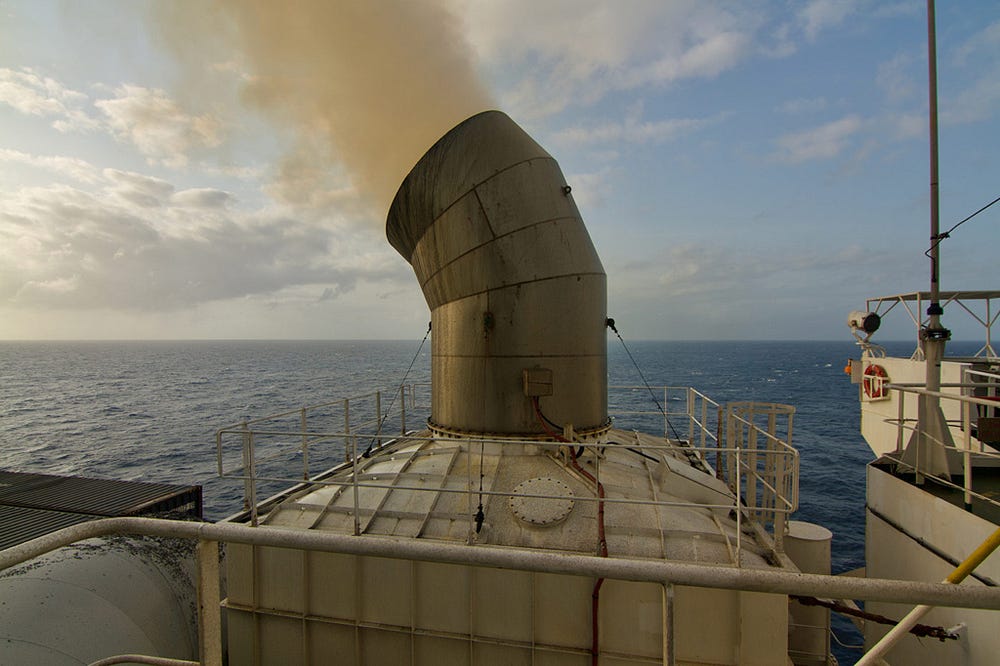
Under MARPOL Annex VI, the sulphur oxide (SOx) limit for ships operating outside Emission Control Areas is 0.50% m/m. Many vessels have met this requirement by installing Exhaust Gas Cleaning Systems (EGCS). An expensive, complex machinery designed to allow continued use of high sulphur fuel oil (HSFO) while remaining compliant.
On paper, it sounds straightforward: fit an EGCS, burn HSFO, stay within limits. At sea, the reality is far more complicated.
Local Rules, Global Confusion
The difficulties begin when local port regulations override IMO allowances. In Fujairah and Oman, EGCS use is prohibited, forcing ships to change to VLSFO or MGO well before arrival. In Oman, proximity to territorial borders means switching even earlier. Inside the Persian Gulf, EGCS operation and washwater discharge are permitted, until the next port when the process repeats.
The Engineer’s Burden
I am not an engineer, but in layman’s terms, fuel changeover is far from a simple switch. It involves isolating and re-routing fuel line-up, gradually adjusting fuel temperatures to avoid thermal shock, monitoring and fine-tuning purifier performance, and ensuring fuel compatibility to prevent asphaltene precipitation or filter clogging.
During these transitions, the risk of fuel pump seal leakage is ever-present, particularly when viscosity and lubrication properties change abruptly. A drop in viscosity during changeover can reduce the hydrodynamic film in pump plungers and seals, accelerating wear and increasing the likelihood of leaks. All of this is done under strict time constraints, with every step documented for compliance. Each operation adds workload and increases the potential for machinery damage or regulatory non-conformance.
Decisions Made from Shore
From the bridge, the logic of these restrictions often appears inconsistent. Ports in open waters ban EGCS discharge, yet enclosed waters allow it. Too often, such regulations are introduced without transparent scientific studies or operational impact assessments. Some are decided by authorities with limited maritime operational experience, leading to rules that may satisfy political optics but impose disproportionate technical and safety burdens on ships.
A Structural Problem at the Core
The larger issue is systemic. The IMO cannot compel oil majors and terminals to supply one global standard of compliant fuel. Instead of addressing this upstream challenge, enforcement targets ships, the easier link to regulate. The result is costly hardware installed on board, but only partial permission to use it.
The Real-World Consequences
- Financial Inefficiency: HSFO–VLSFO price advantage disappears where bans exist.
- Science vs Politics: Many bans lack published local environmental data.
- Crew Fatigue & Human Error: More changeovers mean higher risk of mistakes or machinery issues.
- No Unified Enforcement: What’s compliant in one port may be penalised in the next.
The Question That Won’t Go Away
Where is the environmental gain? Frequent fuel switching, additional CO₂ from extra operations, and politically driven bans without scientific backing risk undermining MARPOL’s intent. Until there is a single global standard for both fuel supply and EGCS acceptance, the industry will keep pouring money into systems it is not always allowed to use, forcing crews into unnecessary risks and inefficiencies. The current regime may tick the compliance box, but it leaves ships, seafarers, and ironically the environment short-changed.
 The Deep Draft
Leave a comment