Dear readers, in-spite of being experienced and aware of all rules and regulations, distraction is an invisible enemy. The following case study will make you aware how relaxed approach mingled with distraction can have severe consequences.
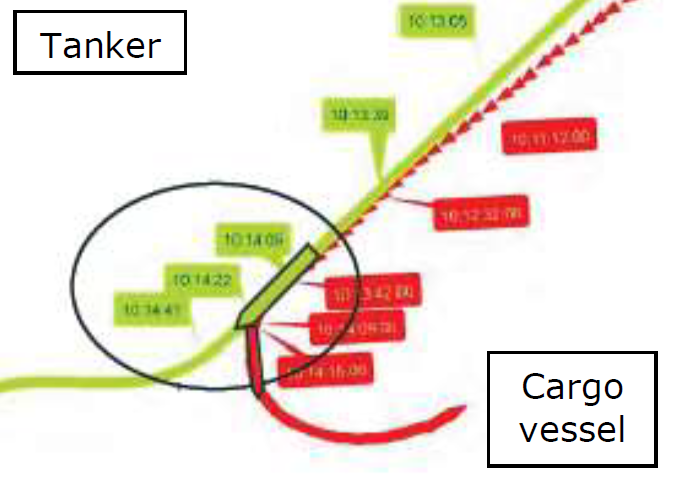
A collision occurred in restricted visibility of less than 2 NM between a tanker and cargo vessel while they were proceeding in the same direction in the TSS of the English Channel. There were no injuries or pollution but both vessels suffered structural damages. The cargo vessel was overtaking the tanker which according to the rules is required to keep clear. The tanker also had an obligation to take avoiding action when the action by the other vessel is not sufficient to prevent a collision. However neither vessel took sufficient action which resulted in the collision.In the run up to the collision, the Master of the cargo vessel was engaged in a conversation with a couple of supernumeraries who were on the bridge and also with the 2nd officer with regards to the bonded stores order. The master was distracted and forgot about the target (tanker)which he had acquired on the Radar. On the tanker the watch keeping officer was alone on the bridge. He monitored the cargo vessel until she was 3 NM astern. Having identified it was overtaking, he assumed it would keep clear. He was fixing manually and plotting positions on the paper chart. The area being transited required frequent positions to be plotted. This distracted him from keeping an effective look out and monitoring the risk of collision from the cargo vessel.
Why it happened
Officer of the watch on both vessels were distracted from their primary navigational duty of keeping effective lookout.
Neither vessel had a lookout even though the visibility was restricted to less than 2 NM and their SMS required to have a lookout.
Navigation team on both vessels was relaxed after the vessel had passed Dover straits earlier.
 The Deep Draft
Leave a comment